Dip Exercise Equipment Explained: What to Know Before Buying
If you are trying to build serious upper body strength at home, you have probably realized that bench presses and push-ups only take you so far. Hitting a plateau in your chest and triceps development is a common frustration, especially when you do not have the floor space for massive cable crossovers or selectorized machines.
Enter the humble dip. To execute this foundational bodyweight movement safely and effectively, investing in dedicated dip exercise equipment is a game-changer. But with countless standalone towers, wall-mounted bars, and rack attachments flooding the market, deciding which piece fits your specific space and training style can be overwhelming. Let's break down exactly what you need to look for before pulling the trigger.
Key Takeaways
- Space efficiency: Rack attachments save the most floor space, while standalone towers require a dedicated 3x4-foot footprint.
- Weight capacity matters: Always look for a minimum 300-pound weight rating to safely accommodate weighted dips.
- Grip width: Angled handles are ideal as they accommodate different shoulder widths and target variations (chest versus triceps).
- Stability is key: Heavy-gauge steel construction prevents the dangerous wobble common in budget-tier models.
Choosing the Right Dip Gym Equipment
Not all dip gym equipment is created equal. Your choice should dictate your available floor space, budget, and whether you already own a power rack.
Standalone Dip Stations
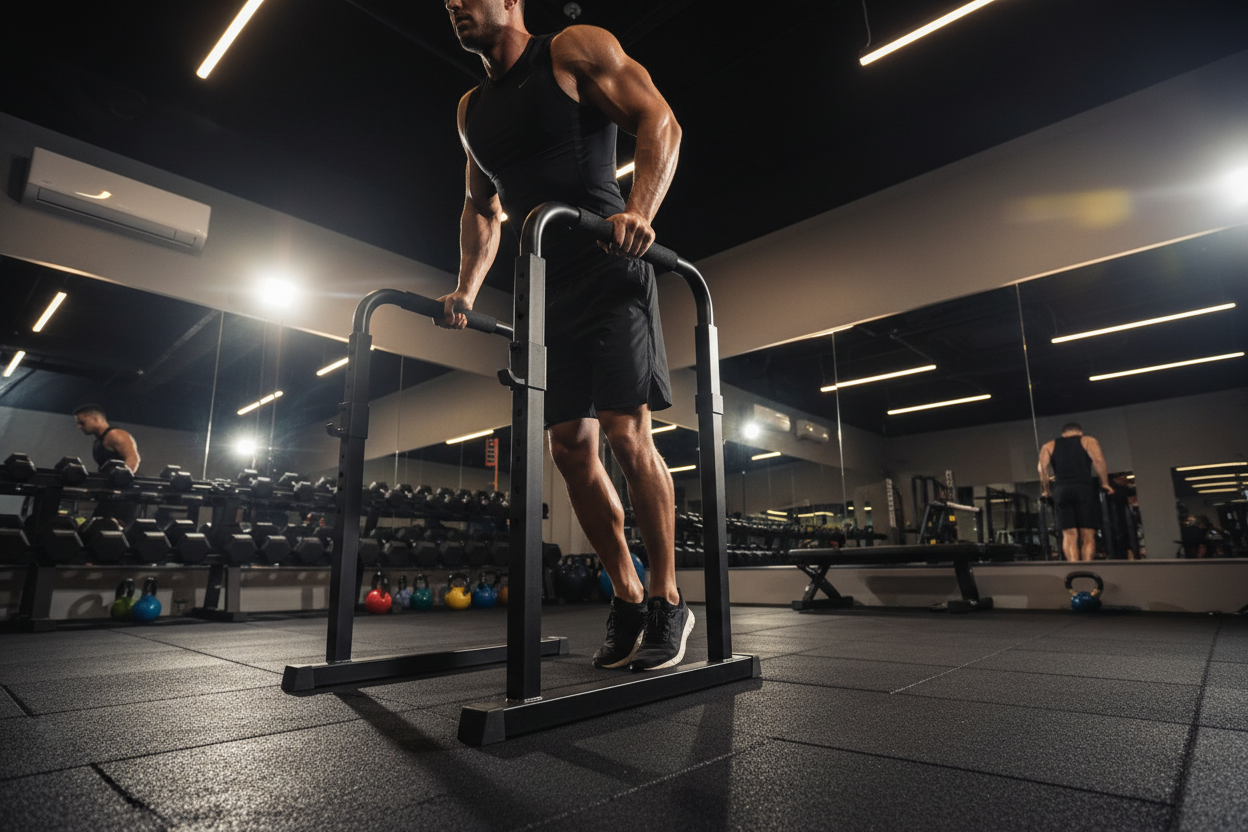
Often referred to as dip stands or power towers, these are independent units. They are fantastic if you have a dedicated workout space like a two-car garage. Look for a wide, flared base to prevent tipping during explosive reps. The downside? They eat up valuable square footage and can be difficult to move around.
Power Rack Attachments
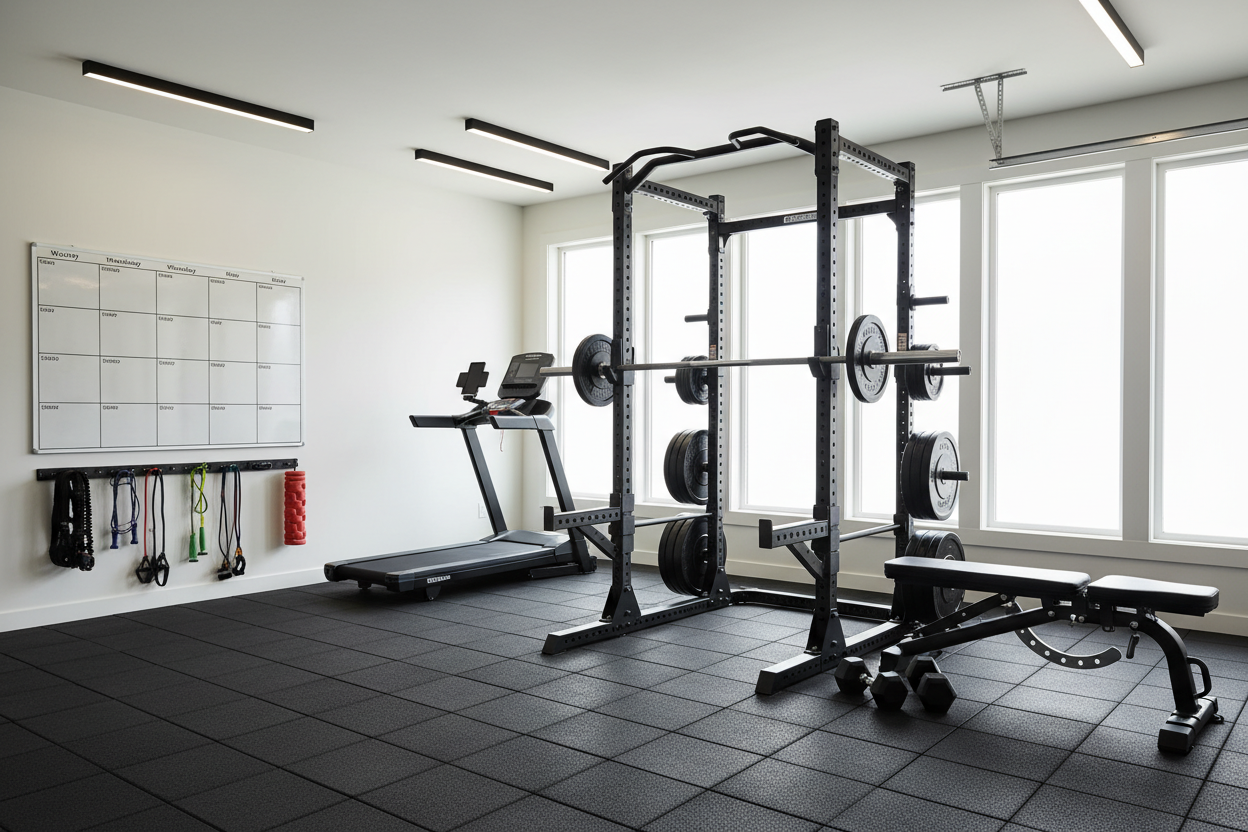
If you already own a squat rack, a dip attachment (like a Matador or Y-dip bar) is usually the smartest investment. They slide into the uprights of your rack, utilizing the rack's massive weight to provide unparalleled stability. Plus, they can be tossed in a corner or hung on a wall when not in use, making them perfect for tight basement setups.
Space Planning for Your Setup
Ceiling and Floor Clearance
A common mistake home gym owners make is forgetting about vertical space. While the dip exercise equipment itself might only be 4 to 5 feet tall, your head and torso will extend well above it at the top of the movement. If you are setting up in a basement with low 7-foot ceilings, ensure you have at least 18 to 24 inches of clearance above the handles. For floor space, standalone units generally require a minimum 3-foot by 4-foot operating zone so you do not kick the wall during your descent.
Training Application: Maximizing Your Gains
Chest vs. Triceps Targeting
The beauty of this apparatus is its versatility. To target the lower chest, you want a wider grip, a forward lean, and flared elbows. To isolate the triceps, keep your torso completely upright, tuck your elbows tight to your ribs, and use a narrower grip. Equipment with V-shaped (angled) handles allows you to seamlessly transition between these two widths simply by shifting your hand placement forward or backward.
From Our Gym: Honest Take
Over the last four years, I have tested dozens of dip setups in my own garage gym. At 210 pounds, plus strapping on a 45-pound plate for weighted reps, I am highly critical of stability. I initially bought a budget standalone tower, and the side-to-side sway was incredibly distracting—it actually caused elbow pain because my joints were fighting to stabilize the wobbly frame.
Switching to a heavy-duty 3x3 rack attachment with a locking pin completely eliminated the wobble. The powder-coated finish on the handles also provided a much more secure grip when my hands got sweaty compared to cheap rubber grips. The only minor con? I have to strip my barbell and move it out of the way to attach the dip bar to my rack. It is a slight workflow interruption, but a trade-off I gladly accept for commercial-grade stability.
Frequently Asked Questions
Is dip exercise equipment worth it for a home gym?
Absolutely. Dips are widely considered the upper-body squat. Having a dedicated station allows you to safely perform both bodyweight and heavy weighted dips, which are essential for building mass in the chest, shoulders, and triceps without needing multiple expensive machines.
What is a safe weight limit for a dip station?
For most home gym users, a minimum weight capacity of 300 pounds is recommended. However, if you plan to do heavy weighted dips, look for commercial-grade steel (11-gauge) with a rating of 500 pounds or more to ensure zero structural flex.
Can beginners use this equipment?
Yes, but full bodyweight dips can be challenging at first. Beginners can use resistance bands looped around the handles and under their knees to provide upward assistance, gradually reducing the band tension as their pushing strength improves.