Different Kinds of Weights for Lifting at Home
When you start building a workout routine, exploring the different kinds of weights for lifting is one of the most effective ways to clarify your training path. Stepping into a fitness facility or browsing equipment catalogs often leads to the question: what are the different types of weights available today? From simple handheld implements to complex selectorized rigs, the sheer variety can feel overwhelming without a clear breakdown. Understanding the different kinds of weights for lifting helps you select the right tools for your space, budget, and fitness goals.
Resistance equipment generally falls into three broad categories: traditional free weights, selectorized pin-loaded stations, and functional conditioning gear. Each style challenges your muscles in distinct ways. By learning how different types of weights to lift affect movement mechanics, you can design a balanced program that supports muscle development, functional mobility, and long-term joint comfort. Moreover, knowing the different kinds of weights for lifting allows you to plan your workout area and choose appropriate equipment storage before bringing heavy metal into the house.
Different Kinds of Weights for Lifting: An Overview
The world of resistance training relies on progressive overload, which simply means challenging muscles against external loads over time. When lifters research the different kinds of weights for lifting, they quickly encounter two primary formats: free implements and guided machines. Free equipment requires you to stabilize the load along an open path, recruiting stabilizing muscles throughout the torso and limbs. In contrast, machines guide movement along a fixed track, isolating targeted muscle groups with controlled paths.
Choosing among the different kinds of weights for lifting depends largely on your training goals and training environment. Beginners often start with compact implements to learn basic movement patterns before progressing to complex barbell routines. Advanced lifters frequently blend multiple load styles, using heavy bars for raw force and specialized implements for rotational power. Recognizing what are the different types of weights and how they complement one another gives you the freedom to build a routine that stays engaging and versatile week after week.
Free Weights: Dumbbells, Barbells, and Kettlebells
Among all the different kinds of weights for lifting, classic free weights remain the foundational equipment for progressive strength training. They allow unrestricted movement across multiple planes, making them staple choices for both home training and commercial facilities. The core triad of free equipment includes dumbbells, barbells, and kettlebells.
How do dumbbells differ from barbells and kettlebells?
Dumbbells differ from barbells and kettlebells primarily in their independent two-handed loading, handle placement, and center of mass. While an Olympic barbell requires both hands on a single rigid shaft, dumbbells let each arm move independently, helping you identify and correct side-to-side strength imbalances. Lifters utilize dumbbells for balanced upper-body presses, walking lunges, and targeted isolation exercises like biceps curls and lateral raises. Many home exercisers invest in adjustable dumbbells, which replace entire racks of fixed bells by utilizing dial, pin, or twist-lock mechanisms to shift weight quickly within a single compact footprint.
Barbells, on the other hand, support heavier loading for foundational compound exercises such as the squat, bench press, and deadlift. A standard Olympic barbell features rotating sleeves that reduce rotational inertia on your wrists during explosive movements. Alongside barbells, kettlebells feature an off-center ball with an overhead handle. This unique shape shifts the center of gravity away from the hand, making kettlebells ideal for dynamic swings, cleans, and snatches. Exploring these different types of weights to lift ensures that your body experiences both bilateral stability and dynamic unilateral challenges.
Weight Plates and Common Names of Weights in the Gym
Understanding equipment requires learning the common names of weights in the gym. When you walk onto a training floor, you will see a wide array of circular discs and numbered rectangular blocks. These components make up the core loading systems for modern strength equipment.
What are the common names of weights in the gym?
The most common names of weights in the gym include cast iron weight plates, bumper plates, selectorized weight stacks, and standard fixed barbells. Circular discs known as weight plates slide onto the sleeves of bars or plate-loaded stations. Traditional plates consist of cast iron or machined steel, whereas bumper plates are made of dense solid rubber designed to withstand being dropped from overhead during Olympic lifts without damaging the equipment. Bumper discs maintain a consistent outer diameter across different increments, ensuring the barbell rests at a uniform height from the platform.
Beyond round discs, selectorized gym machines utilize integrated weight stacks. These rectangular plates travel along vertical guide rods and connect to pulleys, allowing you to select your desired resistance by inserting a magnetic pin into the chosen plate. If you prefer machine-based movements or want guided tracks for your home facility, browsing a selection of weight lifting machines can help you compare selectorized systems with plate-loaded levers. Knowing the standard names of weights in the gym makes following training programs, reading equipment manuals, and communicating with gym staff straightforward and intuitive.
Specialized Resistance Gear and Alternative Free Weights
Beyond standard bars and plates, the category of different kinds of weights for lifting includes functional training implements. These tools challenge your grip, core endurance, and conditioning by introducing shifting centers of mass and high-velocity movements.
- Medicine Balls: Often built with leather, vinyl, or dense synthetic shells, medicine balls are primarily used for partner tosses, rotational core throws, and explosive conditioning drills.
- Slam Balls: Constructed with thick, textured rubber shells filled with sand, slam balls absorb high-energy floor impacts without rebounding, making them great for overhead slams.
- Sandbags and Strongman Implements: Heavy canvas bags filled with loose sand force your body to constantly adjust to shifting internal contents, building practical grip and trunk strength.
- Cable Machines and Attachments: While not loose free implements, cable machines utilize weight stacks or plate posts connected to steel cables, delivering continuous tension throughout full joint ranges.
Integrating these tools into your weekly routine provides refreshing variety alongside standard different kinds of weights for lifting. They bridge the gap between pure raw force generation and high-intensity metabolic conditioning.
Matching Weight Types to Your Training Style and Goals
Selecting from the different kinds of weights for lifting should align directly with your chosen programming style. Different training philosophies prioritize different equipment formats to produce specific adaptations:
- Powerlifting and Strength: Focuses heavily on the Olympic barbell and iron weight plates to maximize loading on major compound movements like the squat and deadlift.
- Olympic Weightlifting: Prioritizes bumper plates and specialized bars to execute dynamic full-body lifts, accommodating different kinds of lifts for weightlifting like the snatch and clean-and-jerk.
- General Fitness and Bodybuilding: Combines adjustable dumbbells, weight stacks, and cable machines to blend multi-joint foundational work with targeted isolation exercises.
- Functional Conditioning: Relies on kettlebells, slam balls, and functional carries to develop sustained stamina and multi-directional stability.
When organizing your weekly routine around these different types of weights to lift, planning your workout timing and training split is just as critical as equipment choice. For practical strategies on setting a regular schedule around your strength sessions, check out this guide on the best time of day to lift weights. Choosing the right equipment for your goals ensures you remain motivated, injury-free, and consistent across every training phase.
Protecting Your Floors and Setting Up Weights at Home
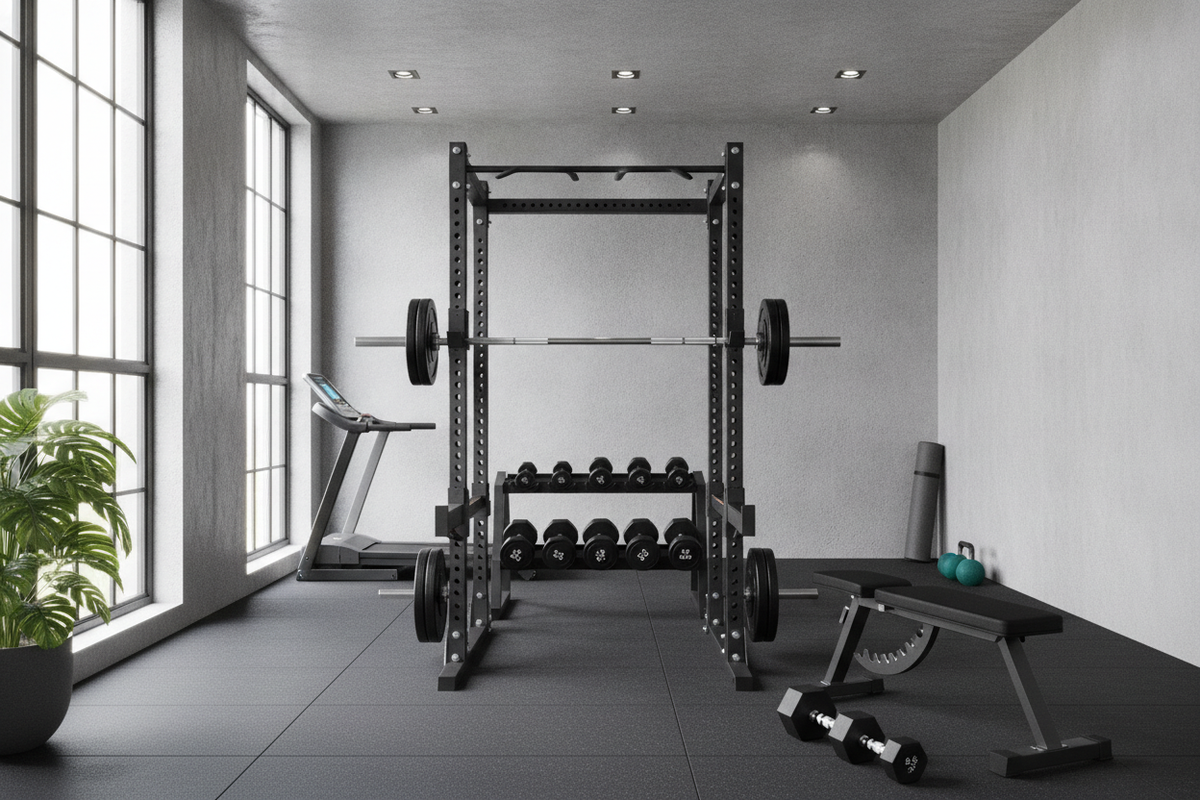
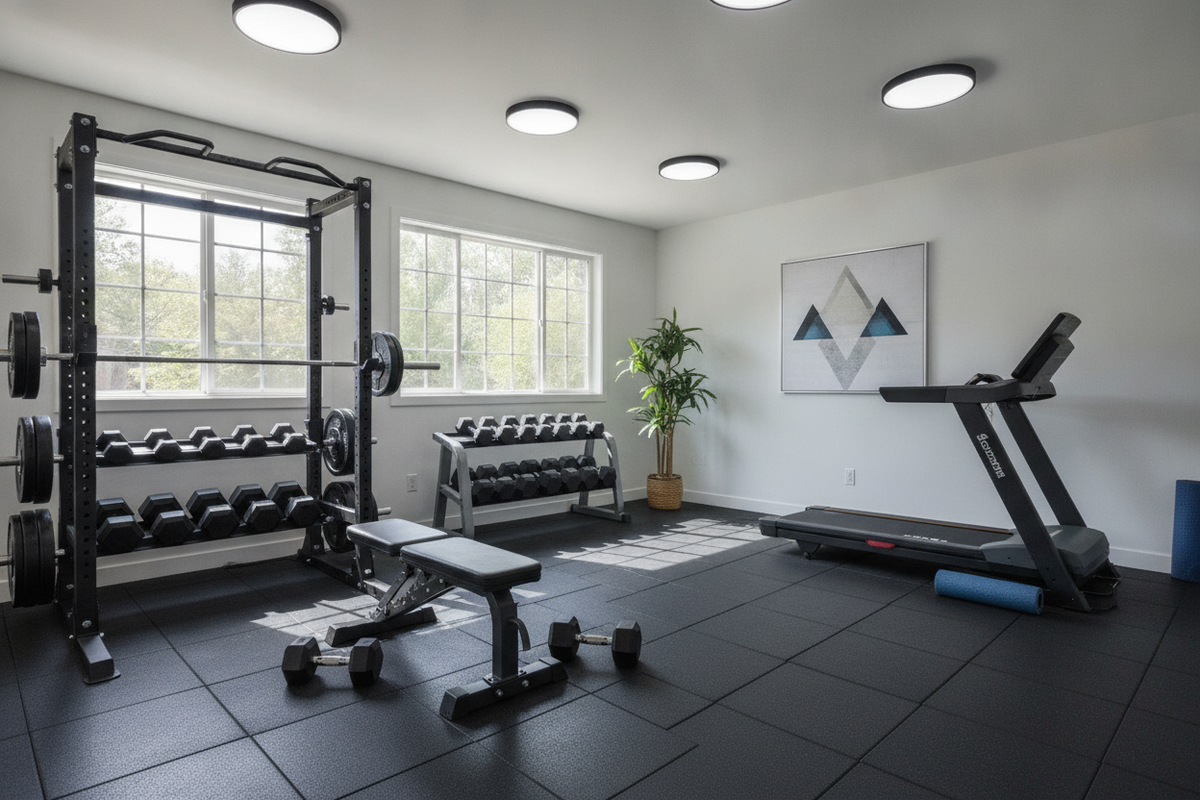
Setting up an effective home gym setup requires thoughtful spatial planning, especially when dealing with heavy free weights and loaded iron. Laying heavy iron directly on residential flooring can crack tiles, dent hardwood, and crumble foundational concrete.
How do you protect your floor when using heavy weights at home?
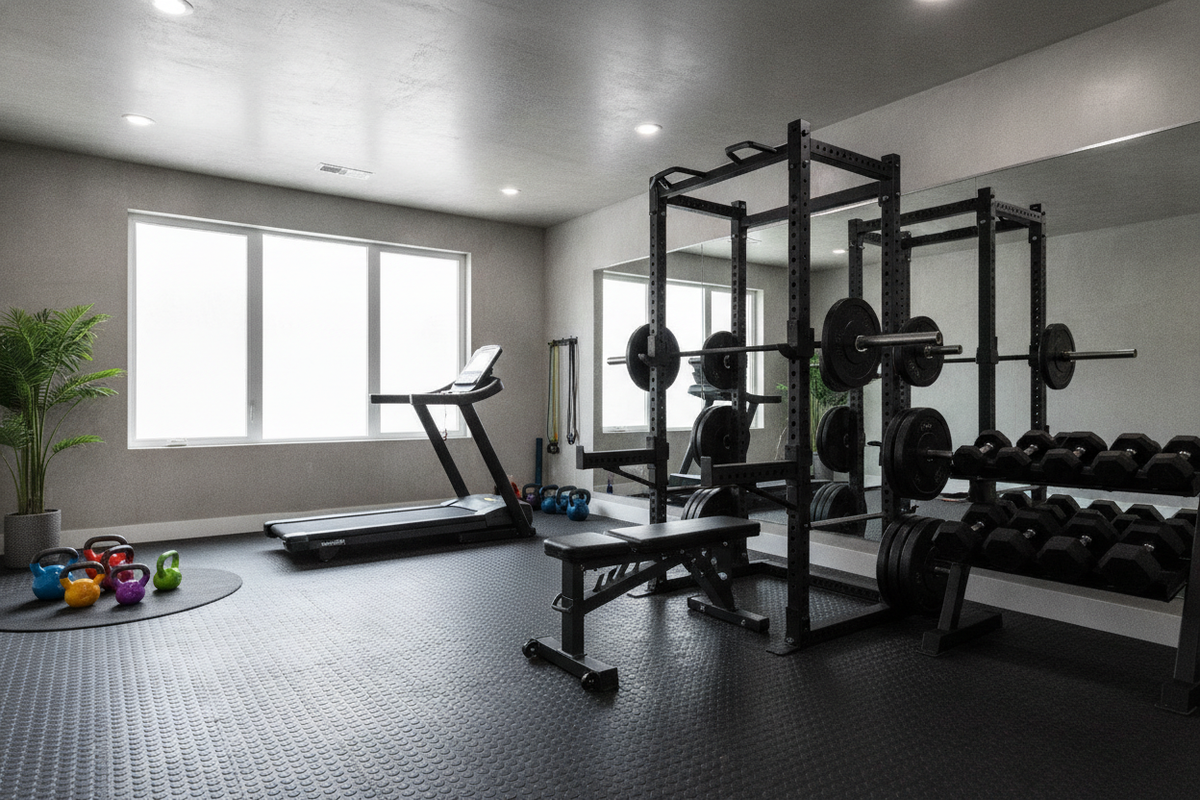
You protect your floor when using heavy weights at home by installing dense rubber gym mats, designating specific drop zones, and elevating equipment onto sturdy storage racks. Purpose-built home gym flooring absorbs kinetic energy, dampens acoustic vibration, and provides reliable subfloor protection against dropped dumbbells or sliding plate edges. High-density rubber gym mats prevent heavy benches from slipping and keep your footing stable during strenuous efforts.
When organizing your workout area, designate specific drop zones where barbell sets or heavy dumbbell exercises will take place. Pairing heavy-duty mats with a dedicated weight rack keeps your floor clear of tripping hazards and prevents heavy plates from rolling against drywall. For lifters combining equipment setup with body composition goals, reading this article about burning fat by lifting weights offers practical context on pairing floor-friendly lifting with daily activity. Keeping your equipment organized and your foundation protected makes your workout space both inviting and long-lasting.
Summary of Weight Types and Final Recommendations
Navigating the different kinds of weights for lifting becomes simple once you understand the basic roles of each category. Whether your space calls for a streamlined pair of adjustable dumbbells, a versatile set of kettlebells, or an expansive setup featuring an Olympic barbell and bumper plates, every implement provides unique benefits for strength training. By learning the common names of weights in the gym and matching equipment to your personal physical goals, you can train with purpose and confidence.
Remember that equipment is only as good as the environment supporting it. Prioritize durable home gym flooring, utilize a sturdy weight rack to keep loads off the ground, and respect proper mechanics across all different kinds of lifts for weightlifting. Investing time into understanding the different kinds of weights for lifting guarantees that your home or commercial workouts remain productive, sustainable, and safe for years to come.