Delts Machine Explained: Is It Worth the Home Gym Space?
Building 3D, capped shoulders is notoriously difficult with just free weights. Often, you hit a plateau or tweak a rotator cuff pushing heavy overhead presses with sloppy form. If you have been considering adding a dedicated delts machine to your setup, you are likely chasing that isolated, constant tension that dumbbells simply cannot provide. This guide will walk you through exactly what to look for, how much space you will need, and whether this specialized equipment is truly worth the footprint in your home gym.
Key Takeaways
- A dedicated machine isolates the medial and posterior heads, reducing rotator cuff strain.
- Plate-loaded models offer the best value and space-efficiency for home and garage gyms.
- Expect to need at least a 4x4 foot footprint, plus clearance for weight horns.
- Proper pivot point alignment is the number one feature to look for to ensure joint safety.
The Biomechanics of a Deltoid Machine
Constant Tension vs. Free Weights
Why is a deltoid machine superior for isolation? Traditional dumbbell lateral raises lose tension at the bottom of the movement, resting the muscle right when it should be stretching. A well-designed machine provides a uniform resistance curve throughout the entire range of motion. This means your muscles are under tension longer, which is the primary driver for hypertrophy.
Choosing the Right Equipment
Plate-Loaded vs. Selectorized
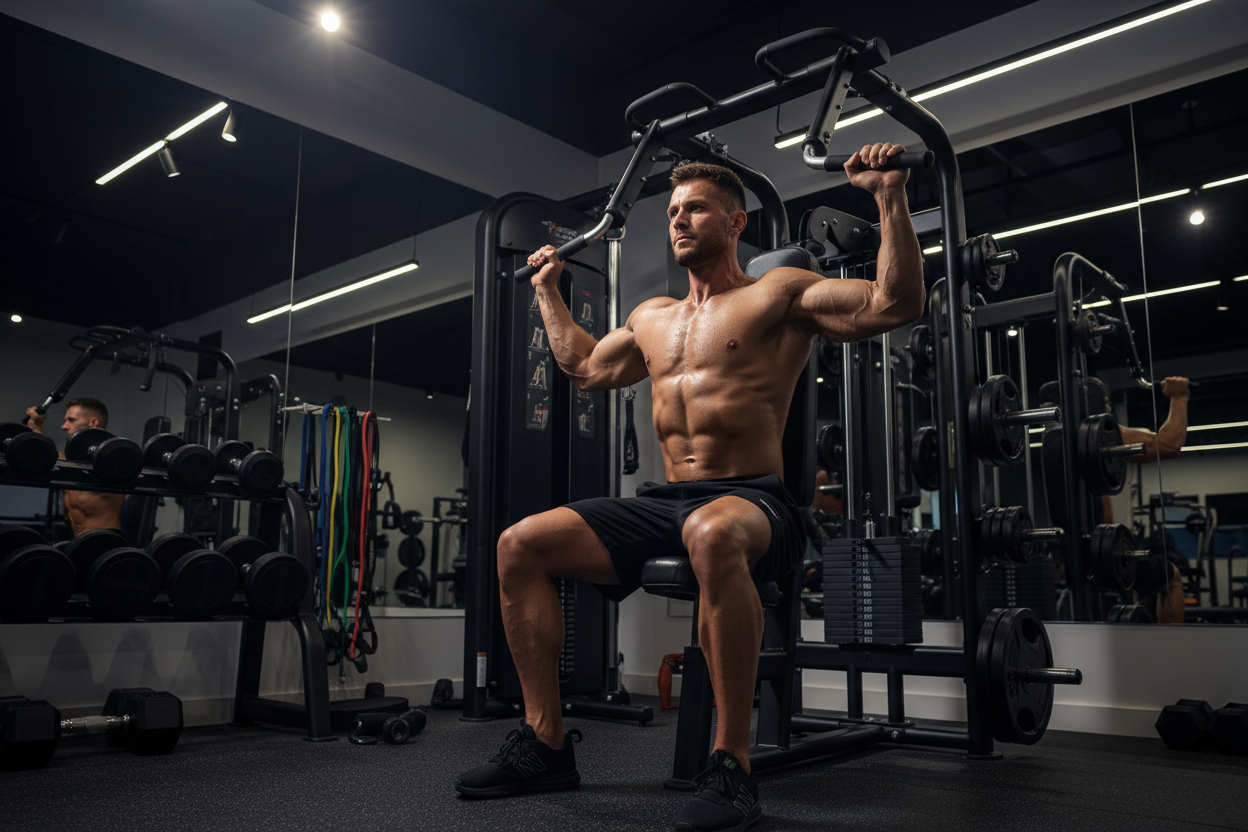
For a residential setup, a plate-loaded deltoid exercise machine is usually king. Selectorized weight stacks are fantastic for a commercial delt machine gym environment where quick drop-sets are necessary, but they are expensive, heavy, and difficult to move. Plate-loaded options allow you to utilize the Olympic plates you already own, saving you both money and shipping weight.
Space Planning for Your Garage Gym
Footprint and Clearance
Most buyers underestimate the working width of a deltoid workout machine. While the base frame might only be 36 inches wide, you must account for the swing arc of the arms. Once you load 45-pound plates on the lateral horns, that width expands significantly. Always measure your space leaving an extra 12 to 18 inches of clearance on either side so you are not scraping your drywall during a heavy set.
From Our Gym: Honest Take
We have tested dozens of shoulder isolation pieces over the years. Currently, I have a plate-loaded lateral raise machine sitting in the corner of my two-car garage gym. The biggest advantage? The arm pads. Being able to drive the weight up with my elbows rather than gripping a dumbbell completely removed the forearm fatigue that used to hold back my shoulder growth. However, I will be completely honest: it is a bit of a space-hog for a single-joint movement. If your gym is under 150 square feet, you might be better off with a functional trainer or cable column. But if you have the room, the targeted pump is unmatched.
Frequently Asked Questions
Is a deltoid exercise machine worth it for a home gym?
If shoulder hypertrophy is a primary goal and you have a history of joint pain with free weights, yes. It provides unparalleled isolation and safety. However, it is a luxury piece; beginners should prioritize a power rack and bench first.
How much space do I need for a deltoid workout machine?
Plan for a minimum functional footprint of 4 feet by 4 feet. You must account for the swing arc of the machine arms and the extra width when loading Olympic plates onto the weight pegs.
Can I build shoulder mass without one?
Absolutely. Overhead presses, upright rows, and dumbbell raises have built massive shoulders for decades. A machine simply provides a safer, more efficient path to failure without relying on stabilizing muscles.