Decoding the Types of Weight: What Belongs in Your Gym?
I remember standing in the middle of a big-box gym a decade ago, staring at a rack of chrome-handled things and feeling like I had forgotten how to speak the language. It is easy to get lost in the jargon when you are just trying to figure out the types of weight that will actually help you build some muscle without wasting half your paycheck on gear that collects dust.
Quick Takeaways
- Iron plates are for noise and savings; bumpers are for floor survival.
- Dumbbells are the most versatile tool in any room, period.
- Kettlebells are for movement and stability, not just swinging.
- Avoid 'cement-filled' plastic weights; they leak and they break.
The Iron Jungle: Why Are There So Many Different Weights?
Walking into a modern gym can feel like navigating a foreign city without a map. You see rows of metal, rubber, and things that look like medieval torture devices. You see people throwing around different weights and wonder if you are missing out by sticking to the basics. The reality is that most of that variety is just fluff designed to make a gym membership feel more valuable.
The truth is, most of that stuff is filler. While the names of weight lifting machines might fill up a massive glossary, you only need a handful of tools to get 90% of your results. Don't let the variety paralyze you. Most people who look like they know what they are doing are just sticking to the same five or six pieces of equipment every single week. You do not need to master every weight name in gym circles to get strong.
The Big Three: Free Weights That Actually Move the Needle
If you are building a home setup or just trying to understand the weight list at your local club, it starts with the big three: barbells, dumbbells, and kettlebells. These are the types of free weights that form the foundation of every legendary physique. The barbell is the king of loading; you can put 500 lbs on a bar, but you cannot easily hold 500 lbs in your hands otherwise.
Dumbbells are the different weights I recommend for almost everyone starting out. They teach you balance and ensure one arm is not doing all the work. Then you have kettlebells—the lifting weights names usually refer to their 'pood' or kilogram weight. Their off-center handle makes your stabilizer muscles scream. If I had to pick one to start with, I would grab a pair of 25-lb dumbbells. They fit in a 2x2 foot corner and let you do everything from lunges to overhead presses.
Plates Explained: Bumper Plates vs. Cast Iron
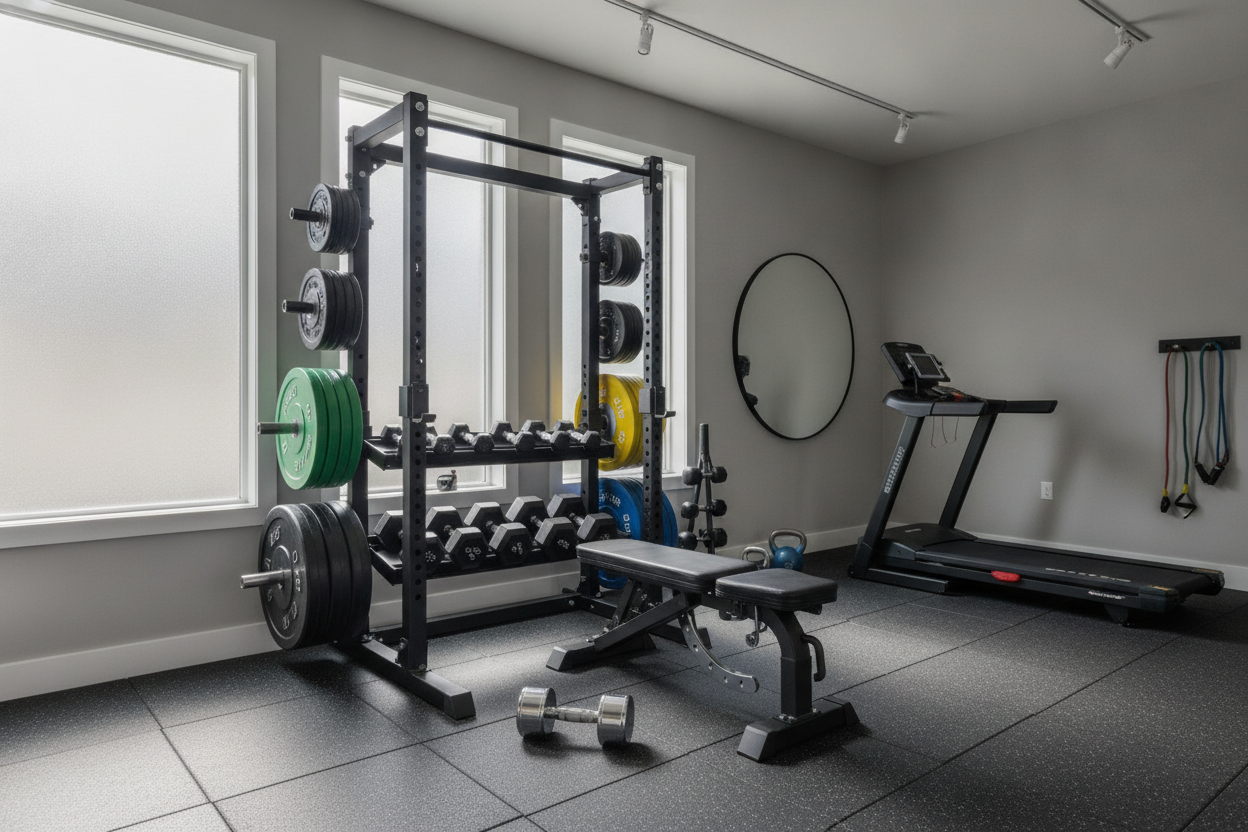
When you are looking at types of weights for lifting on a barbell, you have to choose between cast iron and bumper plates. Cast iron is the classic 'clink' sound. They are thinner, so you can fit more on the bar, but they will crack your garage floor or rattle your teeth if you drop them. Bumper plates are solid rubber. They are designed to be dropped from overhead without destroying your foundation.
The bounce on a high-quality bumper plate is predictable. Cheap ones? They will jump back and hit you in the shins. When you are doing heavy types of squats with weights, you want to know exactly how those plates are going to behave if you have to bail on a rep. If you live in an apartment, go with rubber-coated plates to keep the neighbors from calling the cops.
The Odd Objects: Sandbags, Med Balls, and Chains
Once you have the basics, you will see kinds of weights like sandbags and medicine balls. Sandbags are 'dead weight.' They shift and move. They are miserable to carry, which makes them incredible for conditioning. Medicine balls are great for explosive power—slamming them into the ground is better than any therapy session I have ever had.
Chains and bands are different types of weights for workout variety, mostly used by powerlifters to change how heavy the bar feels at the top of a lift. Unless you are already benching 300 lbs, you can skip the chains. They are loud, messy, and mostly just for show in a beginner's garage. Stick to the types of exercise weights that you can actually track and progress over time.
Building the Setup: Racks and Benches to Support Your Iron
You can have the best types of weights at the gym, but if you are benching on a wobbly plywood box, you are going to end up in the ER. A solid adjustable weight bench is non-negotiable. You need something that does not creak or wobble when you sit down with 80-lb dumbbells in your hands. It needs to feel like a tank.
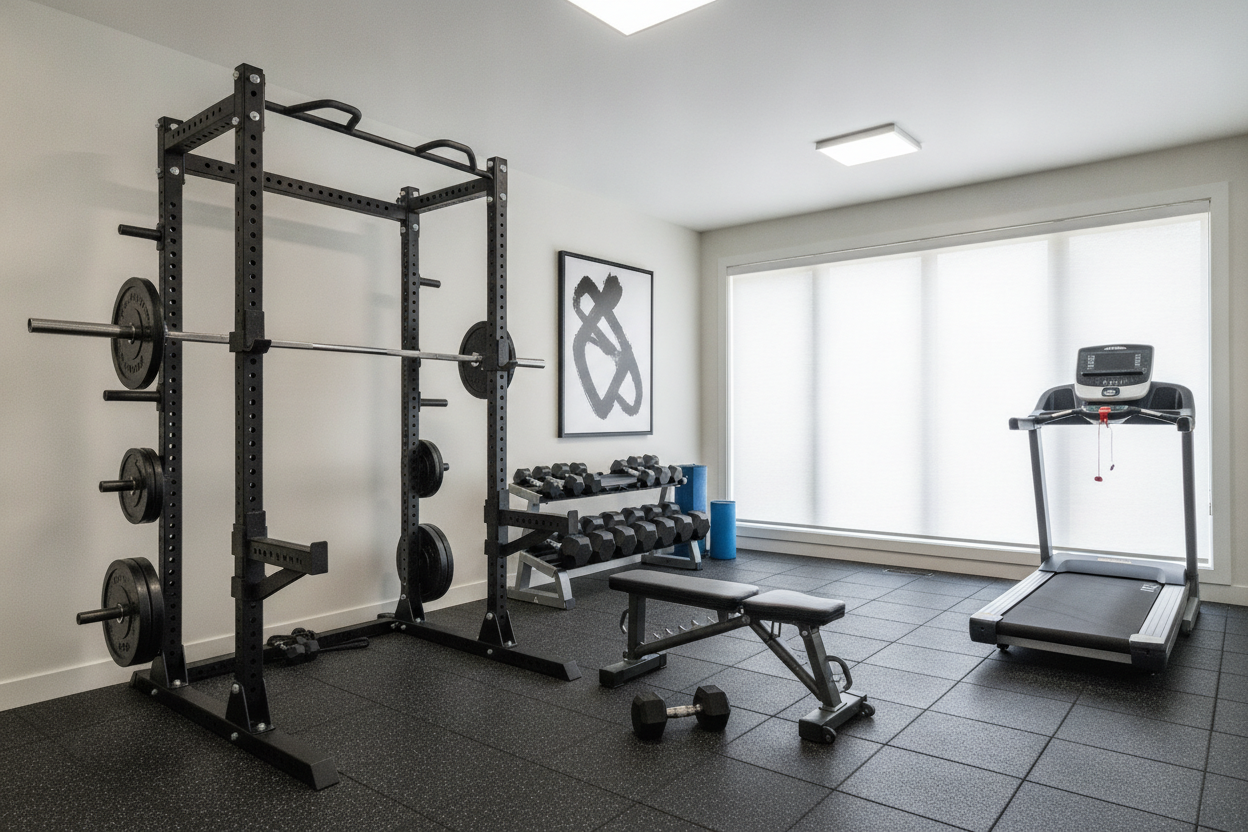
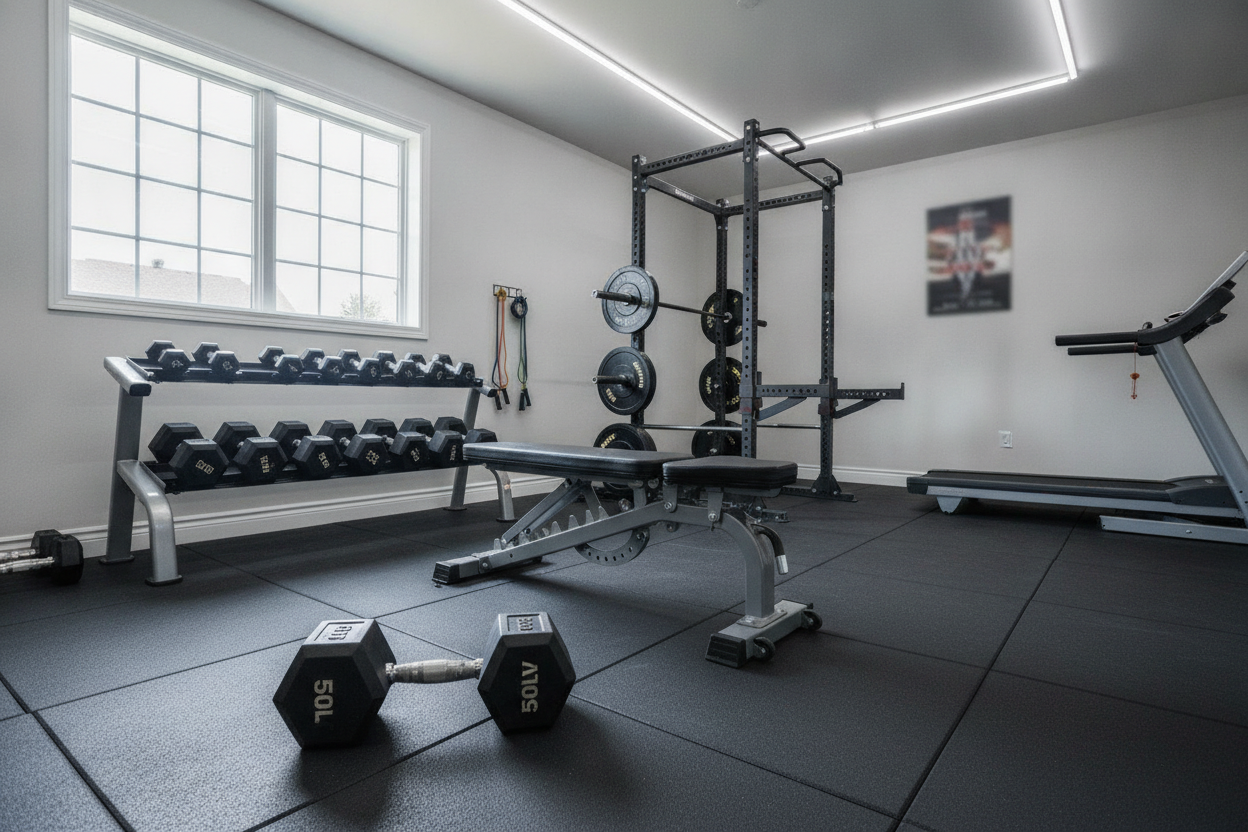
If you are serious about the barbell, look at a power rack weight bench package. It gives you the safety of spotter arms so you do not get pinned under a heavy bar when training alone at 6:00 AM. Knowing the name of weights is useless if you do not have a safe place to lift them. Invest in the rack first; the plates can be bought used, but safety gear should be bought new.
My Biggest Gear Mistake
I once bought a set of plastic-coated cement weights from a guy on Craigslist because the price was too good to pass up. Within three months, the plastic cracked and gray sand started leaking all over my gym floor. They were bulky, awkward, and eventually, the internal metal ring came loose. I ended up spending twice as much to replace them with real iron. Buy once, cry once.
FAQ
What are the best weights for beginners?
Dumbbells. They are less intimidating than a barbell, require less space, and help you identify muscle imbalances early on.
Are iron plates better than rubber?
Only if you are short on space on the bar or you love the old-school sound. For 99% of home gym owners, rubber bumper plates are the smarter, quieter investment.
Do I need a full set of kettlebells?
No. You can do a massive amount of work with just two: one 'heavy' bell for swings and one 'medium' bell for presses and snatches.