Cutting Meal Plan for Women: Simple Prep Guide
Starting a focused fat-loss phase does not require extreme calorie restriction or giving up whole, satisfying ingredients. A sustainable cutting meal plan for women is designed to encourage fat reduction while protecting hard-earned lean muscle. When paired with consistent resistance workouts, this approach keeps your daily energy steady and prevents the exhaustion often associated with crash dieting.
Many women worry that eating in a calorie deficit will leave them feeling depleted or compromise their physical strength. In reality, focusing on nutrient-dense staples, balanced portions, and strategic meal timing creates an environment where you can train hard, recover efficiently, and achieve noticeable changes in body composition over time.
Understanding a Cutting Meal Plan for Women
Entering a dedicated cutting phase means establishing a mild to moderate calorie deficit so that your body relies on stored energy for daily tasks and workouts. The central challenge during any deficit is ensuring that the weight lost comes from fat stores rather than active muscle tissue.
Instead of slashing food intake drastically, a well-structured approach emphasizes slow, steady progress. Keeping your deficit reasonable supports long-term metabolic health and ensures you have the stamina needed to handle demanding days at work, family obligations, and your training schedule.
How do I maintain muscle on a female cutting meal plan?
To preserve muscle while following a female cutting meal plan, you must consume enough dietary protein and provide consistent mechanical tension through regular strength training. Muscle tissue requires regular stimulation and a continuous supply of amino acids to remain intact when energy intake is lower than expenditure.
Prioritizing adequate protein intake across your daily plates minimizes muscle breakdown. At the same time, continuing to lift weights tells your body that muscle tissue is essential for survival, discouraging it from breaking down muscle fibers for immediate fuel.
Visual Portion Balancing Over Strict Math
Weighing every morsel of food on a digital scale can quickly lead to mental fatigue. Adopting visual portion control is an approachable, sustainable way to build balanced cutting meals without turning mealtime into a math problem.
A straightforward hand-based method provides an intuitive framework for building your plates:
- Protein: A palm-sized serving forms the foundation of each plate.
- Vegetables: A fist-sized portion of greens or fibrous veggies delivers volume and micronutrients.
- Carbohydrates: A cupped-hand portion of whole grains or starchy vegetables fuels daily activity.
- Fats: A thumb-sized amount of healthy oils, seeds, or nuts supports hormonal balance.
Using these visual markers allows you to adjust portion sizes naturally depending on your appetite and daily training intensity without feeling tied to a food scale.
Core Food Groups for Your Cutting Phase
Selecting nutrient-dense foods makes adhering to a moderate deficit straightforward and physically comfortable. Combining lean proteins, slow-digesting carbohydrates, and essential fats provides prolonged satiety and stabilizes daily energy levels throughout your training cycle.
Lean Protein Sources for Fullness and Recovery
Dietary protein is essential during a cut because it carries a high thermic effect and promotes lasting satiety. Choosing diverse lean protein sources ensures your body receives the necessary amino acids to rebuild tissue after resistance sessions.
Reliable kitchen staples include boneless chicken breast, turkey, eggs and liquid egg whites, tofu, tempeh, white fish, shrimp, and low-fat Greek yogurt or cottage cheese. Rotating through these options keeps cutting meals interesting and prevents prep burnout.
Smart Carbs and High-Fiber Greens
Carbohydrates remain a vital fuel source, especially when your routine includes demanding dumbbell exercises and circuits. Integrating complex carbohydrates like rolled oats, brown rice, quinoa, and sweet potatoes helps replenish glycogen stores in working muscles.
Layering your meals with abundant fibrous greens, such as spinach, kale, broccoli, zucchini, and asparagus, increases food volume dramatically. This high-volume approach keeps your stomach comfortably full while providing essential vitamins and minerals that support daily vitality.
Essential Healthy Fats in Moderation
Dietary fats play an important role in vitamin absorption and normal hormone function. Completely removing fats from your diet can cause sluggishness, mood shifts, and persistent hunger cues. The goal is to consume healthy fats in measured quantities.
Nutrient-dense options include extra virgin olive oil, diced avocado, chia seeds, ground flaxseeds, and small portions of raw nuts. Incorporating these healthy fats into daily salads and grain bowls adds richness to meals while keeping total energy within your target range.
What does a cutting meal plan for women look like?
A typical daily schedule on a balanced meal plan for cutting female lifters focuses on structured, high-satiety meals distributed evenly throughout the day to keep hunger manageable. Here is an example of what an uncomplicated day of eating might include:
- Breakfast: A warm bowl of rolled oats cooked in water or almond milk, stirred with a scoop of protein powder or egg whites, topped with fresh berries and a sprinkle of chia seeds.
- Lunch: A generous salad bowl featuring sliced grilled chicken breast or baked tempeh over mixed baby greens, cucumbers, cherry tomatoes, a cupped hand of quinoa, and a drizzle of olive oil with lemon juice.
- Afternoon Snack: A cup of plain low-fat Greek yogurt paired with a small handful of almonds, or crunchy bell pepper slices served alongside a couple of tablespoons of hummus.
- Dinner: Pan-seared white fish or salmon served with roasted sweet potato cubes and steamed asparagus or sautéed green beans.
- Evening Drink: A soothing cup of chamomile or peppermint herbal tea to establish relaxing evening hydration habits.
This template demonstrates how a practical cutting meal plan for women offers ample color and variety while reinforcing mindful portion sizes.
Fueling Home Workouts During a Cut
Nutrition and physical training must work together. If you drastically underfuel your body before a workout, your lifting capacity and endurance will decline, making it harder to maintain your strength. Structuring your nutrition around your exercise schedule ensures productive training sessions.
How should I time meals around home workouts while cutting?
To time meals effectively around your workouts, consume a light, carbohydrate-rich pre-workout snack thirty to sixty minutes before training, followed by a protein-focused recovery meal within two hours of finishing. This schedule provides fast-acting fuel for physical effort and supplies the building blocks required for immediate recovery.
A simple pre-workout snack might be a banana, a couple of plain rice cakes, or a small portion of fruit. Following a structured schedule, such as a basic workout routine for women, makes it easy to coordinate your snack timing with your daily calendar.
After you finish exercising, your post-training plate should contain a solid serving of lean protein paired with moderate carbohydrates to replenish energy reserves. This thoughtful timing promotes muscle repair without requiring extra snacks between major meals.
Maintaining Strength with Home Resistance Training
Cardiovascular activity burns energy, but lifting weights is what shapes and preserves lean muscle during a deficit. Consistent strength training reminds your body to retain muscle tissue rather than burning it for fuel.
Executing compound dumbbell exercises—such as goblet squats, Romanian deadlifts, shoulder presses, and bent-over rows—engages several muscle groups simultaneously. For structured guidance on building an effective home program, explore our female resistance training routine. Combining purposeful strength work with steady nutrition helps you build a strong, athletic physical base.
Setting Up Your Workout Floor for Joint Protection
During a calorie deficit, recovery can sometimes feel slightly slower, making daily comfort and joint care especially important. Setting up a dedicated, supportive home training environment helps reduce wear and tear on your joints over time.
Cushioning High-Impact Movements and Lunges
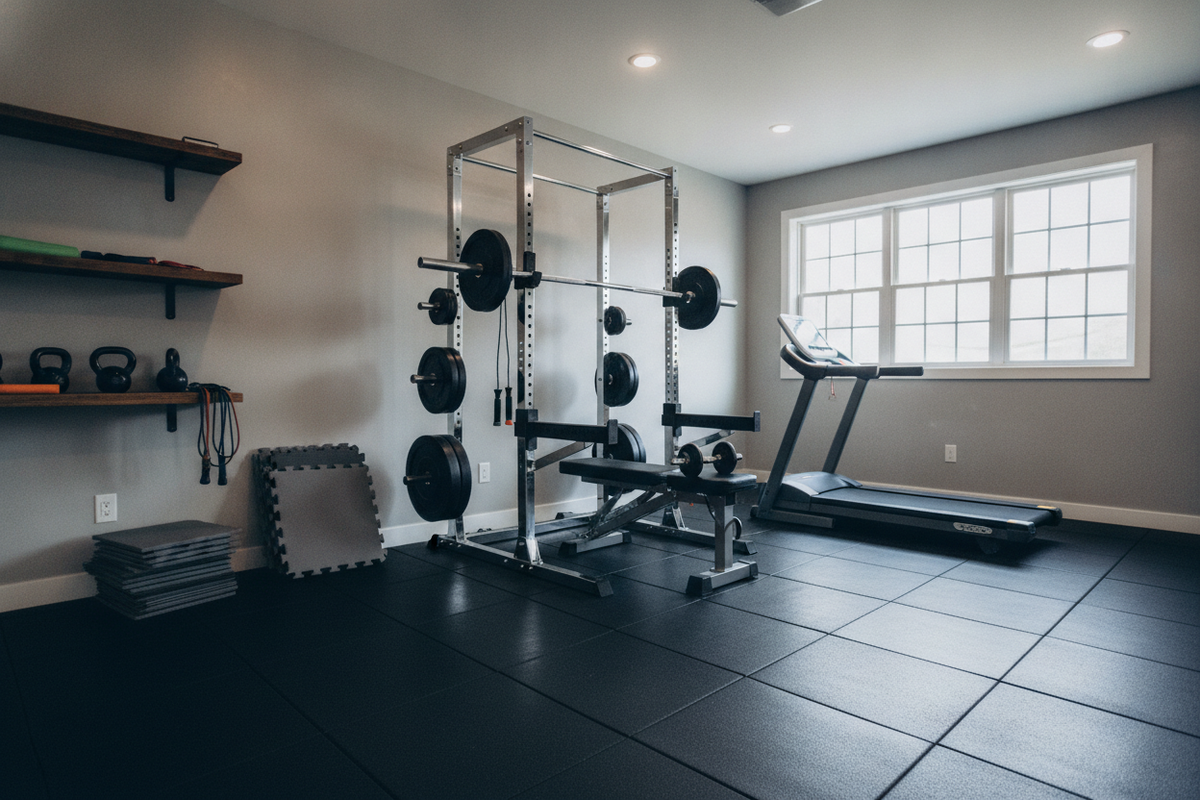
Performing bodyweight circuits, reverse lunges, and jumping jacks directly on unyielding hardwood or concrete subfloors can transmit harsh force into your ankles, knees, and lower back. Incorporating a dense gym mat provides necessary shock absorption that cushions repeated foot strikes.
A resilient exercise mat also protects sensitive contact points, such as wrists and elbows, during planks, push-ups, or floor presses. Cushioning these joints ensures you can complete full workout sessions comfortably without unnecessary joint impact lingering into your day.
Floor Grip and Equipment Stability
Lifting weights safely requires uncompromised traction. Slipping on slick floorboards during heavy dumbbell exercises can compromise your lifting technique and lead to sudden strain. Laying down dedicated home gym flooring or an oversized dense gym mat creates a dependable, non-slip workout surface.
A durable, non-slip workout surface keeps your stance locked during deep squats and lunges. In addition, quality home gym flooring shields household floors from accidental scuffs or light equipment contact, giving you confidence to train at home without damaging your living space.
Practical Habits to Keep Your Cut Sustainable
Long-term adherence is the deciding factor in any fitness journey. Cultivating reliable lifestyle habits ensures your nutritional plan fits smoothly into your everyday schedule.
Consistent Meal Prep and Batch Cooking
Preparing meals ahead of time removes the daily stress of deciding what to eat when energy is low. Dedicating a couple of hours each week to batch cook lean protein sources, roast vegetables, and steam grains allows you to assemble balanced lunches and dinners in minutes.
For structured strategies on bulk cooking and organizing your kitchen, take a look at our batch prep meal guide. Keeping wholesome foods ready in your refrigerator prevents impulsive choices during busy workweeks.
Hydration Habits, Sleep, and Recovery
Drinking enough fluid throughout the day is critical when adjusting your food intake. Mild dehydration is often mistaken for hunger, leading to unintended snacking between meals. Building consistent hydration habits—such as drinking a large glass of water upon waking and sipping throughout your workday—helps manage appetite and supports digestive regularity.
Finally, prioritize uninterrupted, quality sleep. Skimping on rest can disrupt hunger cues and drain the physical motivation required for home workouts. In my view, getting restful sleep is just as vital as proper meal prep for keeping daily energy steady. By combining smart nutrition, purposeful home training, and supportive recovery habits, you can navigate your fat-loss goals with confidence and lasting vitality.