Choosing the Right Workout Mat for Home Fitness Success
Working out at home has become increasingly popular, and one essential piece of equipment for any home fitness routine is a reliable exercise mat. Whether you're doing yoga, Pilates, cardio, strength training, or simple stretches, the right mat can make a significant difference in your comfort, performance, and safety. With so many options available—from large fitness mats to portable gym pads—it's important to know what to look for when choosing the perfect mat for your needs.
Why an Exercise Mat Matters
An exercise mat is more than just a padded surface; it's a foundation for your workouts. It protects your joints from hard flooring, prevents slipping during movement, and offers cushioning for floor-based exercises. Home workout mats are particularly beneficial because they allow you to create a dedicated space for fitness without needing an entire gym.
For workouts like high-intensity cardio, a high density workout mat or an extra thick gym mat can absorb impact and reduce strain on the knees and ankles. For lower-impact activities like stretching or yoga, a thinner yoga mat designed for working out may provide better stability.
Different Types of Mats for Home Workouts
The term 'exercise mat' covers a wide range of products. Here are the most common options:
-
Home exercise mats: Ideal for everyday workouts, often made of foam or rubber with moderate thickness.
-
Large exercise mats for home gym: Provide ample space for dynamic movements like aerobics, dance workouts, or HIIT sessions.
-
Portable gym mats: Lightweight and foldable, perfect for those who need to store them after use.
-
Fitness pads: Smaller than full-sized mats, useful for targeted exercises such as sit-ups or planks.
-
Training mats for gym use: Often more durable, designed for heavy equipment or high-intensity routines.
Considerations When Selecting an Exercise Mat
Before buying, consider factors such as material, thickness, size, and price:
-
Material: Look for non-toxic materials that are easy to clean. Rubber, PVC, and high-density foam are common options.
-
Thickness: Choose a thicker mat for high-impact workouts, and a thinner mat for balance-focused exercises.
-
Size: Ensure the mat fits the area you plan to use for workouts at home. Large workout mats are great for movement-based exercises.
-
Price: Balance quality with affordability; fitness mats cheap may save money upfront but might wear out faster.
Personal Experience With Home Workout Mats
When I first set up my home gym, I purchased a basic exercise mat at home without much thought. Within weeks, I noticed discomfort in my knees during lunges and instability when doing planks. Eventually, I upgraded to a high density workout mat for home gym use. The difference was remarkable—better cushioning, improved grip, and the confidence to push harder during training sessions. It taught me that the right mat isn't just an accessory; it's a foundation for safe and effective workouts.
Specialized Mats for Different Activities
Not all mats serve the same purpose. For example, a cardio workout mat is designed to withstand intense movement and impact. Stretching mats for gyms or home use offer ample length and width to accommodate full-body stretches, while gym stretch mats prioritize durability against constant use.
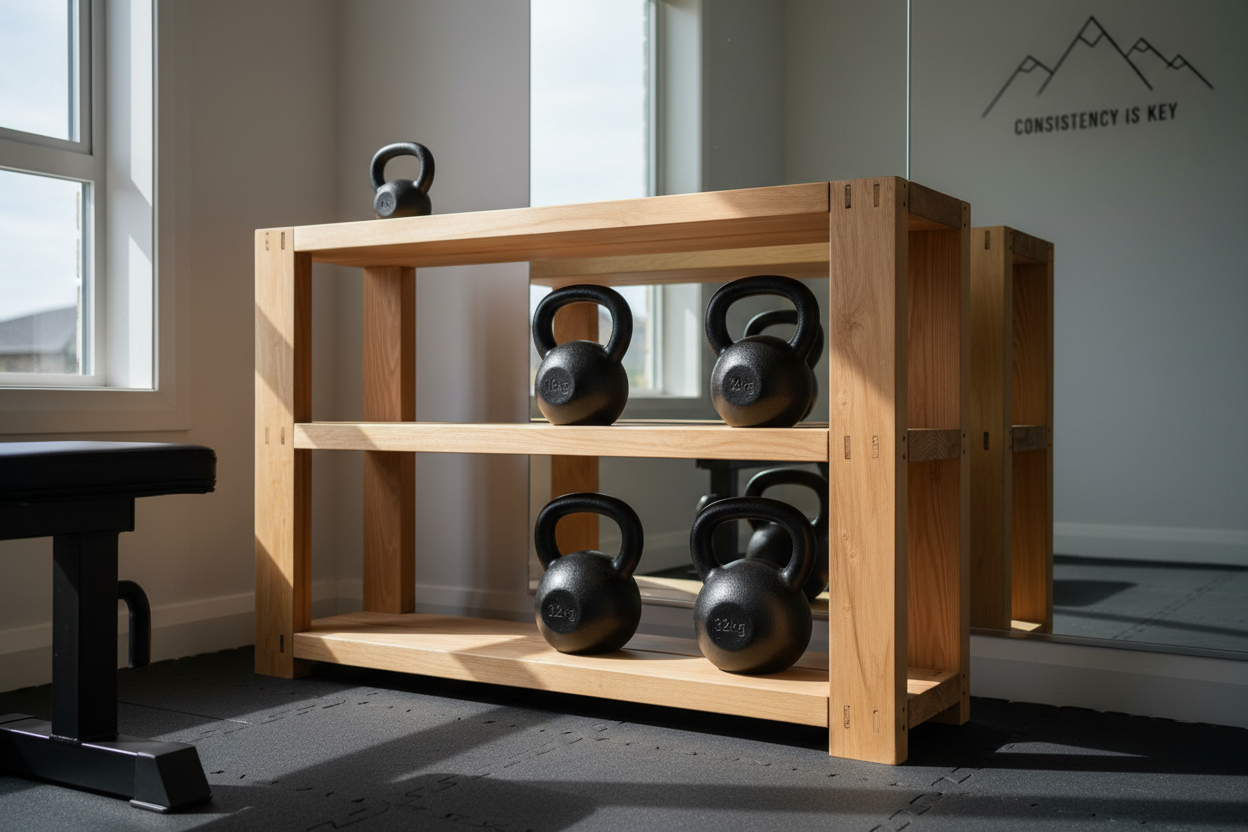
Yoga mats for working out often have textured surfaces to prevent slipping, which is especially useful in poses that require stability. Fitness mats for home gym setups can double as protective flooring under weights and machines, extending their versatility.
Price Ranges for Exercise Mats
The exercise mat price varies widely depending on quality and features. Entry-level mats for exercise at home can be surprisingly affordable, while premium extra thick gym mats or large exercise mats for home gym purposes may cost significantly more. Some people look for the price of exercise mat options online before visiting local stores to compare deals. Investing in a durable mat often saves money long-term since cheaper mats may need frequent replacement.
Maintenance and Care Tips
To maximize the lifespan of your workout mat home choose, keep it clean by wiping it down after each session. Avoid direct sunlight exposure if the material is susceptible to damage. Roll or fold the mat for storage, depending on its design, and keep it away from moisture to prevent mold or odor buildup.
Conclusion
The perfect home gym workout mat bridges the gap between comfort, safety, and performance. From portable gym mats to extra thick gym mats for heavy training, there's an option for every workout style and budget. Think about the type of exercises you do most often, consider space limitations, and invest in a mat that aligns with your fitness goals. A well-chosen mat doesn't just support your body—it's an investment in your health and the success of your home fitness journey.