Finding Your Perfect Home Gym: A Complete Guide to All-in-One Trainers
Walking into my garage three years ago, I faced a familiar dilemma: a collection of mismatched dumbbells, a worn-out bench, and zero space to do a proper squat. I was tired of piecing together workouts with limited equipment and knew I needed a better solution. That's when I discovered the world of full-body home gyms, and it completely transformed my fitness routine.
Why an All-in-One Home Gym Might Be Your Best Fitness Investment
Space constraints, time limitations, and crowded commercial gyms have driven many fitness enthusiasts to consider comprehensive home solutions. A quality multi-function home gym consolidates your entire workout into a single footprint, eliminating the need for multiple pieces of equipment while providing remarkable versatility. Unlike random free weights scattered across your floor, these integrated systems are designed with purposeful engineering to maximize exercises while minimizing the space they consume.
The psychological benefits are equally significant. Having a dedicated fitness station creates a visual commitment to your health goals. There's no 'I'll skip today because it's raining' excuse when your workout center is just steps away in your home. This convenience factor often translates to more consistent training and better long-term results.
Understanding Home Gym Types: From Weight Stacks to Resistance Rods
Not all home gym systems are created equal. Understanding the core technologies will help you identify which type aligns with your fitness goals and space considerations.
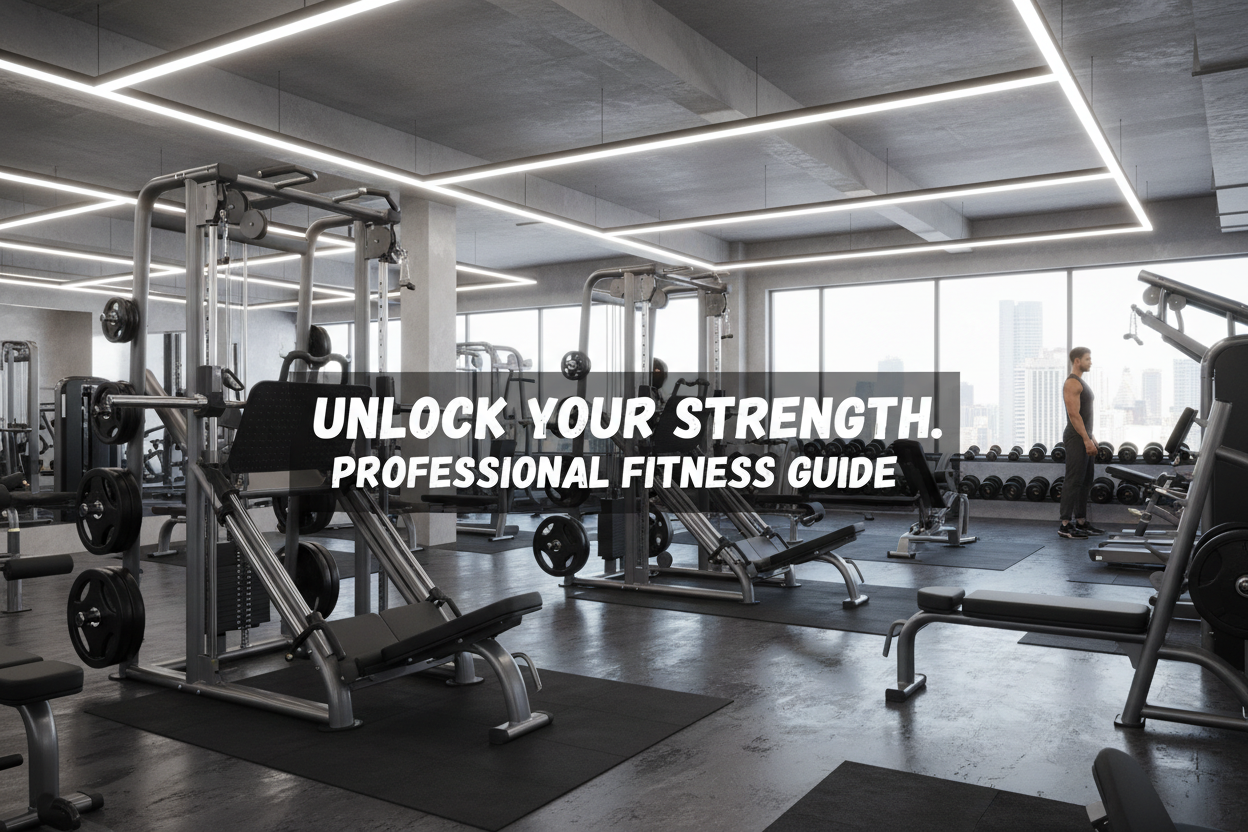
Traditional weight stack home gyms use familiar iron plates mounted on guided rods. When you select a weight via the pin, you're lifting that specific amount of iron. These systems provide the classic 'feel' of gym equipment and typically offer smooth, consistent resistance throughout each movement. The best weight stack home gym models feature high-quality pulleys and cables that ensure fluid motion during exercises.
Other systems utilize resistance bands, rods, or hydraulic pistons. While these can be excellent space-saving options, they often provide different resistance curves than traditional weights. Some users prefer the constant tension of these systems, while others miss the familiar feel of iron plates. Consider trying both types if possible to determine your preference.
Key Features to Look For in Your Multi-Gym
When evaluating different models, several factors separate adequate systems from exceptional ones. Build quality should be your primary concern—look for sturdy steel frames, commercial-grade bearings, and durable upholstery. Wobbling or instability during exercises isn't just annoying; it can compromise your safety and exercise form.
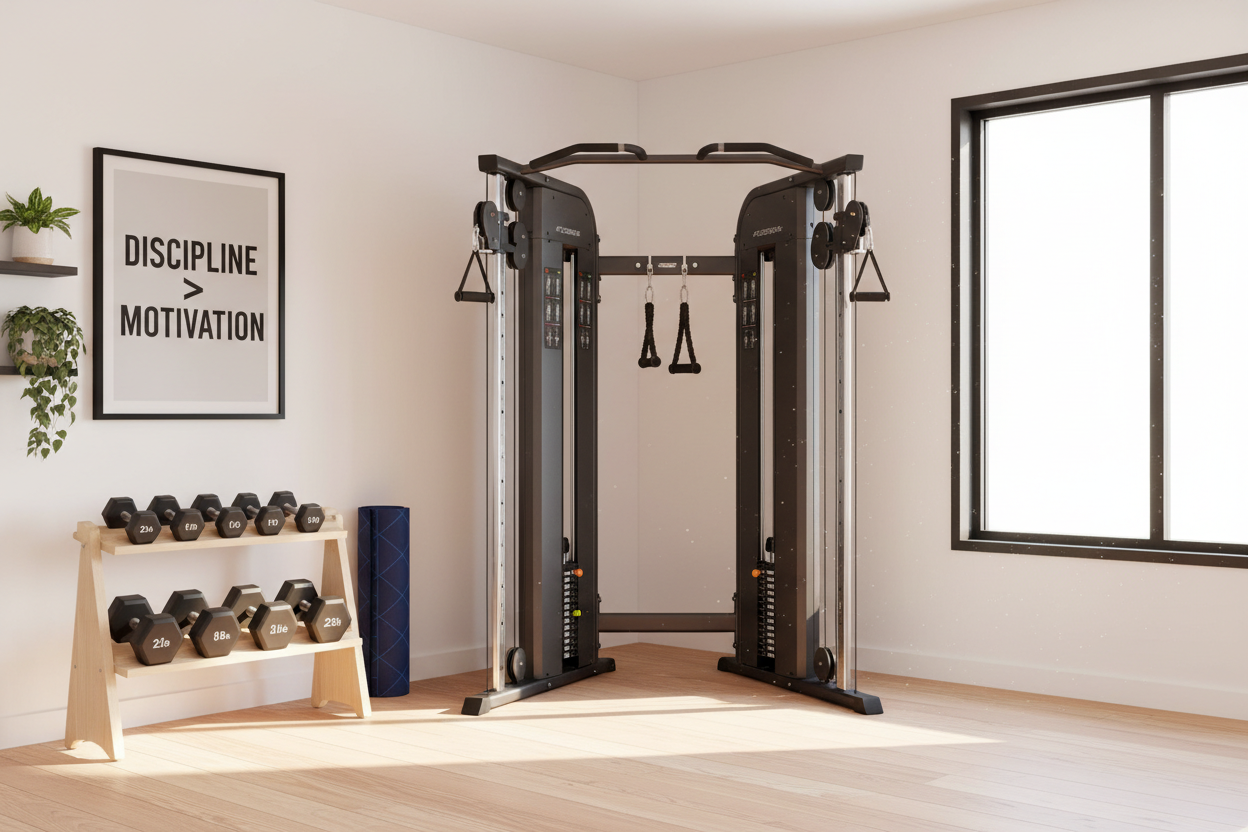
Exercise versatility is another critical consideration. The best multi gym for home use should accommodate all your fundamental movements: pushing (chest press, shoulder press), pulling (lat pulldowns, rows), lower body (leg extensions, curls), and core work. Some advanced systems even incorporate cable crossover functionality, allowing for hundreds of exercise variations from a single station.
Don't overlook adjustment mechanisms. How easily can you change between exercises? Systems with quick-change pins, sliding rails, or simple lever adjustments will dramatically improve your workout flow. There's nothing more frustrating than spending more time setting up than actually exercising.
The Space Question: Making Room for Your Fitness Goals
Before purchasing any equipment, honestly assess your available space. Measure not just the floor footprint but also the ceiling height and clearance needed for exercises like lat pulldowns. Many modern home gyms are surprisingly compact, with some foldable or wall-mounted options available for extremely tight spaces.
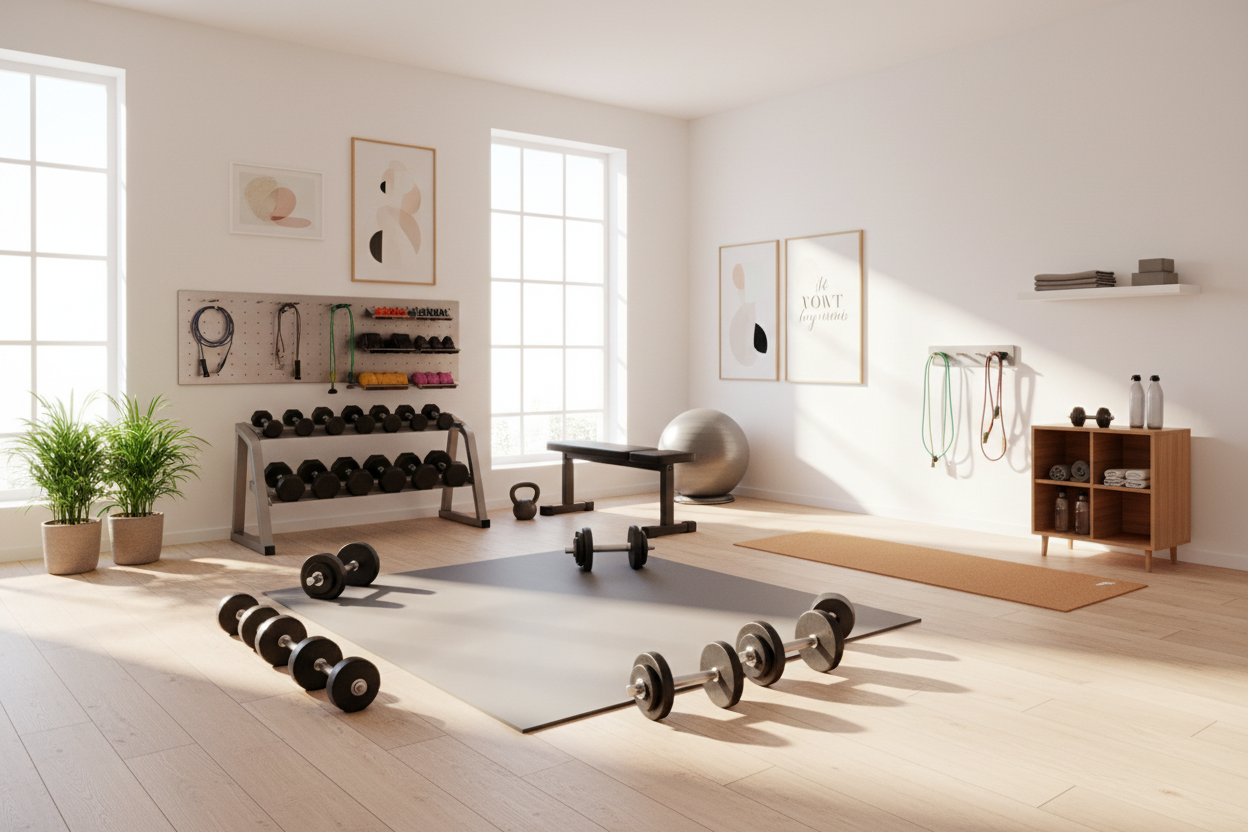
Remember to account for your movement around the equipment. You'll need additional space to load weight plates (if applicable) and to perform exercises that extend beyond the machine's frame, like lunges or step-ups. Proper ventilation and flooring are also important considerations for creating an inviting workout environment.
My Journey With the Best Stack Home Gym I've Owned
After extensive research, I settled on a 150-pound weight stack system that fit perfectly in my single-car garage corner. The first thing I noticed was the quality difference compared to cheaper models I'd tried at friends' houses. The bearings were whisper-quiet, the weight stack moved without sticking, and the adjustments took seconds rather than minutes.
Within weeks, I established a consistent routine that would have been impossible with my previous scattered equipment. The convenience of moving between chest presses, lat pulldowns, and leg exercises without changing locations kept my heart rate elevated and workouts efficient. Surprisingly, I found myself using the machine for creative exercises beyond the basics, like face pulls for shoulder health and rotational core work.
The investment paid for itself within a year compared to commercial gym membership fees, not to mention the saved time and transportation costs. More importantly, it became a family fitness hub—my partner uses it for maintenance workouts while I pursue strength goals, all on our own schedules.
Setting Realistic Expectations for Your Home Training
While multi-gyms are incredibly versatile, they can't replicate every aspect of a commercial gym experience. Heavy barbell squats and deadlifts, for instance, typically require separate equipment. However, for the vast majority of fitness enthusiasts—from beginners to intermediate trainees—a quality all-in-one system provides more than enough stimulus for continuous progress.
The key is understanding how to maximize what your equipment offers. With some creativity and perhaps a few accessory items like resistance bands, you can create virtually unlimited workout variations that keep your training fresh and challenging for years.
Making Your Final Decision: A Checklist
Before committing to any home gym system, verify the warranty coverage—quality manufacturers stand behind their products with comprehensive protection. Read customer reviews focusing on long-term durability rather than just initial impressions. If possible, test similar models at local fitness stores to get a feel for the movement quality.
Consider your future self, too. Will this equipment grow with your fitness level? Some systems offer upgrade options like additional weight stacks or attachment accessories. Investing in a slightly more capable system than you currently need might save you from needing another upgrade down the road.
Your perfect home gym exists—it's just a matter of matching your space, goals, and budget with the right equipment. Take your time researching, and you'll be rewarded with a fitness solution that serves you well for years to come.