Chest Workout: How Many Sets You Really Need for Best Results
When starting a chest workout routine, one of the most common questions is how many sets are optimal. The right number of sets can influence your muscle growth, strength gains, and recovery. While there isn’t a one-size-fits-all answer, understanding how sets interact with volume, intensity, and frequency can help you find your personal sweet spot.
Why Set Count Matters in a Chest Workout
Sets determine your training volume, which plays a key role in stimulating muscle hypertrophy. Higher volume from more sets can lead to greater muscle growth, but it also demands more recovery. Too few sets may not provide enough stimulus, while too many can risk overtraining. The ideal number varies depending on your fitness level, goals, and the exercises you choose.
Recommended Sets for Beginners
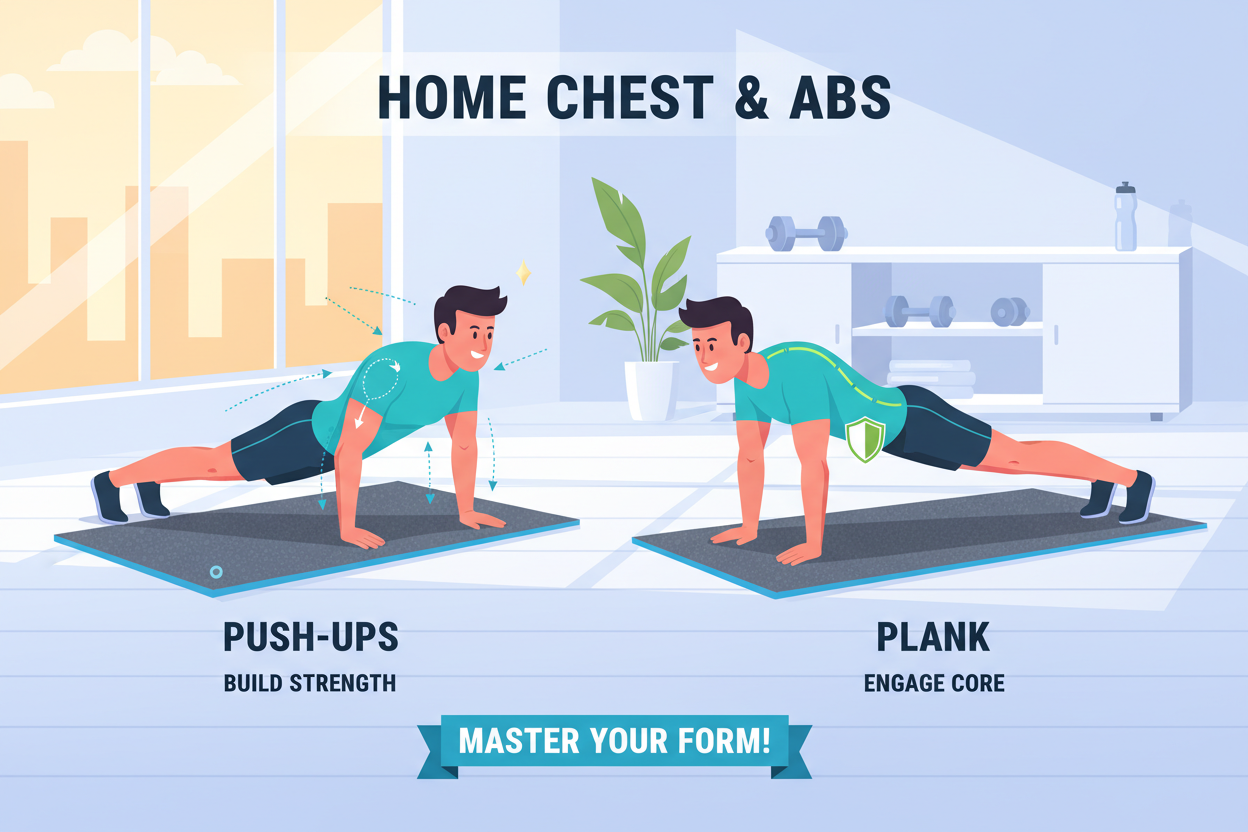
If you’re new to chest workouts, starting with 3 sets per exercise is a good benchmark. This allows you to practice proper form while gradually introducing your muscles to increased workload. For example, beginners might focus on staple exercises like bench press, push-ups, or dumbbell flyes, performing 3 sets of 8–12 reps for each movement.
Sets for Intermediate and Advanced Lifters
As you progress, you can increase your volume to provide more stimulus. Intermediate lifters often benefit from 4–5 sets for major chest exercises, alongside assistance movements. Advanced lifters sometimes go up to 6 sets for key lifts, but only if recovery, nutrition, and sleep are well managed. A balanced program might include 12–20 total sets per week for the chest, spread across 2–3 sessions.
Training Frequency Impacts Set Choices
How many sets you perform should also align with how many times per week you train your chest. If you target chest twice a week, you can split the total weekly set count evenly between sessions. For example, 5 sets of bench press on Monday and 5 sets of incline dumbbell presses on Thursday may be more effective than cramming all 10 sets into a single day.
Quality Over Quantity
The effectiveness of your workout isn’t purely about volume. Performing sets with proper form, full range of motion, and focused mind-muscle connection leads to better outcomes than piling on sets performed with poor technique. Always prioritize execution before chasing higher set numbers.
Compound vs. Isolation Exercises
Not all sets work your chest in the same way. Compound exercises such as the bench press and dips engage multiple muscle groups and allow you to lift heavier weights, which can stimulate the chest more effectively with fewer sets. Isolation movements like cable flyes or pec deck presses can be added for extra volume, especially toward the end of a session.
Listening to Your Body
Your recovery ability should guide your set count. If you feel excessively sore or fatigued between workouts, consider lowering your total sets or improving recovery strategies. Incorporating rest days, proper nutrition, and adequate sleep ensures that your body adapts rather than breaks down.
My Own Experience Adjusting Set Volume
When I first started working out, I followed routines with 3 sets for each chest exercise. Over time, I noticed slower progress, so I gradually increased to 4–5 sets for core compounds while keeping isolation work at 2–3 sets. This balance allowed me to lift heavier, recover better, and avoid burnout. The key was making small changes and monitoring how my body responded over several weeks.
Sample Chest Workout Plan
Here’s an example for an intermediate lifter:
- Flat Barbell Bench Press – 4 sets of 6–8 reps
- Incline Dumbbell Press – 4 sets of 8–10 reps
- Cable Flyes – 3 sets of 12–15 reps
- Dips (Chest-focused) – 3 sets to failure
This totals 14 sets in one session, which could be repeated twice per week for balanced growth.
Final Thoughts
The optimal number of sets for your chest workout depends on your fitness level, goals, and recovery capacity. Beginners can start with 3 sets per exercise, while intermediate and advanced lifters may benefit from 4–6 sets for major movements and fewer for isolation work. Pay attention to your body, track your strength progress, and adjust accordingly. Over time, you’ll find the right volume that helps you build a stronger, more defined chest without sacrificing overall health.