The Best Chest Exercises for Women to Do at Home
Building strength in the chest muscles is an important aspect of overall fitness for women. Working the pectoral muscles not only enhances upper body strength but also contributes to better posture and functionality in daily life. By using safe and evidence-based methods, chest exercises for women at home can be performed effectively without the need for expensive equipment or a gym membership.
Why Chest Workouts Matter for Women
Many women focus primarily on lower body training, but strengthening the chest offers multiple benefits. Improved chest strength can support shoulder and arm movements, prevent muscular imbalances, and assist in maintaining an upright posture. For those who spend significant time at a desk or working on a computer, chest exercises help counteract the forward rounding of shoulders.
Guidelines for Safe Home Chest Training
Before starting a chest workout for women at home, it is important to warm up to prepare the muscles and joints. A simple warm-up can involve arm circles, gentle shoulder stretches, or light cardio such as brisk walking in place. Use proper form in each movement to reduce injury risk. Evidence supports progressive overload—gradually increasing intensity over time to stimulate muscle adaptation.
Recommended Chest Exercises for Women at Home
Push-Ups
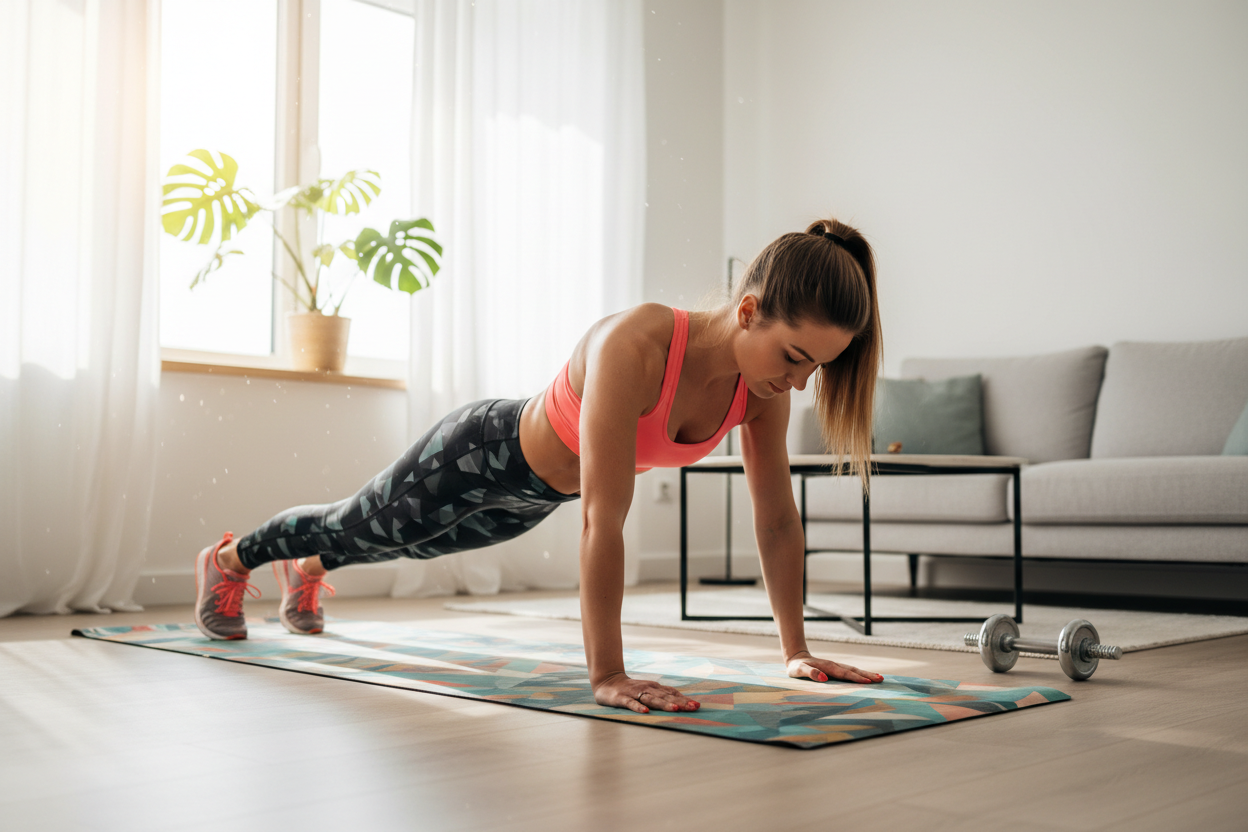
Push-ups are a foundational bodyweight exercise that engage the chest, shoulders, and triceps. Beginners can perform push-ups from the knees or against a sturdy wall to make the movement easier. Focus on keeping the body aligned and engaging the core for stability.
Incline Push-Ups
By placing the hands on an elevated surface like a bench or sturdy chair, incline push-ups lessen the load while still targeting the chest muscles. This variation is particularly useful for those building initial upper body strength.
Chest Press with Resistance Bands
Resistance bands are a versatile home workout tool. To do a chest press, secure the band behind you and press both hands forward, extending the arms until they are straight. Evidence suggests resistance bands can provide muscle stimulus comparable to free weights when used properly.
Floor Dumbbell Press
If you have light dumbbells available, lie on the floor, holding a dumbbell in each hand. Press the weights upwards until arms are extended, then lower slowly. This reduces shoulder strain compared to a bench press while still targeting the pectoral muscles.
Standing Chest Fly
Using resistance bands or light dumbbells, perform a standing fly by bringing arms together in front of the chest from an open position. This motion isolates the pectorals and enhances muscle tone with consistent practice.
Structuring Your Routine
A balanced approach would include performing 3–4 chest exercises for women at home, 2–3 times a week. Aim for 2–3 sets of 8–12 repetitions per exercise. Consistency, combined with gradual progression, helps strengthen and tone the chest effectively.
Additional Tips for Success
Nutrition plays a key role in muscle development. Adequate protein intake supports muscle repair after workouts. Rest days are equally important to prevent overtraining and allow recovery. Stretching after sessions can promote flexibility and reduce muscle stiffness.
Posture and Everyday Benefits
Stronger chest muscles contribute to more efficient functional movements, such as lifting, pushing, or carrying items. Over time, an improved chest workout routine can lead to enhanced upper body endurance, better posture, and reduced discomfort from sedentary habits.
Personal Experience
When I first started my chest workout for women at home, I noticed my posture improving after just a few weeks. Initially, even modified push-ups felt challenging, but consistent effort paid off. Resistance bands became a favorite tool since they were inexpensive, easy to store, and allowed me to progress without heavy weights.
Staying Motivated
Tracking progress through photos or a workout log can increase motivation. Celebrate small milestones, such as being able to perform a full set of standard push-ups, as this reflects tangible strength improvements.
By following safe, evidence-backed methods and maintaining consistency, chest exercises for women at home can yield long-term benefits for strength, posture, and daily activities. Minimal equipment, dedication, and proper technique form the core of an effective chest training routine.