How to Choose Chest Exercise Machines for Your Home Gym
Building a strong, well-defined chest does not require a commercial gym membership. With the right chest exercise machine for home use, you can perform targeted workouts that enhance strength, improve posture, and support upper body function. Selecting equipment based on proven functionality and available space ensures a more productive fitness routine.
Choosing the Best Chest Exercise Equipment for Home
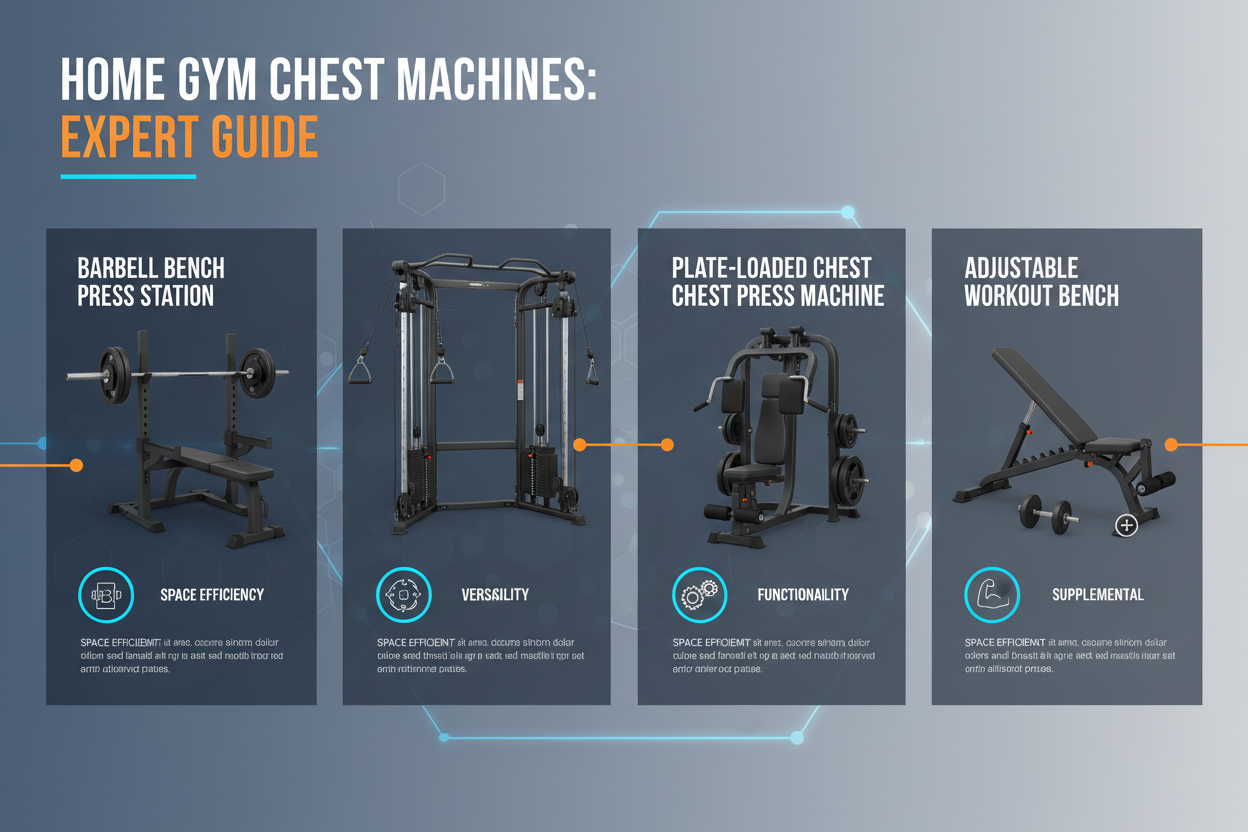
When evaluating the best chest exercise equipment, focus on factors like resistance type, adjustability, ergonomic design, and durability. Free weights such as dumbbells and barbells can be complemented by specific chest builder equipment like a cable machine or pec deck for more isolation. Machines often allow for safer movement patterns, especially for beginners or those training without a spotter.
Chest Builder Equipment for Comprehensive Training
Chest builder equipment typically targets the pectoral muscles from multiple angles. A multi-functional home gym station with a chest press module, adjustable cables, and fly attachments can provide a varied chest workout without requiring numerous separate devices. Adjustable benches combined with resistance bands or pulley systems can also deliver effective results.
Benefits of Chest Workout Tools at Home
Chest workout tools are designed to optimize muscle engagement while supporting correct posture. Unlike relying solely on bodyweight movements, machines can provide consistent resistance throughout a range of motion. For example, plate-loaded or selectorized chest presses engage both primary and stabilizing muscles, helping to build balanced strength.
Compact Chest Equipment for Home Use
Space constraints can be managed through compact designs. Foldable benches, wall-mounted resistance systems, and smaller cable units can fit well into apartments or limited workout areas. Investing in chest equipment for home that matches your living environment avoids clutter and encourages consistent use.
Evidence-Based Recommendations
Studies comparing machine-based chest exercises to free weight presses find both methods effective, though machines typically allow for safer isolation and reduced injury risk. For individuals recovering from injury or with joint issues, guided paths of motion offered by machines can be especially beneficial. Cable systems have also been found to promote consistent tension, which may assist in muscle hypertrophy.
Personal Experience With Home Gym Chest Equipment
In my own training routine, adding a compact cable crossover to my home setup offered significant improvement in chest contraction quality. Initially, I relied on push-ups and a standard bench press, but incorporating adjustable pulley angles helped target different chest regions more effectively. The convenience of working out at home has made it easier to maintain consistency.
Practical Tips for Selecting a Chest Exercise Machine
- Evaluate your fitness goals: strength, muscle size, endurance, or rehabilitation.
- Consider usable space—measure carefully before purchasing larger units.
- Prioritize stability and build quality to ensure longevity.
- Look for equipment with adjustable settings to customize your workout angles and resistance levels.
- Balance your budget with quality; lower-cost models may suffice but check materials and reviews.
Maintenance and Longevity
Regular cleaning, lubrication of moving parts, and checking bolts or cables will extend the life of your chest exercise machine for home use. Choosing equipment from reputable brands with accessible customer service can make repairs easier if necessary.
Conclusion
By carefully selecting chest workout tools that meet your needs and fit your available space, you can build a highly functional home fitness setup. Whether you opt for a full multi-gym with dedicated chest modules or compact chest builder equipment, prioritizing quality, safety, and adjustability ensures more effective and enjoyable workouts over the long term.