Balancing Leg Day, Chest Day, and Arm Day for Peak Results
Many fitness enthusiasts struggle with finding the right balance between training different muscle groups. Whether you prioritize strength, aesthetics, or overall performance, structuring your workout week effectively is key. Training routines such as leg day, chest day, and arm day—or incorporating chest day, leg day, back day—can help ensure you engage all major muscle groups while allowing ample recovery.
Understanding the Importance of Targeted Training
Dividing your training days based on muscle groups is an effective strategy for progress and injury prevention. A leg day focuses on building strength in the lower body, including the quads, hamstrings, glutes, and calves. Chest day zeroes in on pushing strength, primarily using compound movements like bench presses and push-ups. Arm day emphasizes both biceps and triceps, often featuring isolation exercises for sculpting.
Structuring Your Weekly Workout Plan
One common rotation is chest day, leg day, back day, which spreads the workload evenly and respects recovery needs. Pairing leg day back day arm day in your schedule is beneficial if you want to hit multiple areas while still allowing time for muscle repair. A balanced regimen could look like:
- Monday – Chest Day
- Tuesday – Leg Day
- Wednesday – Back Day
- Thursday – Arm Day
- Friday – Active Rest or Core Work
- Saturday – Optional Conditioning or Mobility
- Sunday – Full Rest
Why Recovery Matters
Training is only half the equation; recovery is where the real growth occurs. By alternating leg day chest day arm day through the week, you prevent overlap that could lead to muscle fatigue or injury. Rest days allow the central nervous system to reset and muscles to rebuild stronger than before.
Choosing Exercises for Each Training Day
For leg day, prioritize compound lifts such as squats, lunges, and deadlifts, followed by accessory work like calf raises. On chest day, combine heavy presses with chest fly variations for development and mobility. Arm day can include bicep curls, tricep dips, and preacher curls, ensuring both pushing and pulling strength are addressed.
Example Workouts
Leg Day: Barbell squats, Romanian deadlifts, walking lunges, leg press, calf raises.
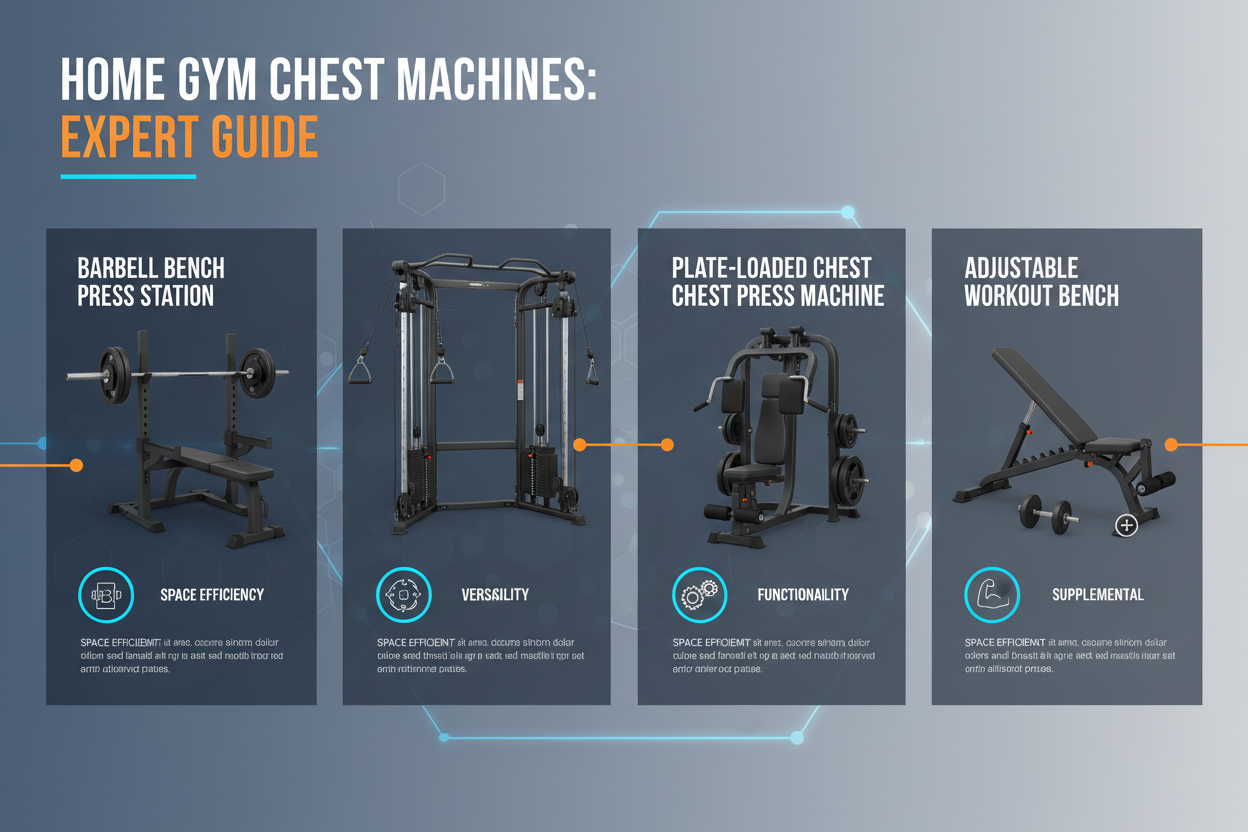
Chest Day: Flat bench press, incline dumbbell press, cable chest fly, push-ups.
Arm Day: Barbell curls, hammer curls, tricep rope pushdowns, skull crushers.
Personal Experience With Rotational Training
When I first started working out, I neglected balance in my training plan—focusing almost exclusively on upper body. After restructuring my routine to include consistent leg day, chest day, and arm day, I noticed improved posture, athletic performance, and reduced fatigue. Rotations like chest day, leg day, back day not only made my progress more consistent, but they also kept my workouts engaging and sustainable.
Tips to Maximize Your Routine
1. Maintain proper form during every exercise to prevent injury.
2. Adjust weight and repetitions according to your goals—strength or hypertrophy.
3. Keep track of your progress in a training journal.
4. Maintain balanced nutrition to support muscle recovery.
5. Respect rest periods between sets to optimize performance.
Final Thoughts
By adopting a structured approach with sessions like leg day back day arm day, you can achieve both strength and aesthetics while supporting long-term health. The key is consistent execution, adequate recovery, and a willingness to adjust based on how your body responds over time.