Chest Blast Workout: Power Up Your Upper Body Strength
Building a well-defined and strong chest requires strategic exercises, consistent effort, and the right training approach. A chest blast workout focuses on maximizing muscle activation, ensuring that your pectorals are engaged from multiple angles for optimal growth and performance. Whether you're an experienced lifter or new to training, understanding how to incorporate chest blast techniques can help you break through plateaus and see noticeable results.
Understanding the Chest Blast Concept
The term "chest blast" refers to a high-intensity training session designed to target the entire chest region in a short amount of time. This method often involves combining different pressing and fly variations into a single routine that challenges both strength and endurance. By pushing your chest muscles to work harder, you stimulate muscle fibers in a way that promotes growth and improved definition.
Core Benefits of a Chest Blaster Routine
A chest blaster workout takes the principles of muscle overload and applies them across multiple exercises. Here are some benefits:
- Targets upper, middle, and lower pectorals for balanced development.
- Improves muscle endurance while building raw strength.
- Boosts aesthetic appearance with a fuller chest look.
- Enhances pushing power beneficial for other lifts and sports.
Essential Exercises for a Complete Chest Blast
To achieve maximum results, your chest blast workout should include both compound and isolation movements. Commonly used exercises include:
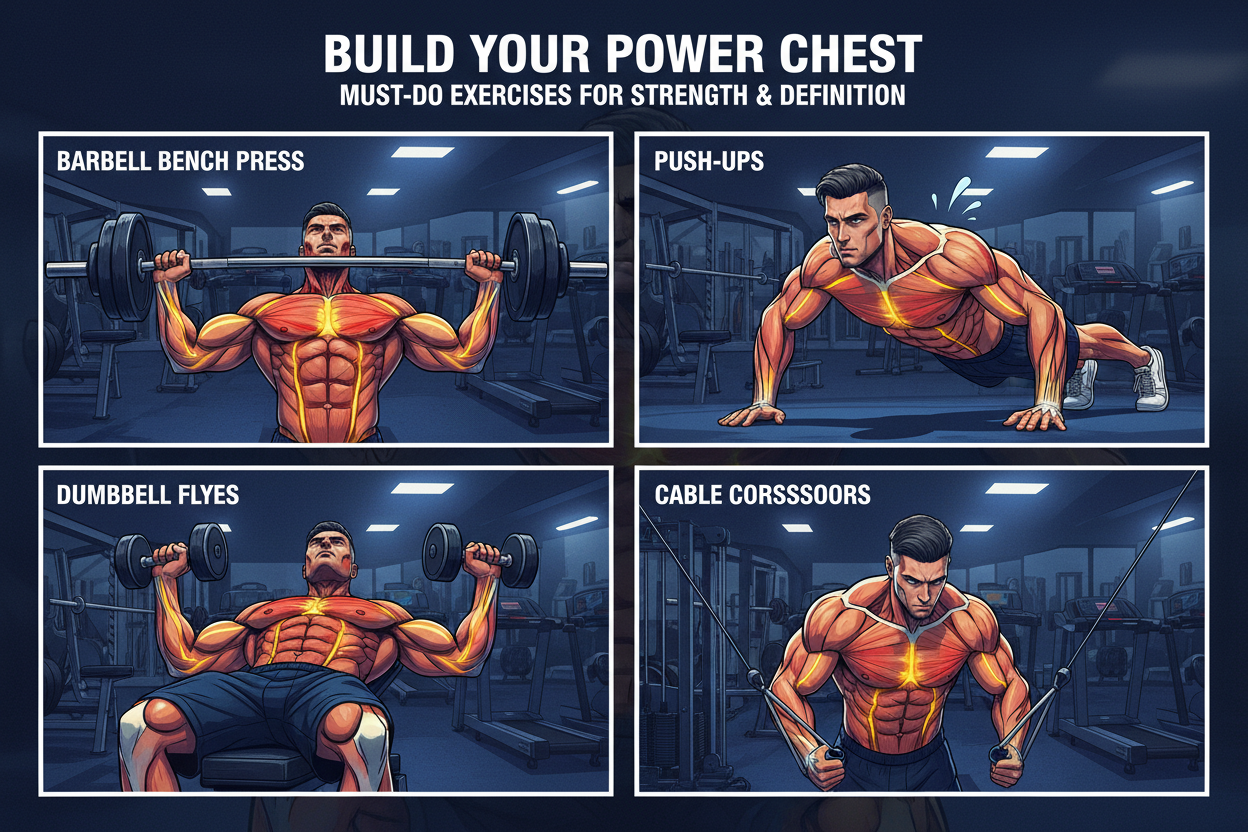
Barbell Bench Press
Often considered the foundation of chest training, the bench press allows for heavy loading and progressive overload. Aim for a controlled descent and explosive press upwards to engage maximum muscle fibers.
Dumbbell Fly
Dumbbell flys stretch the chest muscles and activate fibers that pressing movements might miss. Focus on slow, controlled movements for optimal engagement.
Incline Bench Press
This variation targets the upper pectorals, giving your chest a more sculpted and lifted appearance. Adjust the bench angle between 30 to 45 degrees for best results.
Push-Ups with Resistance
Adding bands or weighted vests to push-ups increases intensity, making them a valuable part of any chest blast session, especially if you train at home.
Structuring a Chest Blast Session
A chest blaster workout is generally intense and should be done 1-2 times per week to allow adequate recovery. A sample routine can include:
- Warm-up: 5-10 minutes of dynamic stretching and light push-ups.
- Barbell Bench Press: 4 sets of 8 reps.
- Incline Dumbbell Press: 4 sets of 10 reps.
- Cable Fly or Dumbbell Fly: 3 sets of 12 reps.
- Weighted Push-Ups: 3 sets to failure.
- Cool-down: Stretching to maintain flexibility.
Training Tips for Best Results
Proper form is essential—lifting too heavy with poor technique increases injury risk. Use slow, controlled motions, focusing on squeezing your chest at the top of each movement. Maintain a slight bend in your elbows during fly exercises, and always warm up before heavy lifts to protect your joints.
Nutrition and Recovery
Muscle growth happens during recovery, not just during training. Ensure you consume adequate protein, sleep well, and allow 48-72 hours between chest workouts. Hydration and balanced macros also contribute to better performance and muscle repair.
My Experience with Chest Blast Workouts
When I first incorporated chest blast sessions into my routine, I noticed immediate improvements in muscle engagement and definition. I had been stuck at the same bench press weight for months, but these focused and intensive workouts reignited progress. The variety in exercises kept training mentally engaging, and after eight weeks, my chest felt stronger and looked fuller than ever before.
Common Mistakes to Avoid
Overtraining is one of the most frequent mistakes with high-intensity routines. Doing chest blast workouts too often can hinder recovery. Another error is neglecting other muscle groups—balance between push and pull exercises is important to avoid muscular imbalances.
Final Thoughts
Incorporating a chest blast workout or chest blaster session into your weekly schedule can accelerate your progress and bring visible changes to your chest structure. Combine careful exercise selection, proper technique, and adequate recovery, and you'll be on your way to a stronger, more defined upper body.