Can You Work Out Your Glutes Every Day? (A Reality Check)
I’ve spent a lot of time in my garage, surrounded by iron and the smell of stall mats, trying to figure out what actually works. You’ve probably seen the same thing I have: influencers posting their everyday glute workout routines, making it look like you need to be doing 500 air squats before breakfast. But after years of loading plates and testing every piece of equipment from hip thrust pads to resistance bands, I’ve realized most of that is just noise. If you’re wondering can you work out your glutes every day, the short answer is: you can, but you probably shouldn’t if you actually want to see results.
- Frequency: 2-3 times per week is the sweet spot for most lifters.
- Recovery: Muscle grows while you sleep, not while you’re sweating.
- Intensity: If you can train daily, you aren’t lifting heavy enough.
- Efficiency: 45 minutes of heavy compound movements beats 2 hours of kickbacks.
The Seductive Trap of the Everyday Glute Workout
Social media loves the grind. It’s easy to get sucked into the idea that more is always better, especially when you see people doing banded kickbacks every single morning. This creates a temporary pump—blood rushing to the muscle—which feels great in the mirror but doesn’t necessarily mean you’re building new tissue. Chasing a glutes everyday aesthetic often leads to burnout before it leads to progress.
Real growth requires mechanical tension. That means moving heavy weight through a full range of motion. If you’re doing a workout glutes everyday routine with light resistance, you’re mostly just building endurance. You’re chasing a burn, but you’re leaving the actual gains on the table because you aren’t giving your central nervous system a break. Your glutes aren't magic; they need rest just like your chest or back.
The Brutal Truth: Can You Work Out Your Glutes Every Day?
Here is the biological reality: muscle hypertrophy happens when you create micro-tears in the muscle fibers and then allow them to repair. This repair process—muscle protein synthesis—usually takes about 36 to 48 hours. If you hit the gym again before that process is finished, you’re just tearing down a house while the foundation is still wet. It’s counterproductive and a waste of your time.
Is it bad to workout your glutes everyday? If you’re doing high-intensity sessions, yes. You’ll hit a wall of overtraining faster than you think. If you find that you can do a glute workout everyday without feeling trashed, it’s a sign your intensity is too low. You’d get better results by doubling the weight on your barbell and cutting your frequency in half. Real strength is built in the recovery phase.
How Often Should You Workout Legs and Glutes Instead?
I get asked all the time: how many times a week should i do booty workout? For 90% of the lifters I talk to, training legs and glutes 3 times a week is the gold standard. This allows you to rotate between heavy compound days—think 300-lb deadlifts or deep squats—and accessory-focused days like hip thrusts and lunges. This frequency ensures you hit the muscle hard but still have days off to recover.
When you space things out, you can actually put serious weight on the bar and move it with intent. If you need help structuring these sessions, check out our Workout Hub for routines that actually respect your recovery time. How often to do glute exercises depends on your ability to recover, but three days of high-quality work will always beat seven days of mediocre effort. Knowing how often should you workout legs and glutes is the first step to actually seeing the scale or the mirror move.
How Long Should a Glute Workout Last?
People often ask me, 'how long should my glute workout be?' They expect me to say two hours. The truth? If you’re training with high intensity, 45 to 60 minutes is plenty. Anything beyond that usually turns into junk volume—reps that make you tired but don’t actually stimulate more growth. I've seen more progress from people doing four heavy sets than those doing twenty light ones.
Quality trumps duration every single time. I’ve seen people spend two hours doing 15 different variations of a cable kickback, when they could have gotten more work done with four sets of heavy RDLs in 20 minutes. If you’re just starting out, it’s easy to overcomplicate things, but remember that how long should a beginner exercise isn’t about the clock—it’s about the effort you put into the sets that matter. Stop counting the minutes and start counting the quality of your reps.
Building a Home Routine That Actually Recovers
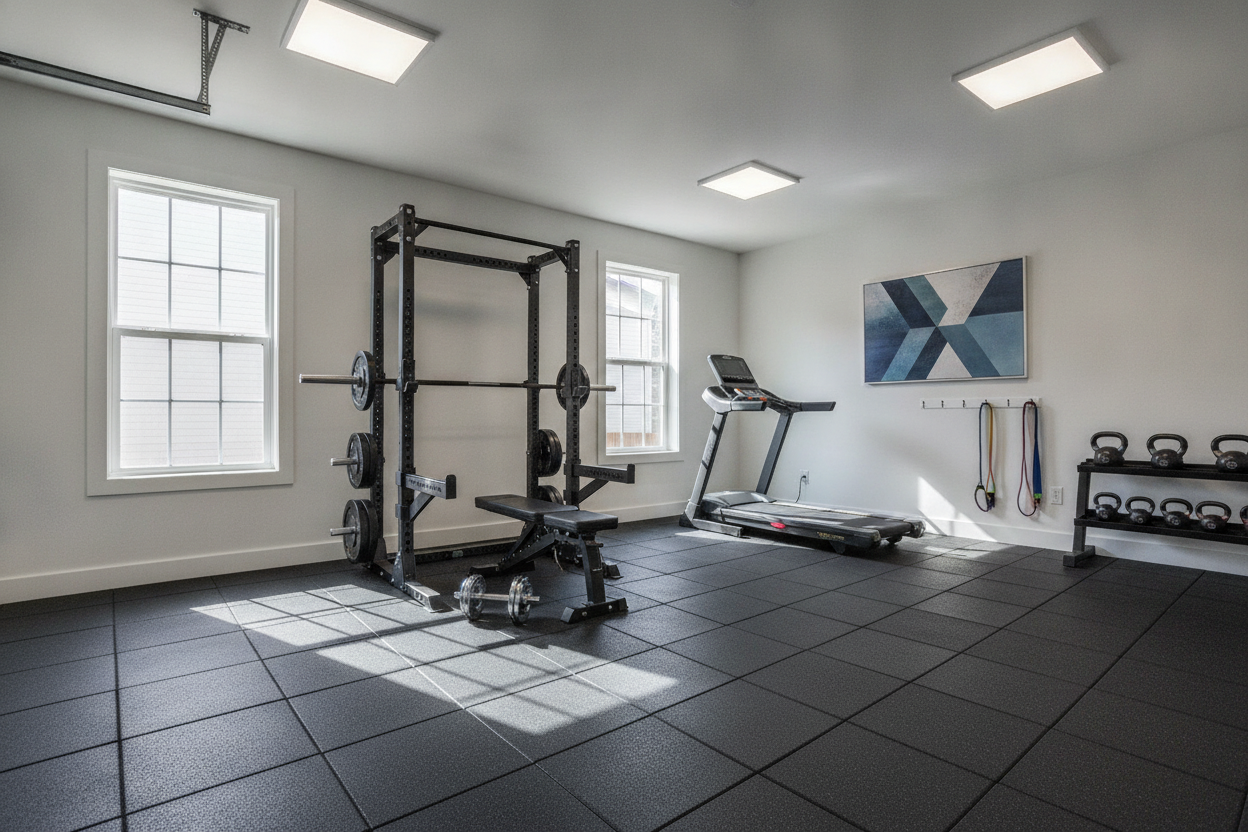
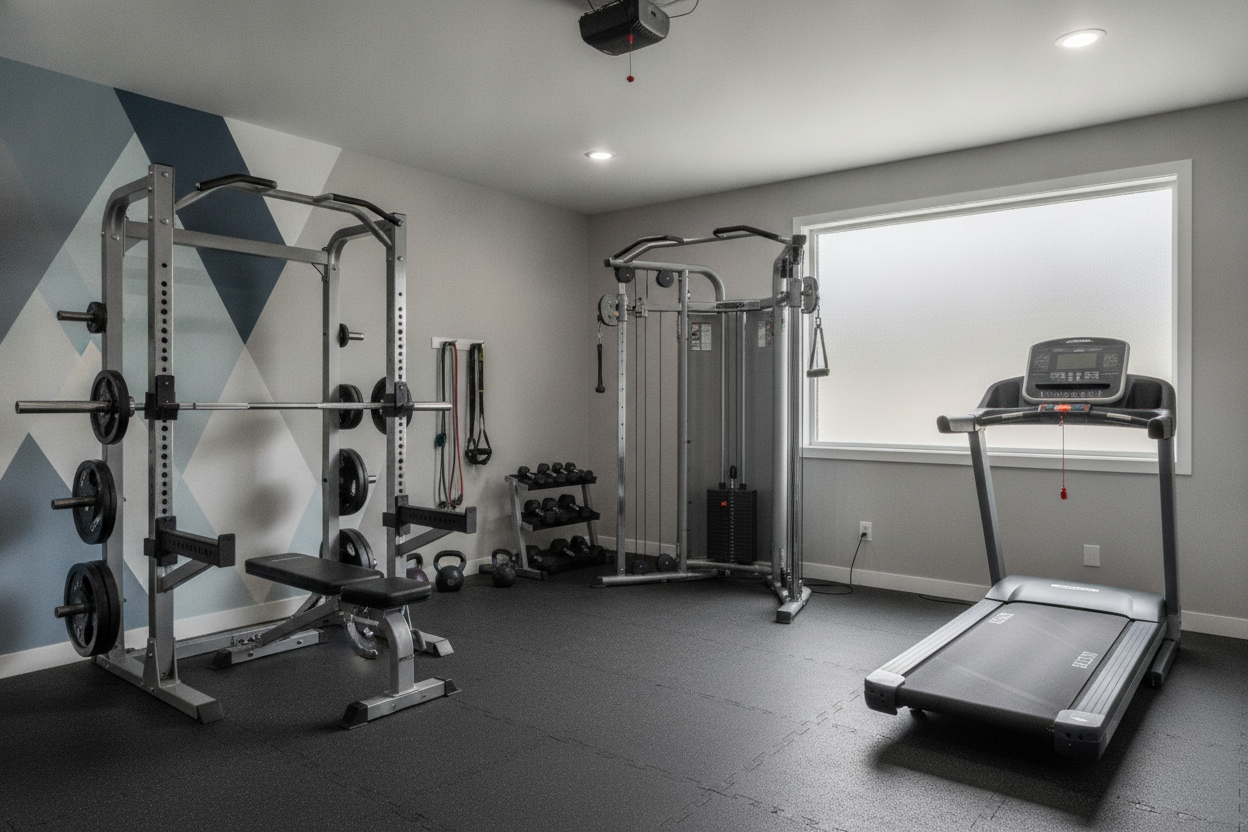
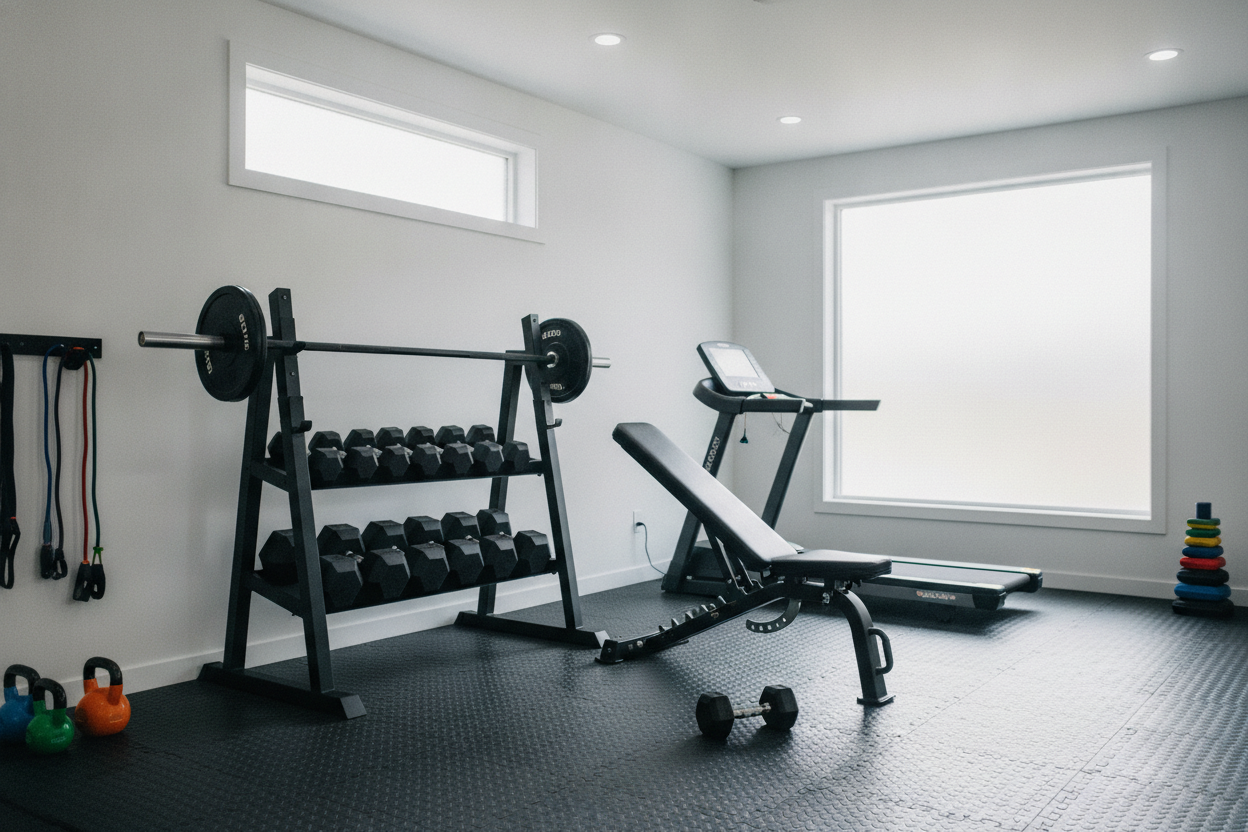
If you’re training at home, stop relying on flimsy floor exercises. You need a setup that allows for heavy, load-bearing movements. Get a solid barbell, a rack, and most importantly, stable gym flooring for home workout. You can’t safely pull a heavy deadlift or perform a Bulgarian split squat if your feet are sliding around on carpet or cheap, squishy foam.
Invest in equipment that lets you push your limits. A 3/4-inch rubber mat and a pair of heavy adjustable dumbbells can do more for your posterior chain than any 30-day glute challenge ever will. Focus on progressive overload—adding a little more weight or one more rep each week—and give yourself at least one full day of rest between lower-body sessions. That is the secret to how often glute workout sessions should happen.
Personal Experience: My Overtraining Mistake
A few years back, I fell for the more is better trap myself. I was hitting heavy squats or pulls nearly five days a week because I thought I was built different. My glutes were always sore, but my numbers weren’t moving. I was tired, my sleep sucked, and I eventually tweaked my lower back because I was too fatigued to keep my form tight. I cut back to three days of lower-body work, focused on heavy RDLs, and my strength exploded. Recovery isn’t being lazy; it’s part of the job.
FAQ
How many glute workouts a week is best?
Two to three sessions per week is ideal. This provides enough stimulus for growth while allowing 48-72 hours of recovery between sessions.
Can I do glute exercises everyday if they are bodyweight?
You can, but it’s mostly active recovery or endurance work. It won’t build significant muscle size compared to weighted movements done less frequently.
How often to workout legs and glutes for maximum growth?
Stick to a 3-day split. Focus on one heavy compound lift per session and 2-3 accessory movements. Consistency over intensity-overload is the key to long-term progress.