Can You Build Strength Training Muscle Mass Without Machines?
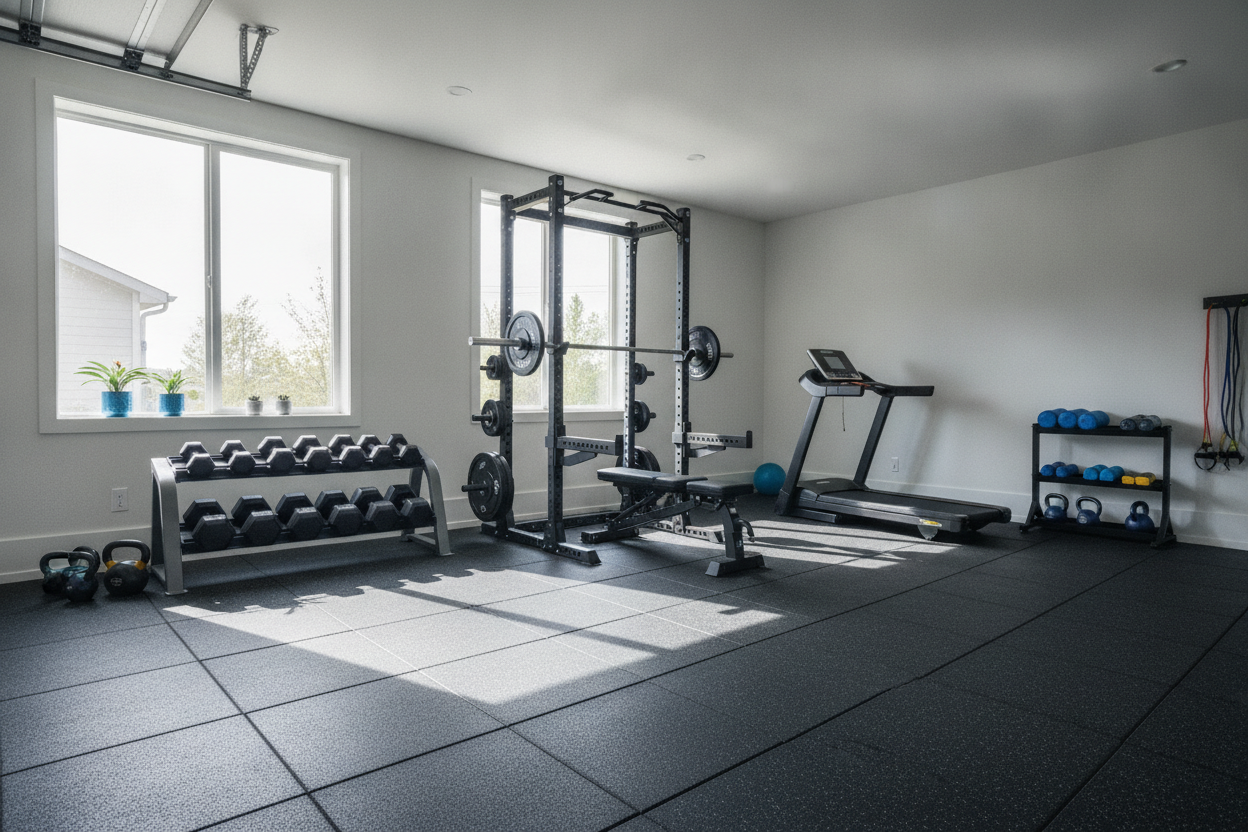
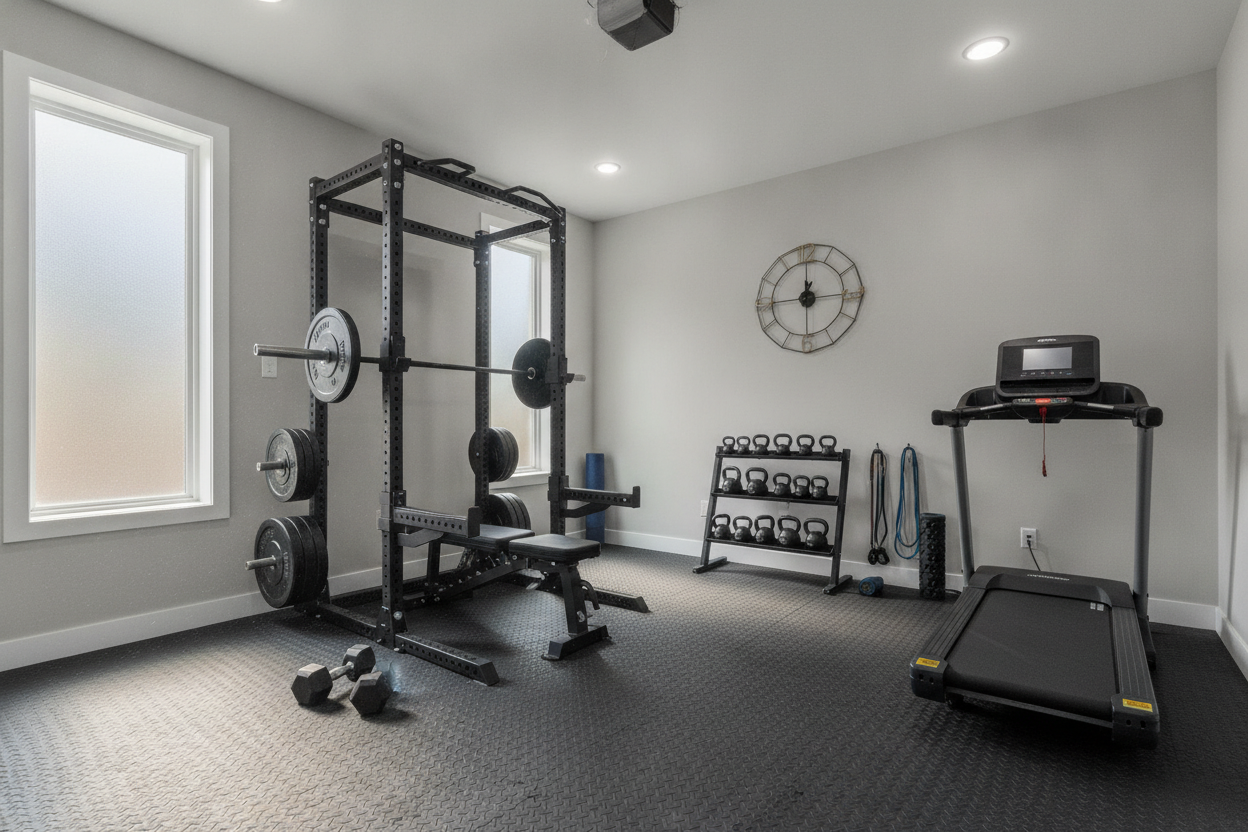
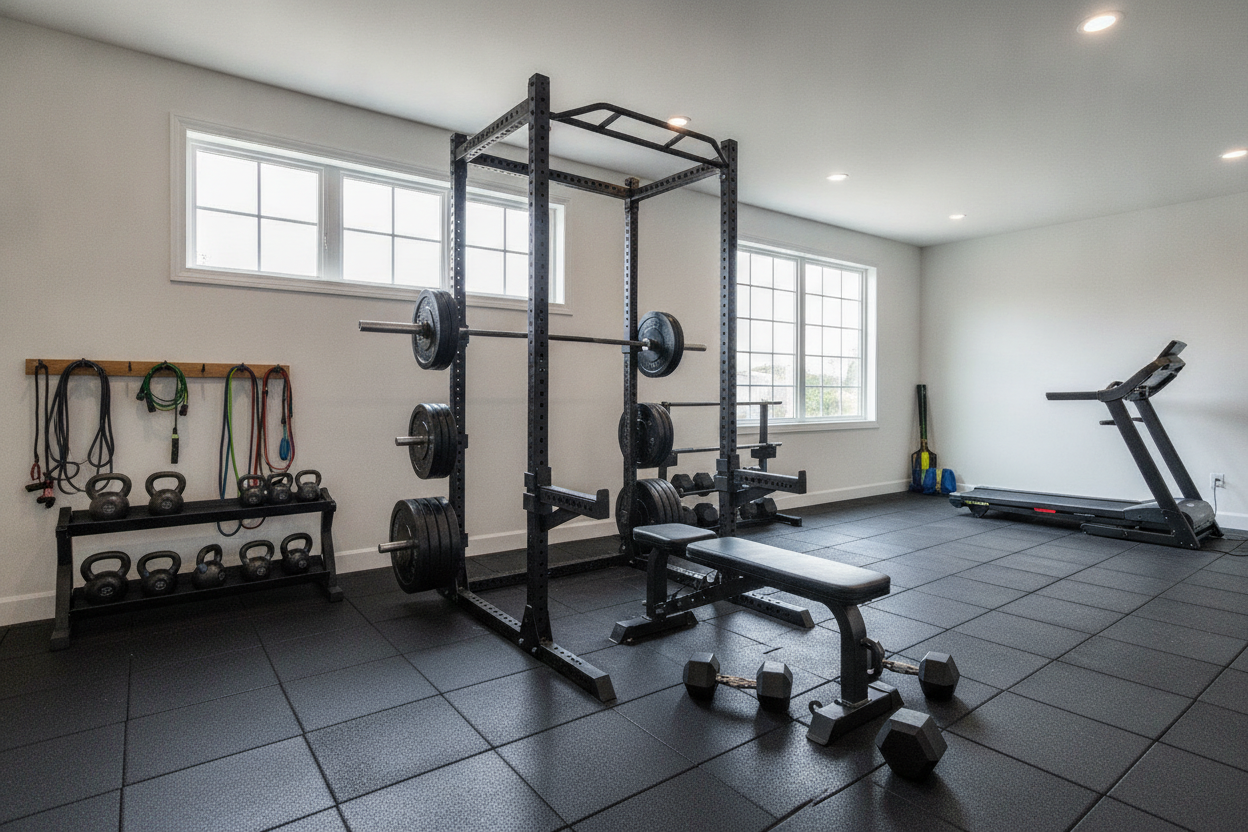
I remember the day I finally quit my commercial gym. I was tired of the fluorescent lights, the 'no chalk' policy, and waiting twenty minutes for a power rack while someone used it as a tripod for their phone. I went home, cleared the junk out of my garage, and realized I had everything I needed to build strength training muscle mass right there on the concrete floor.
- Compound lifts like the squat and deadlift are the most efficient way to trigger hypertrophy.
- Progressive overload is the only metric that truly matters for long-term growth.
- Free weights recruit more stabilizer muscles than machines, leading to a thicker physique.
- A high-quality, stable bench is non-negotiable for heavy pressing.
The Big Lie About Building Size at Home
Bodybuilding magazines have spent decades convincing us that we need a $5,000 cable crossover and a dedicated leg press machine to see any real growth. It is a total fabrication designed to sell memberships and expensive equipment. The truth is, your muscles don't know if you're using a fancy Italian-made machine or a rusty barbell you found on Marketplace.
When I moved my training to the garage, I stopped focusing on 'isolating' every tiny muscle fiber and started moving heavy weight through big, compound ranges of motion. I finally built strength training muscle mass that actually stuck around, rather than just chasing a temporary pump that vanished by the time I finished my post-workout shake. Home gym hypertrophy is about efficiency—using the best tools for the job without the fluff.
How Does Strength Training Build Muscle, Actually?
I get asked this constantly: how does strength training build muscle when you aren't doing 40 sets of isolation work? It comes down to mechanical tension. When you put a heavy load on your muscles, you create micro-tears in the tissue. Your body responds by repairing those fibers to be thicker and stronger so it can handle that stress next time. This is why how does weight training build muscle is a question with a simple answer: consistency and heavy iron.
If you're wondering will strength training build muscle as effectively as a bodybuilding split, the answer is a resounding yes—provided you eat enough. You need to understand Does Training for Strength Build Muscle? An Honest Answer to realize that strength and size are two sides of the same coin. By forcing your central nervous system to adapt to heavier loads, you are fundamentally changing your body's capacity for strength training muscle growth. People often ask does strength training build muscle or does strength training build muscle mass, and they're usually overcomplicating it. Pick up something heavy, put it down, and do it again next week with five more pounds.
The 'Heavy 5s vs. Burnout 15s' Debate
In a garage gym, you are your own spotter. This changes the math. While high-rep sets to failure have their place, they are incredibly taxing on the recovery systems and can be dangerous when you're training alone. I've found that focusing on 'Heavy 5s'—sets of five reps with 75-85% of your max—is the sweet spot for strength training muscle growth. It provides enough volume to trigger hypertrophy without the systemic fatigue that comes from grinding out 20-rep sets of squats.
Heavy compound lifts like the overhead press and the deadlift build a level of 'density' that you just can't get from machines. When you have to stabilize a 200-lb barbell over your head, every muscle from your traps to your calves is screaming. That full-body tension is why how does strength training build muscle so much more effectively for the average person than a chest-supported machine press ever could.
The Bare Minimum Gear You Need for Maximum Mass
You don't need a massive budget, but you do need gear that won't fail when you're under a heavy load. I've seen guys try to build a home gym with cheap, hollow-point bars and plastic-coated plates. It doesn't work. To trigger real hypertrophy, you need heavy-duty strength equipment that can handle 300, 400, or 500 pounds without bending or wobbling. Stability is the foundation of force production.
Free weights are superior for home use because they force your stabilizer muscles to work. This leads to a more 'complete' look. Think about the difference between a machine chest press and a barbell bench press. With the barbell, your triceps, shoulders, and even your lats have to fire to keep that bar on a straight path. That extra work adds up to more total muscle mass over a six-month training block.
Why Your Bench Is the Unsung Hero of Hypertrophy
If you're pressing on a bench that feels like a wet noodle, your brain will literally stop your muscles from firing at 100%. It's a safety mechanism. I learned this the hard way with a $50 bench that creaked every time I moved. Switching to a Gxmmat Adjustable Weight Bench was a revelation. With a 2.5-inch thick pad and a frame that doesn't budge, I could finally focus on driving the weight up instead of trying not to tip over.
A solid bench allows for better leg drive and a more stable platform for your shoulder blades. This stability is what allows you to move the kind of weight required for strength training muscle mass. If you want a big chest, stop worrying about the latest pec-deck machine and get a bench that makes you feel like you're lying on a rock.
My Garage Gym Blueprint for Thick, Dense Muscle
Building mass in a garage is about the 'Big Four': Squat, Bench, Deadlift, and Press. My philosophy is simple: hit each of these once or twice a week. Add accessory work like pull-ups, rows, and dips to fill in the gaps. You don't need a complex periodization scheme or a 12-week 'transformation' program. You need a logbook and a willingness to suffer a little bit in the heat or the cold of your garage.
The final piece is recovery. You build muscle while you sleep and eat, not while you're lifting. If you want to see strength training muscle growth, you have to feed the machine. I made the mistake of trying to 'stay lean' while building my gym, and I stayed the same size for a year. Once I started eating for performance, the muscle followed the strength.
Personal Experience: The 'Bargain' Lesson
I once bought a pair of adjustable dumbbells from a random site because they were $100 cheaper than the name brand. On my second set of heavy rows, the locking mechanism failed, and 40 pounds of iron plates crashed onto my foot. I spent three weeks in a walking boot. I learned that day that in the world of iron, you get what you pay for. Buy the good stuff once, or buy the cheap stuff and a trip to the ER.
FAQ
Can strength training build muscle?
Absolutely. It is the most reliable way to build permanent muscle tissue. By focusing on getting stronger, you ensure that the muscle you build is functional and dense.
How does weight training build muscle?
It creates mechanical tension and metabolic stress. Your body adapts to the 'threat' of heavy weight by building more muscle fibers to handle the load in the future.
Do strength training build muscle as fast as bodybuilding?
For most people, yes. While bodybuilders focus on aesthetics, the strength-first approach often leads to faster gains for naturals because it prioritizes the most 'anabolic' movements like squats and deadlifts.