Are the Best Exercises for Women's Legs Really That Complicated?
I remember scrolling through social media last night and seeing a fitness influencer doing a 'glute-focused' squat while balancing on a BOSU ball and holding a resistance band between her teeth. It makes you wonder if the best exercises for women's legs have to be this theatrical to actually work. I've spent a decade in my own garage gym, testing every piece of gear and every 'revolutionary' program that hits the market, and I've found that the more you complicate things, the slower your progress becomes.
Tired of paying for a gym membership just to wait in line for the leg press? I've been there. I've also been the person buying every 'as seen on TV' gadget that promised a lower body transformation in ten minutes. The truth is much simpler, much harder, and significantly more effective than any circus trick you'll see on your feed.
Quick Takeaways
- Stop chasing novelty; the basics like squats and deadlifts are undefeated for a reason.
- You don't need a gym full of machines to get results; free weights are often superior.
- Progressive overload is the only way to see actual muscle growth.
- Consistency beats a 'confused' muscle every single time.
Why We Keep Falling for Complicated Leg Day Routines
The fitness industry has a vested interest in making you think training is a mystery. If it were simple, they couldn't sell you a new 12-week 'booty blast' program every season. Influencer culture thrives on the 'one weird trick' mentality, leading many to believe that the search for the best lower body exercises women can do is about finding a movement no one has ever seen before. In reality, that novelty usually stalls your muscle growth.
When you switch exercises every week to 'keep the muscles guessing,' you never actually get good at anything. You spend your time figuring out the balance and coordination of a movement rather than pushing the intensity. This constant search for variety is a trap. I've seen more progress from women doing the same four lifts for six months than from those who change their routine every Monday. If you're doing cable kickbacks from six different angles but can't squat your own body weight, your priorities are upside down.
The Real Secret to Growth is Ruthless Consistency
Progressive overload sounds like a dry textbook term, but it is the literal engine of change. It means doing slightly more than you did last time. Whether it’s five more pounds on the bar, one more rep with the same weight, or even just improving your form so the weight feels easier—that is the signal your body needs to grow. When you stick to the same lifts week after week, you can actually track that progress in black and white.
This is the most effective way to build lean muscle with the best lower body exercises for women. If you aren't writing down your numbers, you're just guessing. I keep a beat-up notebook in my gym. Seeing that I can now Romanian Deadlift 155 pounds for 10 reps when I started at 65 is a better high than any 'new' exercise could ever provide. It’s not about variety; it’s about mastery. You want your legs to change? Make them do something they couldn't do last month.
Ditching the Machines: My Barebones Home Gym Setup
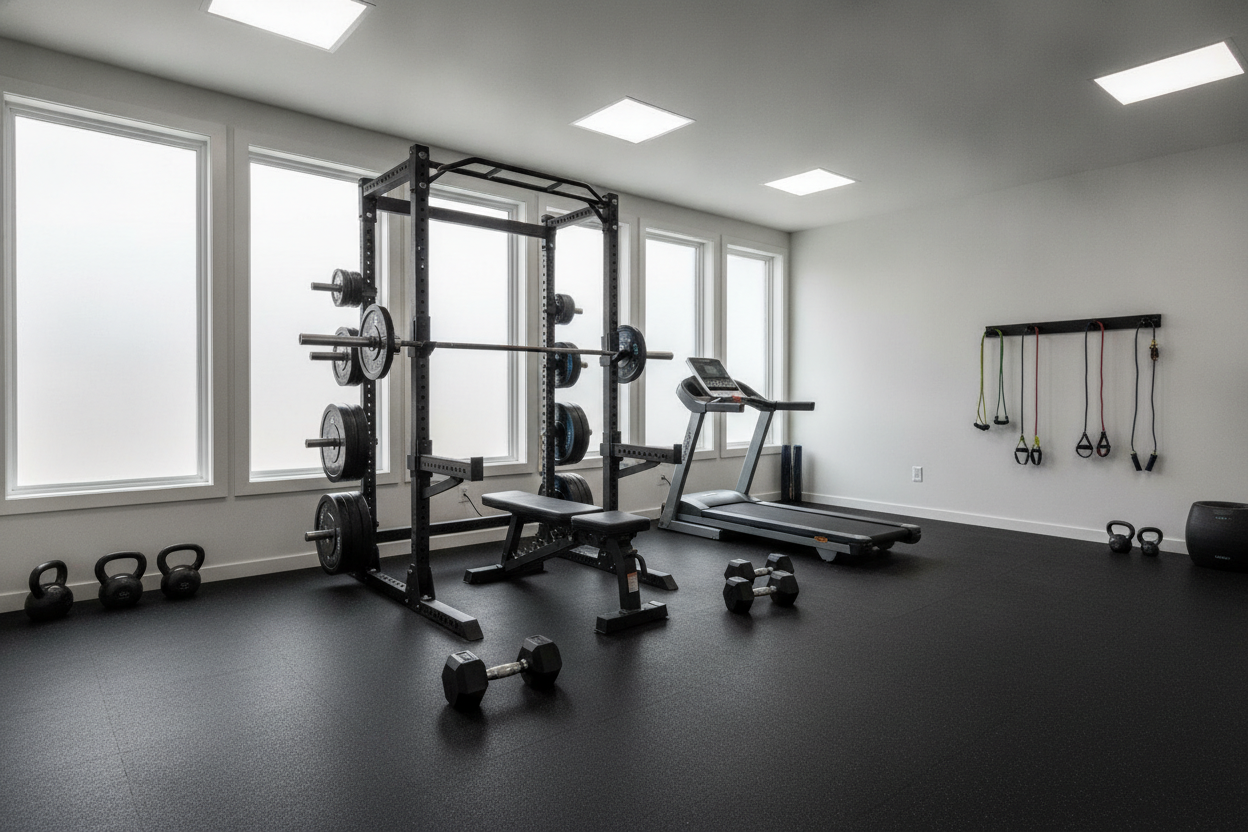
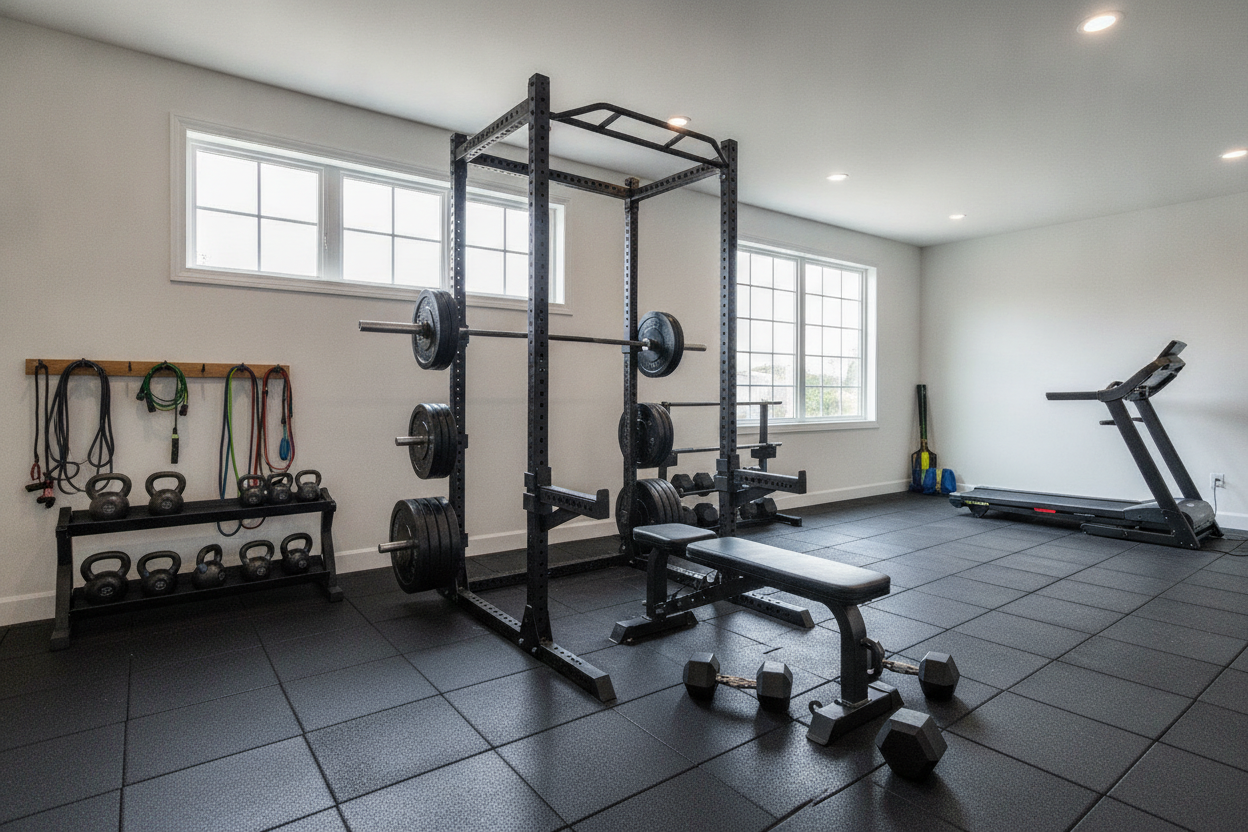
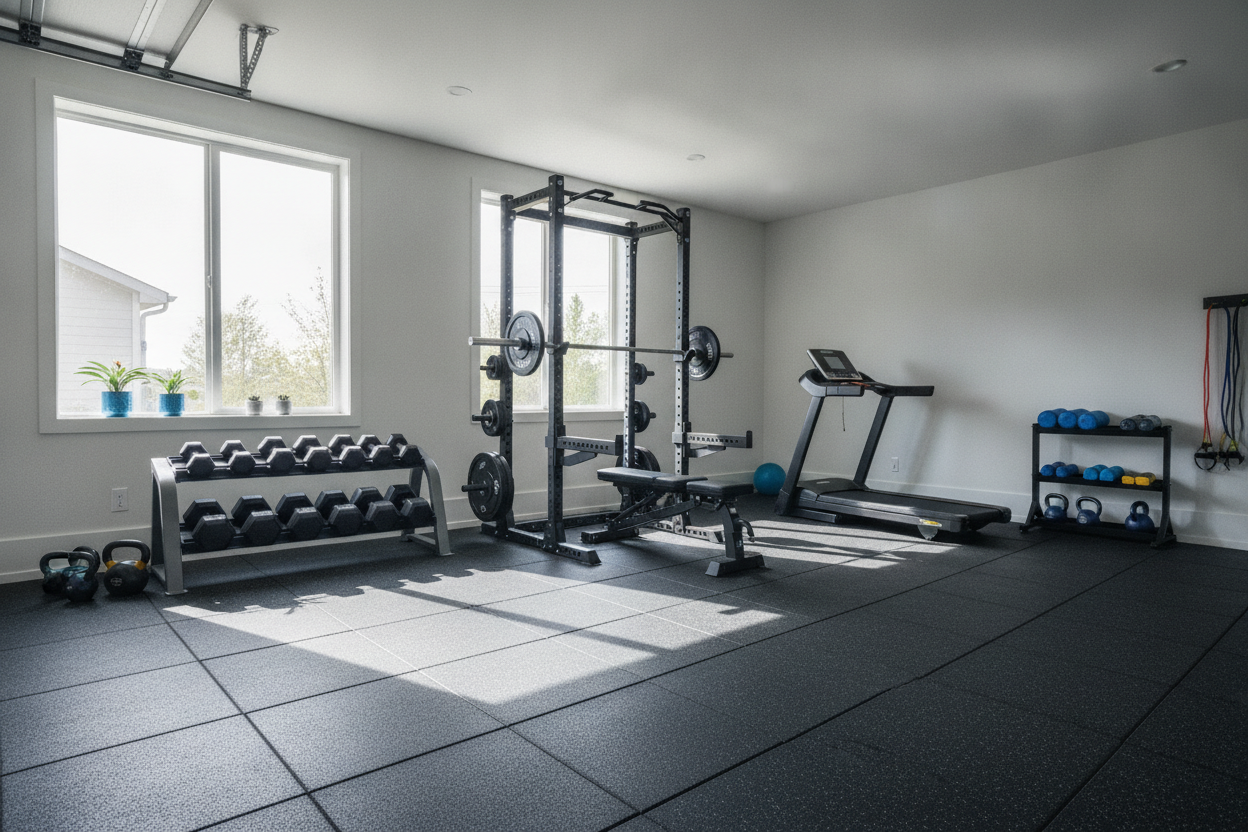
You don't need a massive commercial lower body strength machine taking up half your garage or basement. I spent years thinking I needed a leg press and a hack squat machine to see growth. I was wrong. A solid pair of adjustable dumbbells or a barbell is enough to wreck your legs if you use them right. Free weights force you to use your stabilizer muscles, which leads to better overall functional strength and a more balanced physique.
One thing I won't compromise on is the surface I'm standing on. I highly recommend investing in the best large exercise mat you can find. Trying to do heavy lunges on a slippery hardwood floor or a thin, bunchy yoga mat is a recipe for a twisted ankle. You need a stable, non-slip surface that lets you drive through your heels without the floor shifting under you. A high-density rubber mat also protects your joints when you're dropping into deep squats or performing explosive movements.
The Only 4 Moves You Actually Need to Master
Here is your blueprint for lower body strength. First, the Goblet Squat. By holding the weight at your chest, you're forced into an upright torso, which hits the quads hard and is much easier on the lower back for beginners. Second, the Romanian Deadlift (RDL). This is the gold standard for your posterior chain. Focus on the hinge—push your hips back like you're trying to close a car door with your glutes.
Third, the Bulgarian Split Squat. Yes, everyone hates them because they're brutal, but they fix imbalances like nothing else. Elevate your back foot on a bench and drop your back knee toward the floor. Finally, the Weighted Step-Up. Use a sturdy box or bench, lean slightly forward to engage the glutes, and don't use your back foot to 'boing' off the ground. These are the core leg strengthening exercises for women that actually move the needle. If you can't get a workout done with these four, you're not working hard enough.
How to Program This Without Losing Your Mind
Doing the same four moves might sound boring, but that's where the results live. To keep these best lower body workouts women can do interesting, you play with the variables, not the exercises. One month, focus on a 3-second eccentric (the lowering phase) to increase time under tension. The next month, try to hit a new 5-rep max. The goal is to keep the stimulus high without needing a whole new library of movements.
I usually structure my leg days twice a week. One day focuses on the squat and the step-up (quad dominant), and the other focuses on the RDL and the split squat (posterior dominant). Keep it simple, keep it heavy, and for heaven's sake, keep it consistent. Your legs don't need to be 'confused'; they need to be challenged.
Personal Experience: My 'Toning' Mistake
I once bought a 'thigh master' style contraption from a late-night infomercial because I thought it would target my inner thighs better than squats. It sat in my closet for two years before I sold it for five bucks at a yard sale. My biggest mistake was thinking I could 'tone' without getting strong. Once I stopped fearing heavy weights and started focusing on my squat depth, my legs changed more in three months than they had in the previous three years of 'toning' classes. Don't be afraid to add weight to the bar.
FAQ
How many times a week should I train legs?
Twice is the sweet spot for most. It allows for enough intensity and enough recovery time for the muscle fibers to actually repair and grow.
Do I need heavy weights to see results?
'Heavy' is relative to your current strength. The weight should be heavy enough that the last 2 reps of your set are difficult to finish with perfect form.
Will heavy lifting make my legs look bulky?
No. Building significant bulk requires a massive calorie surplus and years of dedicated hypertrophy training. For most women, lifting heavy results in a leaner, more defined look.