Can Easy Exercises Actually Transform a Total Beginner?
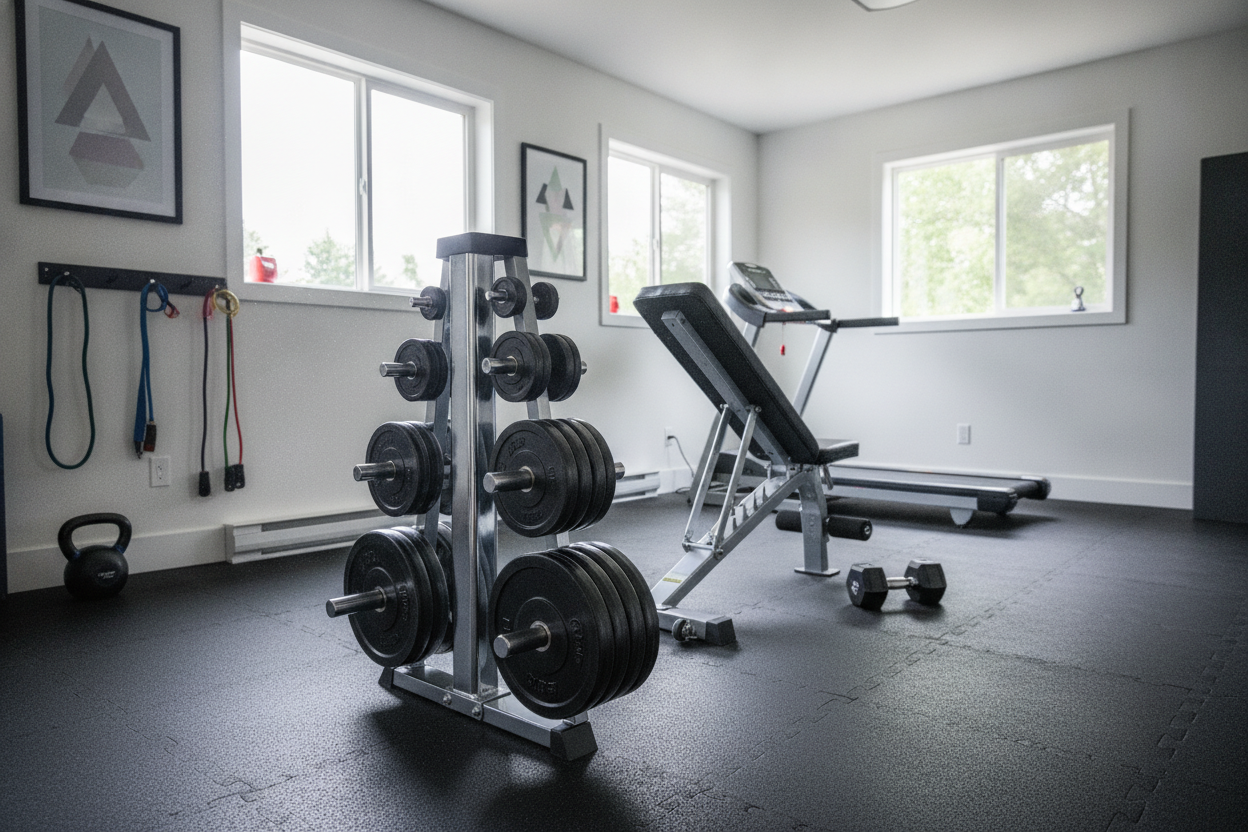
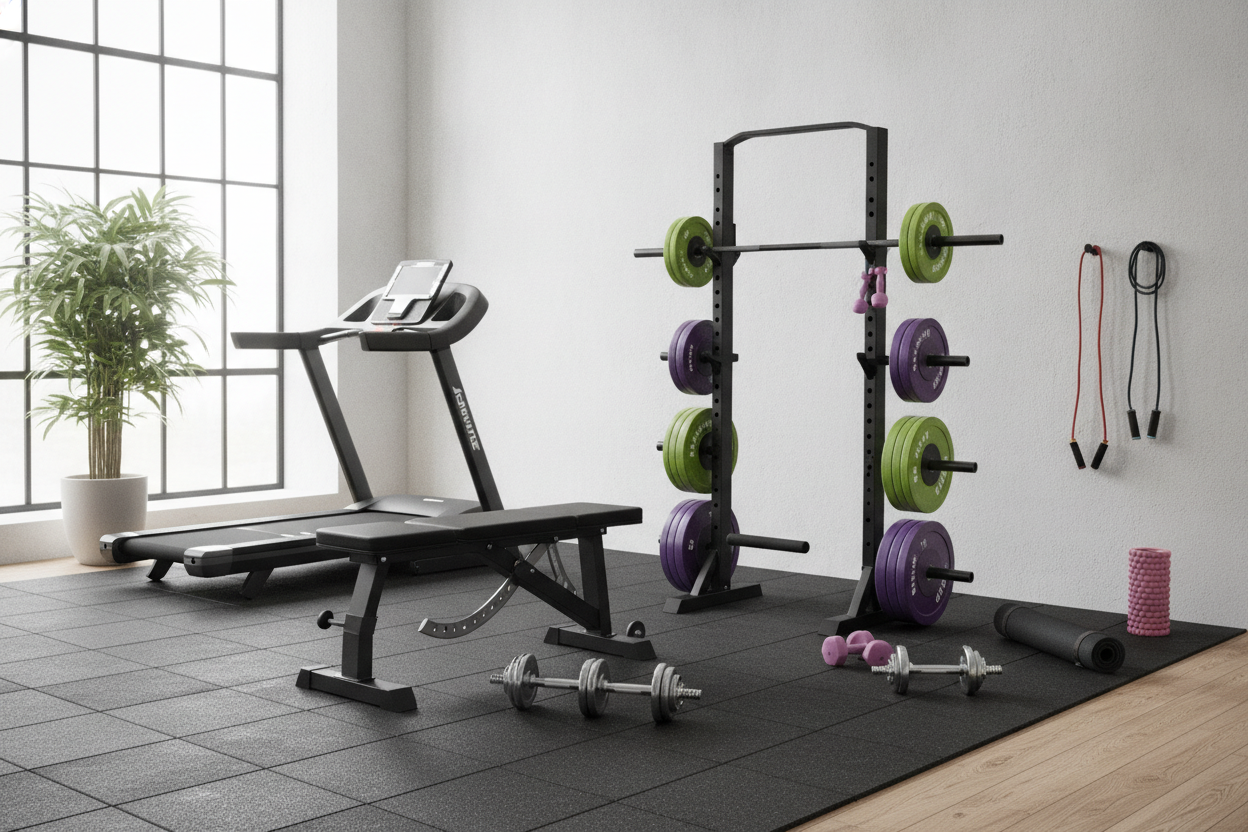
I remember staring at a brand new, $900 power rack I’d just bolted into my garage floor, feeling like a total fraud. I wasn't ready to move heavy iron, but the internet told me if I wasn't puking in a bucket or hitting a new PR every week, I wasn't 'training.' That is a load of garbage. Starting your journey with easy exercises isn’t a cop-out; it is the only way to ensure you don't quit by week three.
Quick Takeaways
- Consistency beats intensity every single time for long-term results.
- Low-intensity movement preps your tendons and ligaments, which heal slower than muscle.
- Lowering the 'mental friction' of a workout prevents the dreaded burnout.
- You don't need a 300-lb barbell set to start seeing physiological changes.
The 'No Sweat' Fallacy: Why We Feel Guilty
Our fitness culture is obsessed with the 'grind.' We’ve been conditioned to think that a 15-minute session of simple and easy exercise is a waste of time. I’ve seen guys buy top-tier Rogue gear only to let it collect dust because they thought every session had to be a soul-crushing ordeal. They burned out in a month.
If you are a novice, your central nervous system is essentially a dial-up modem trying to run a high-speed fiber-optic program. You need to grease the groove. Choosing a low-intensity path isn't laziness; it is a strategic adaptation phase. You are teaching your brain how to move your limbs without the added stress of heavy loads or high heart rates.
What Actually Happens When You Don't Go Hard?
When you keep your heart rate in a manageable zone, you aren't just 'taking it easy.' You are performing structural hardening. Muscles get blood flow easily and adapt quickly, but your tendons and ligaments are stubborn. They take significantly longer to strengthen. If you go too hard too fast, your muscles might handle the load, but your connective tissue will snap.
I found that having a dedicated large exercise mat for your home gym made a massive difference in my consistency. If I have to move a coffee table and vacuum the floor just to stretch or do some bodyweight movements, I simply won't do it. A 6x8 foot dedicated space—something with enough density to protect your knees but enough grip to keep you stable—removes that final physical barrier to movement.
The 3-Movement 'Zero Friction' Protocol
You don't need a complex spreadsheet to get started. Focus on these three simple beginners exercises that require zero equipment and zero mental dread. First, the Air Squat: sit back like you're hitting a chair, keeping your heels glued to the floor. Second, the Wall Slide: stand against a flat surface and slide your arms up and down to fix that 'office worker' slouch. Third, the Bird-Dog: get on all fours and extend the opposite arm and leg to wake up your core.
This is the ideal exercise to do at home for beginners because you can do it in your pajamas. No gym bag, no commute, no 'pre-workout' supplements required. If you feel overwhelmed by the idea of a 60-minute session, check out this framework for starting exercise at home for beginners which strips everything down to the absolute bare essentials.
How to Progress When the Routine Gets Boring
Eventually, these simple easy exercises will start to feel like nothing. That is exactly what we want. It means your body has adapted. You’ll notice you aren't getting sore anymore and your joints feel 'lubricated' rather than stiff in the morning. This is the green light to slowly dial up the resistance.
You don't have to jump straight into a powerlifting meet. You can graduate to a simple exercise routine for home gym by adding a single kettlebell or a set of resistance bands. The key is to keep the habit the same while only slightly increasing the difficulty. If the workout still feels 'easy' but you're moving more weight, you've won the game.
My Honest Mistake
Years ago, I tried to jump into a high-intensity 'bootcamp' program after six months of sitting on the couch. I lasted four days. I was so sore I couldn't sit on the toilet without holding onto the sink, and I felt like a failure. I quit for another three months. When I finally came back, I started with just ten minutes of mobility work on a mat. It felt 'too easy,' but that’s why I’m still training three years later. I had to swallow my pride to build a body that actually lasts.
FAQ
How long should I stay in the 'easy' phase?
Stay there until the habit is so deep that you feel weird if you *don't* do it. For most people, that is about 3 to 4 weeks of consistent, daily movement.
Will I actually see results from easy workouts?
You’ll see results in mobility, habit formation, and joint health immediately. For fat loss or muscle gain, you’ll eventually need to increase intensity, but you can't build a house on a swamp. These exercises build the foundation.
Do I need specialized shoes for beginner home workouts?
Honestly? No. If you're doing these basic movements on a decent mat, go barefoot. It helps strengthen the small muscles in your feet and improves your balance better than any 'cross-trainer' shoe will.