Can Aesthetic Lifestyle Workout Equipment Actually Build Real Muscle?
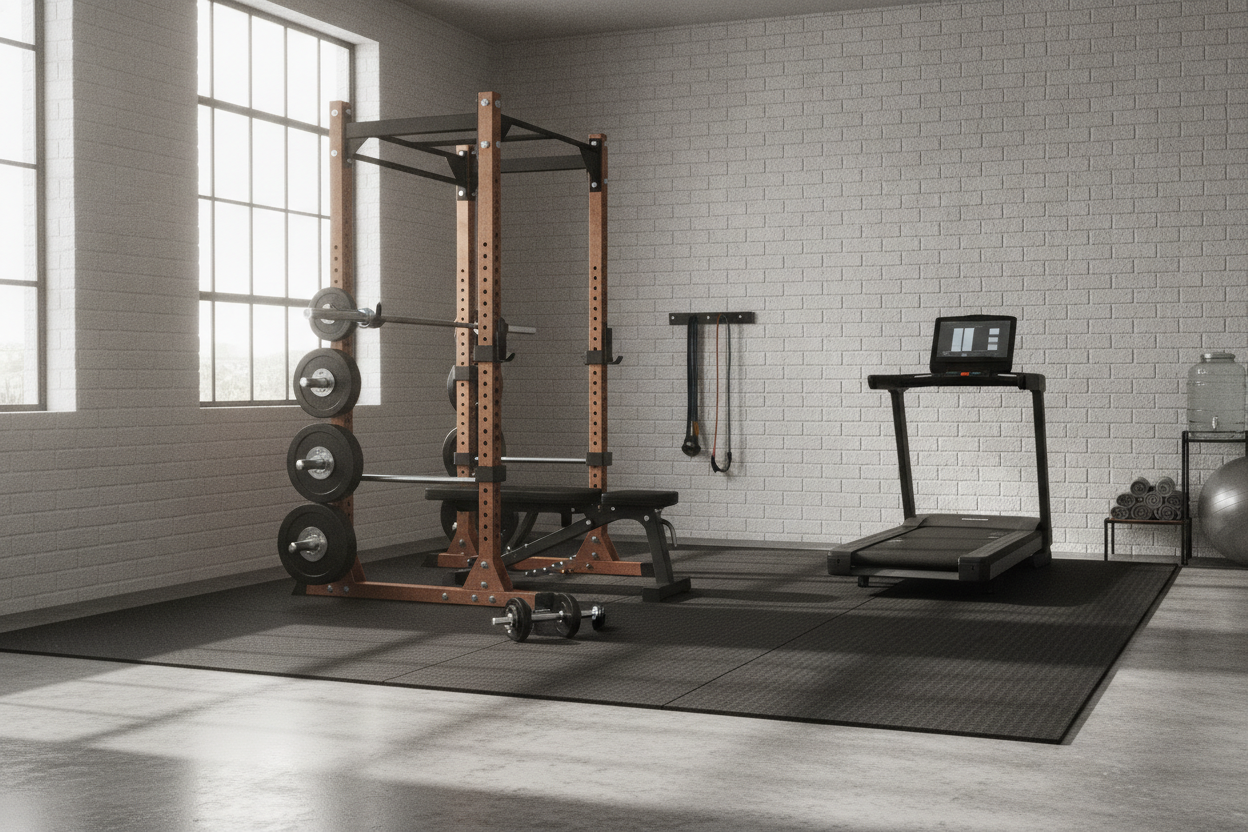
I spent last Tuesday night scrolling through ads for sculptural hand weights that cost more than my first barbell set. They look great next to a fiddle-leaf fig, but I have a power rack in the garage that has seen more sweat than a sauna. It made me wonder: when did training become a home decor choice?
lifestyle workout equipment is the industry's answer to people who want to burn calories without ruining their living room's mid-century modern vibe. I have tested enough of this gear to know that while some of it is pure vanity, a few pieces actually hold up under a heavy set of lunges.
- Aesthetics usually come at the cost of grip and durability.
- Smooth handles are the enemy of high-intensity training.
- Real floor protection is mandatory, not optional.
- Progressive overload is hard to achieve with pretty fixed weights.
What Even Is 'Lifestyle' Gear?
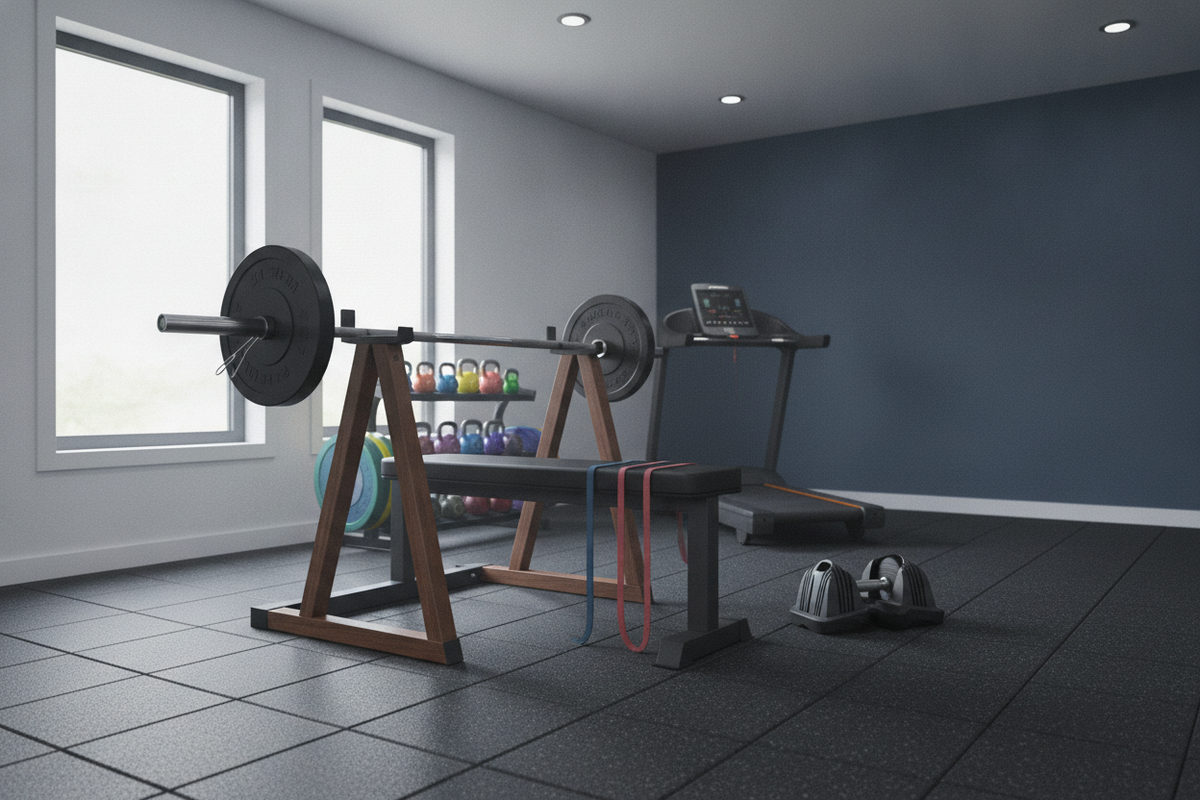
Traditional gym equipment is built for a commercial warehouse. It is loud, it is greasy, and it smells like a tire shop. Lifestyle gear is the opposite. It uses walnut, brushed brass, and matte silicon to blend into your apartment. It is designed to be seen, not hidden in a basement.
The problem is that physics does not care about your color palette. Most of these brands prioritize how a 10-lb weight looks on a shelf rather than how it feels in your hand during a third set of overhead presses. If the gear is not built to be dropped, it is not built for a real workout. I have seen 'designer' dumbbells that literally cracked after a single drop on a rug.
The Instagram Trap: When Good Looks Ruin Good Workouts
The 'lifestyle exercise equipment' market is flooded with gadgets that look like tech products but function like cheap toys. I have seen adjustable dumbbells with plastic internal gears that snap the moment you try to go heavy. If you cannot drop it from six inches without a catastrophic failure, it is a prop, not a tool.
Buying gear just because it matches your couch is exactly why your random exercise workout equipment just gathers dust. When the knurling is non-existent and the balance is off, you subconsciously avoid using it. A workout should be a struggle against the weight, not a struggle against the equipment's poor ergonomics. I once tried a set of marble dumbbells that were so slippery I had to stop my set of curls before my biceps even got tired.
The Few Pieces of Aesthetic Gear That Actually Survived My Tests
I am not a total hater. There are brands doing this right. Take the WaterRower, for example. The solid ash wood frame looks like high-end furniture, but the resistance is legit. I have hit 500-meter sprints on one of those and the frame did not even creak. It is one of the few pieces that handles high-output cardio while looking sharp.
Then there are CPU (urethane) dumbbells. Unlike the smelly recycled rubber hex heads in my garage, urethane is odorless and does not bloom or crack. They have a sleek, matte finish that fits a modern home, but they are tough enough for a commercial gym. If you want to build muscle, look for gear that uses premium materials for function first, and style second. High-end adjustable kettlebells with a powder-coat finish are another win—they give you a 50-lb range in a single, sleek shell.
Protecting Your Hardwood (Because Dropping Iron Hurts)
If you are training in your living room, you are playing a dangerous game with your security deposit. A 25-lb dumbbell falling from hip height will delete a piece of oak flooring instantly. A thin yoga towel is not going to save you from a structural repair bill. I learned this the hard way when a 16kg kettlebell slipped and left a permanent crater in my rental's kitchen floor.
You need a dedicated landing zone. I always tell people to get at least a 6x8ft exercise mat to act as a buffer. It is large enough for a full wingspan of movement and dense enough to absorb the shock of a dropped weight. If you cannot commit to that much floor space, you should not be lifting heavy in the house. It is the bare minimum for keeping your home and your joints intact.
When To Stop Pretending and Just Buy Real Iron
Eventually, you are going to hit a wall. You can only do so many reps with a 20-lb aesthetic kettlebell before your muscles stop responding. True growth requires progressive overload—adding more weight over time. Most lifestyle brands stop at a weight that is manageable for a designer, not a lifter.
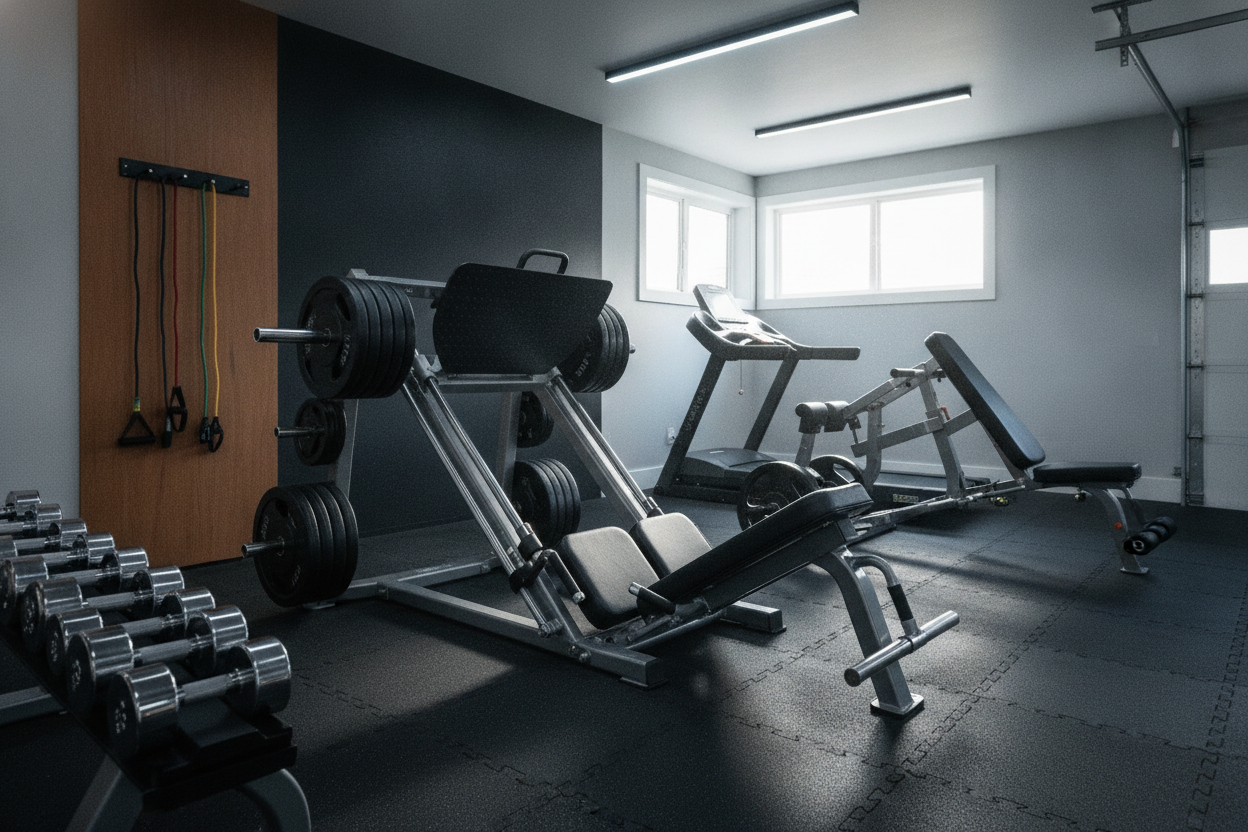
When you are ready to actually move the needle on your strength, it is time to look at real strength equipment. You do not need a massive commercial rack, but you do need steel, iron, and a bar that can handle a 300-lb load. Your living room might look a little less like a magazine spread, but your physique will actually start looking like you train. Real iron does not need to be pretty to work.
FAQ
Is wooden equipment actually durable?
High-quality hardwoods like ash or oak are incredibly strong and naturally absorb vibration. Just make sure the joints are bolted, not just glued, or the machine will eventually rattle itself apart under heavy use.
Can I build muscle with just 10-lb weights?
For a while, yes, by increasing reps or decreasing rest. But eventually, you need more load. Muscle growth requires mechanical tension, and pretty gear often lacks the heavy options needed for long-term progress.
How do I stop my gym gear from smelling?
Avoid cheap virgin rubber which off-gasses for months. Stick to urethane-coated weights or stainless steel. They cost more, but they will not make your living room smell like a tire shop.