Cabling Machines: The Ultimate Home Gym Buying Guide
If you are tired of hitting training plateaus with just barbells and dumbbells, it might be time to rethink your setup. For years, the smooth, constant tension of a commercial-grade setup was a luxury reserved for massive fitness facilities. Today, cabling machines have evolved, making them a realistic and transformative addition to North American garage and basement setups.
Whether you want to isolate stubborn muscle groups, perform dynamic functional movements, or simply save your joints from the heavy wear and tear of free weights, this guide will help you navigate the crowded market of home gym equipment cables to find the perfect fit for your space and budget.
Key Takeaways
- Assess your ceiling height and floor space before buying a large cable crossover multi station; compact options are available for tight spaces.
- Decide between a plate loaded pulley machine (budget-friendly) or a single cable stack (convenient for quick weight changes).
- Understand pulley ratios: A 2:1 ratio is ideal for functional movements, while a 1:1 ratio is better for heavy, slow lifts.
- When looking at used cable machines for sale, always inspect the cord workout machine cables and pulleys for fraying or drag.
Choosing the Best Cable System for Your Space
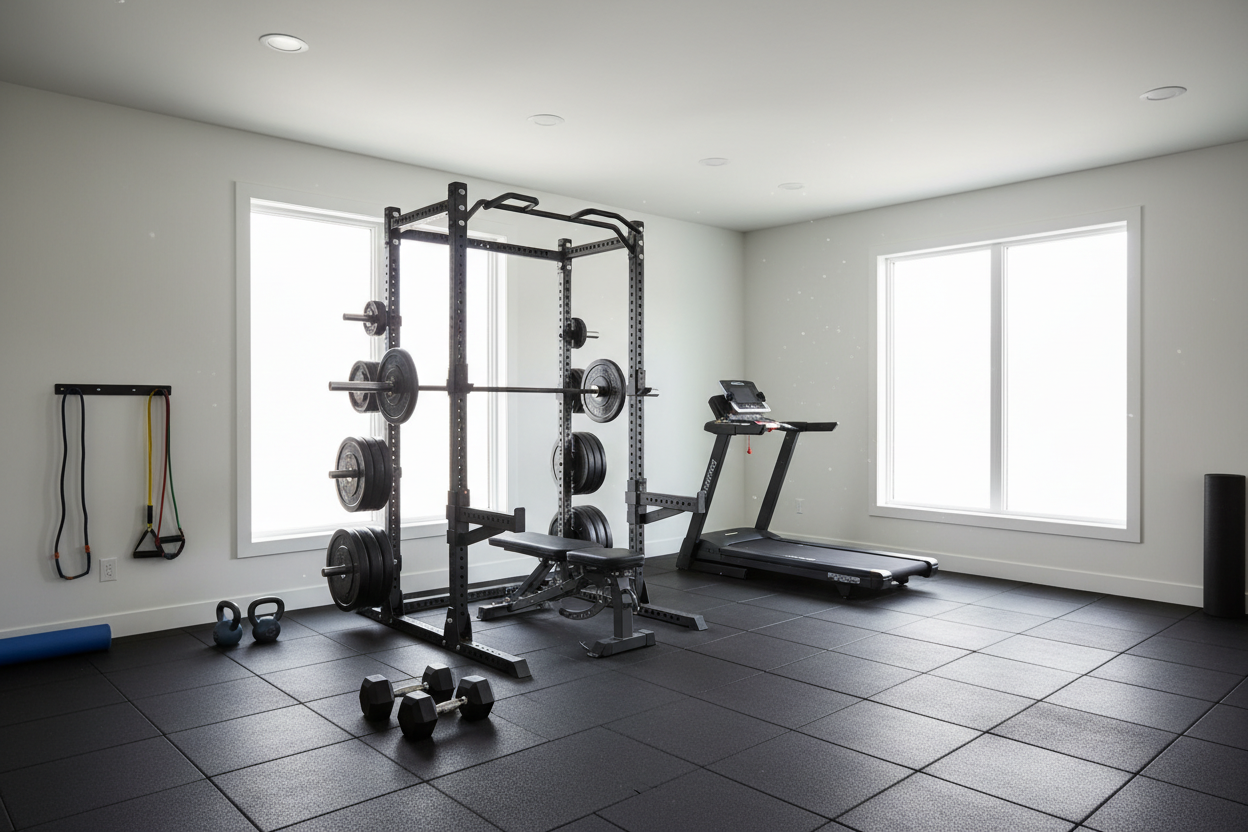
When building a home setup, space is your most valuable currency. You do not need a massive commercial cable crossover to get an elite workout, provided you choose the right footprint.
Footprint and Placement
If you are working with a tight basement gym, a compact cable machine home gym or a corner cable crossover machine is ideal. A single cable weight machine or a wall-mounted cable column home gym takes up minimal square footage while still offering the benefits of constant tension. For larger garage gyms, a multi station cable crossover machine or a full cable cage gym becomes a viable option. Always measure your ceiling height—many workout cable tower units require at least 84 inches of clearance.
Weight Stacks vs. Plate Loaded
Your budget and current equipment will dictate your resistance type. A cable crossover machine plate loaded system is incredibly cost-effective if you already own Olympic plates. However, a traditional single stack pulley system or a dual-stack cable crossover functional trainer allows for rapid weight changes, which is perfect for drop sets and supersets.
Unlocking New Muscle Gains
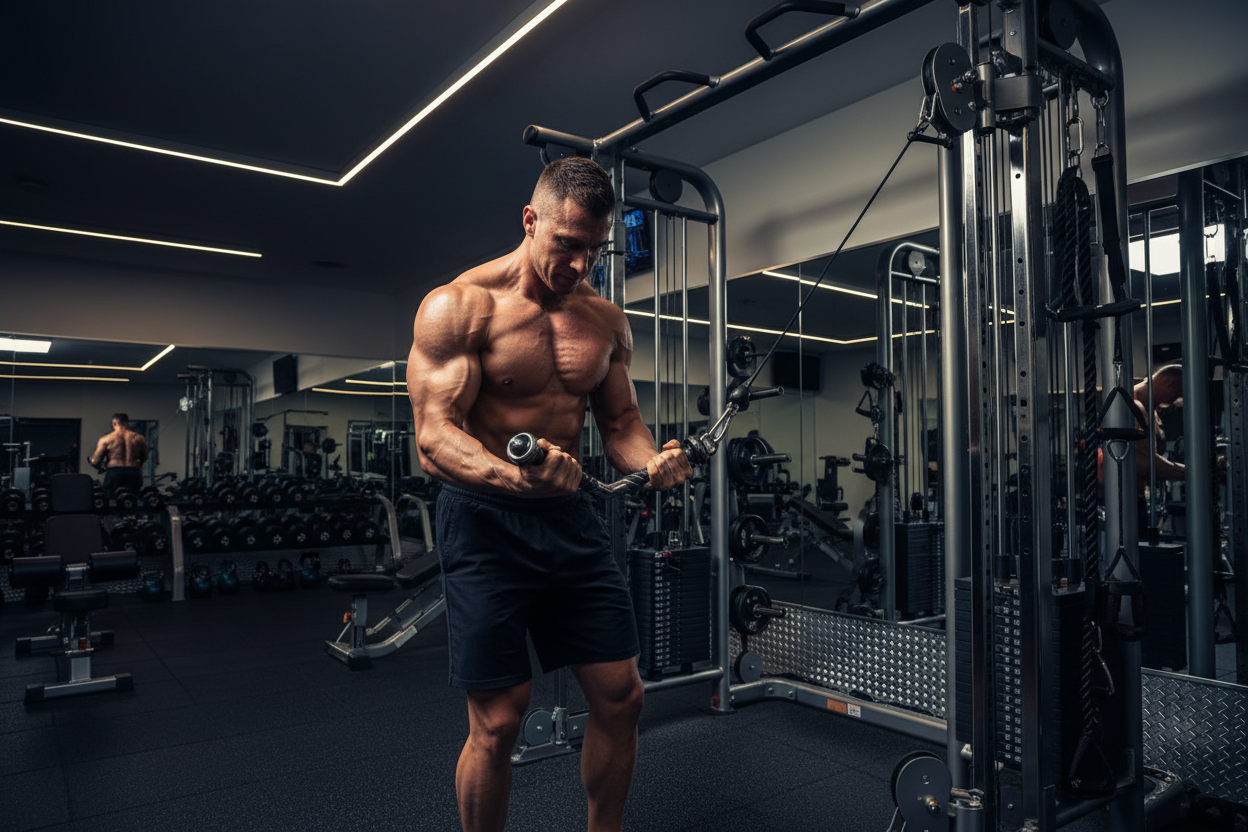
The beauty of a cable pulley weight machine lies in its versatility. Unlike free weights, the cable in gym setups provides continuous tension throughout the entire range of motion, forcing your muscles to work harder at every angle.
Endless Versatility
A cable fly machine for home use allows you to carve out your chest from multiple angles without the joint strain of a heavy bench press. Beyond just chest day, a cross pulley machine is perfect for tricep pushdowns, face pulls, and core rotations. If you want an all-in-one solution, look for a multi functional cable machine that includes attachments for a bench press pulley machine setup or a low row.
Navigating the Secondhand Market
High-quality cable weight lifting machines are built to last, making the used market highly attractive for budget-conscious lifters.
What to Inspect on Used Gear
When looking at a cable crossover machine for sale used, pay close attention to the exercise cable system. Check the nylon coating on the workout cables home; a frayed cable is a safety hazard. Also, test the single pulley machine or dual pulleys under a light load to ensure the bearings are not shot. Sometimes, finding a used pulley weight machine or a commercial cable weight machine from a closing facility can yield incredible value, provided the frame and tracks are well-maintained.
From Our Gym: Honest Take
When we first installed a dual-stack cable crossover adjustable trainer in our facility, the difference in our programming was immediate. I am 6'2', and getting a full stretch on lat pulldowns has always been an issue with shorter home units. We opted for an 89-inch tall commercial cable weight machine. The 2:1 pulley ratio on our best fitness cable machine meant the 200lb stacks effectively felt like 100lbs per side. This was incredibly smooth for explosive, functional movements, but slightly limiting for heavy, low-rep lat pulldowns.
My honest advice? If you push heavy weight, ensure your cable home gym machine has a 1:1 ratio option or a heavy enough stack to challenge your compound pulls. Upgrading to aluminum pulleys was also a game-changer over standard nylon ones—zero drag, even after a year of heavy daily use in a humid garage environment.
Frequently Asked Questions
Are cabling machines worth it for a home gym?
Absolutely. A lifting cable machine provides constant tension and angle variations that free weights simply cannot replicate. They are excellent for hypertrophy, rehab, and functional training, making them one of the most versatile pieces of equipment you can own.
How much space do I need for a cable crossover station?
A standard free weight cable crossover machine requires about 10 feet of width and 4 feet of depth. If space is tight, consider a mini cable crossover machine or a single cable stack that fits neatly into a corner or mounts directly to your wall.
Can I build muscle with just a cable workout station?
Yes. A total gym cable machine or a well-equipped crossover weight machine allows you to hit every major muscle group. By utilizing different attachments on your cables for workout machines, you can perform heavy compound movements and precise isolation exercises to drive serious muscle growth.