Butt Kick Exercise Guide: Proper Form, Movement Mechanics, and Home Floor Staging
Dynamic movement drills serve as the connective tissue between static posture and high-output conditioning. Among traditional running warm-ups, the butt kick stands out as a foundational exercise that trains cadence, knee flexion, and cyclical leg turnover. Often referred to colloquially as buttock kicks, this movement pattern looks simple at a casual glance, but executing it correctly requires deliberate pelvic control, active hamstring recruitment, and clean ground-force management.
When practicing running drills indoors, the quality of movement depends heavily on understanding the mechanics and preparing your training environment. Without proper structural intent, the drill can easily devolve into sloppy foot-flapping that strains the lower back or places unnecessary repetitive stress on cold joints. This guide outlines the biomechanics of the butt kicks exercise, how to refine your technique, and how to stage your home workout floor to absorb foot strikes effectively.
What Are Butt Kicks: Core Mechanics and Movement Intent
To understand what are butt kicks from a mechanical standpoint, one must look at the gait cycle. In sprinting and distance running, the recovery phase involves rapidly flexing the knee to bring the heel close to the gluteal fold, shortening the lever arm of the leg so it can swing forward effortlessly. The butt kick drill isolates and rehearses this specific portion of the stride.
Rather than simply flicking the lower leg backward, a biomechanically sound butt kick exercise emphasizes active knee flexion driven by the hamstring complex, accompanied by dynamic lengthening of the quadriceps and hip flexors. While colloquial gym terms like booty kick or buttkicker exercise describe the general action, effective execution prioritizes an upright torso, neutral pelvis, and rapid, light foot strikes against the ground.
How to Do Butt Kicks With Proper Biomechanical Alignment
Learning how to do butt kicks with correct mechanics ensures you reinforce functional movement habits rather than compensatory postures. Use the following step-by-step cueing to dial in your form:
- Initial Stance: Stand tall with feet hip-width apart. Draw the ribcage down toward the pelvis, engage the abdominal wall, and keep the gaze forward rather than looking down at the feet.
- Arm Carriage: Bend elbows to roughly right angles, mirroring a natural running posture. Allow the arms to pump smoothly in rhythm with the legs, keeping the shoulders relaxed and down away from the ears.
- Initiating Flexion: Shift weight to the ball of one foot while driving the opposite heel directly upward toward the glute. Focus on bending at the knee joint rather than excessively kicking backward behind the torso line.
- Knee Orientation: Maintain a neutral or slightly forward-angled knee. Letting the knee drift far behind the hips hyperextends the lumbar spine and reduces dynamic stretch across the anterior thigh.
- Ground Contact: Land softly on the forefoot or midfoot of the support leg before quickly springing into the next repetition. Avoid heavy, flat-footed landings or letting the heel slam into the ground.
A frequent error is leaning the upper body forward to make heel-to-glute contact easier. Doing so compromises core stability and tilts the pelvis anteriorly. If your heel does not fully contact your gluteal tissue while staying upright, prioritize torso posture over contact depth; mobility will improve naturally through consistent practice.
Training Benefits: Dynamic Mobility and Cadence Conditioning
Understanding what do butt kicks do helps trainers and home athletes integrate them purposefully into broader routines. The butt kicks benefits extend beyond a simple pulse-raiser:
- Active Quadriceps Lengthening: Rapidly bringing the heel toward the pelvis dynamically mobilizes the quadriceps and anterior hip structures through an active range of motion, preparing the legs for deep squatting, lunging, or sprinting.
- Hamstring Recruitment: The rapid contraction of the posterior thigh muscles reinforces neuromuscular pathways needed for efficient knee flexion and stride recovery.
- Cadence and Foot-Speed Development: Executing high-frequency taps trains coordination, quick ground contact times, and rhythmic lower-leg elasticity.
- Low-Barrier Conditioning: The rhythmic nature of bottom kicks provides continuous cardiovascular demand without requiring external loads or expensive machinery.
These butt kicks exercise benefits make the movement equally valuable for competitive runners sharpening stride mechanics and general fitness enthusiasts seeking an athletic warm-up drill.
Movement Progressions and Low-Impact Modifications
Not every athlete needs to jump directly into rapid plyometric repetitions. Depending on joint tolerance and training goals, several variations of the drill—sometimes informally called buck kicks or bull kicks exercise in group fitness settings—can be selected:
- The Marching Butt Kick: A zero-impact variation where you remain in place, marching deliberately while drawing one heel up toward the glute at a controlled tempo. This variation emphasizes balance, balance-leg glute stability, and controlled quadriceps stretch without flight phases.
- The Stationary Jogging Kick: The standard high-cadence variation performed in place, bouncing lightly from one forefoot to the other while maintaining a vertical torso and continuous arm swing.
- The Traveling Butt Kick: Moving gradually forward across a training space while maintaining a high turnover rate. This reinforces forward momentum and mimics functional athletic running transitions.
- The Glute Kick with Knee Drive: A hybrid drill alternating between a heel-to-glute flick and an immediate high-knee punch, challenging coordination and core recruitment across multiple planes of hip action.
Structuring a Butt Kick Workout Routine at Home
Programming a butt kick workout depends on whether the movement is serving as dynamic preparation, active recovery, or high-intensity conditioning. Because the exercise relies on high movement frequency rather than heavy load, interval timing often yields cleaner movement patterns than counting high rep totals.
In dynamic warm-ups, pairing two to three intervals of 20 to 30 seconds of butt kicks with lateral lunges, inchworms, and bodyweight squats thoroughly preps the lower extremities for heavier lifting. For cardiovascular conditioning, butt kicks work well inside tabata-style circuits, paired alongside mountain climbers, jumping jacks, or kettlebell swings. When setting up these high-tempo home sessions, consulting an exercise workout guide can provide useful structure for tracking intervals with a timer rather than rushing through counted reps.
Home Floor Staging: Impact Absorption, Grip, and Subfloor Care
While the butt kick drill is relatively low impact compared to maximum-height box jumps or broad jumps, the cumulative volume of rapid forefoot strikes generates significant repetitive ground force. Practicing high-cadence drills directly on unpadded concrete, hardwood, or thin residential laminates introduces specific physical challenges that require thoughtful equipment staging.
First, unyielding subfloors provide zero shock dissipation, transmitting vibration directly up through the plantar fascia, Achilles tendon, and shins. Second, residential flooring surfaces can become slick under athletic shoes during sweaty sessions, increasing the risk of foot slippage during fast transitions. Finally, repeated athletic shoe friction can scuff decorative flooring or cause premature wear on wood finishes.
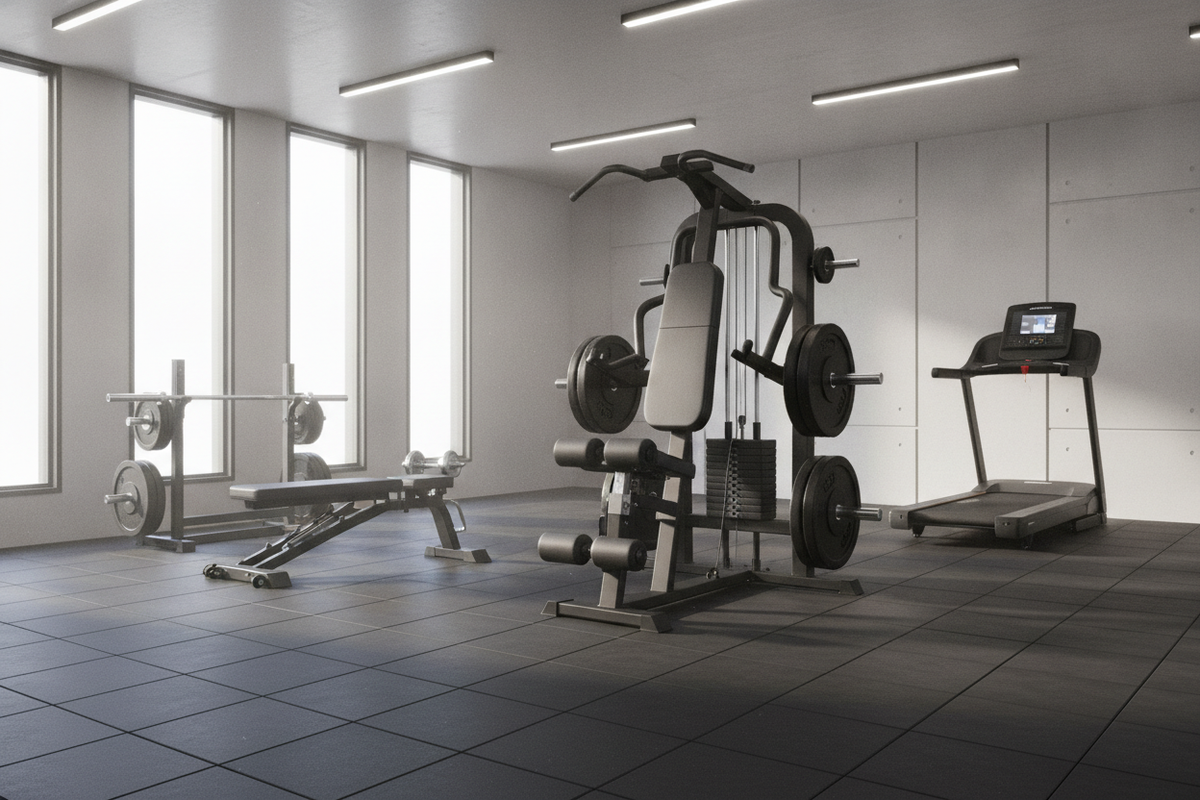
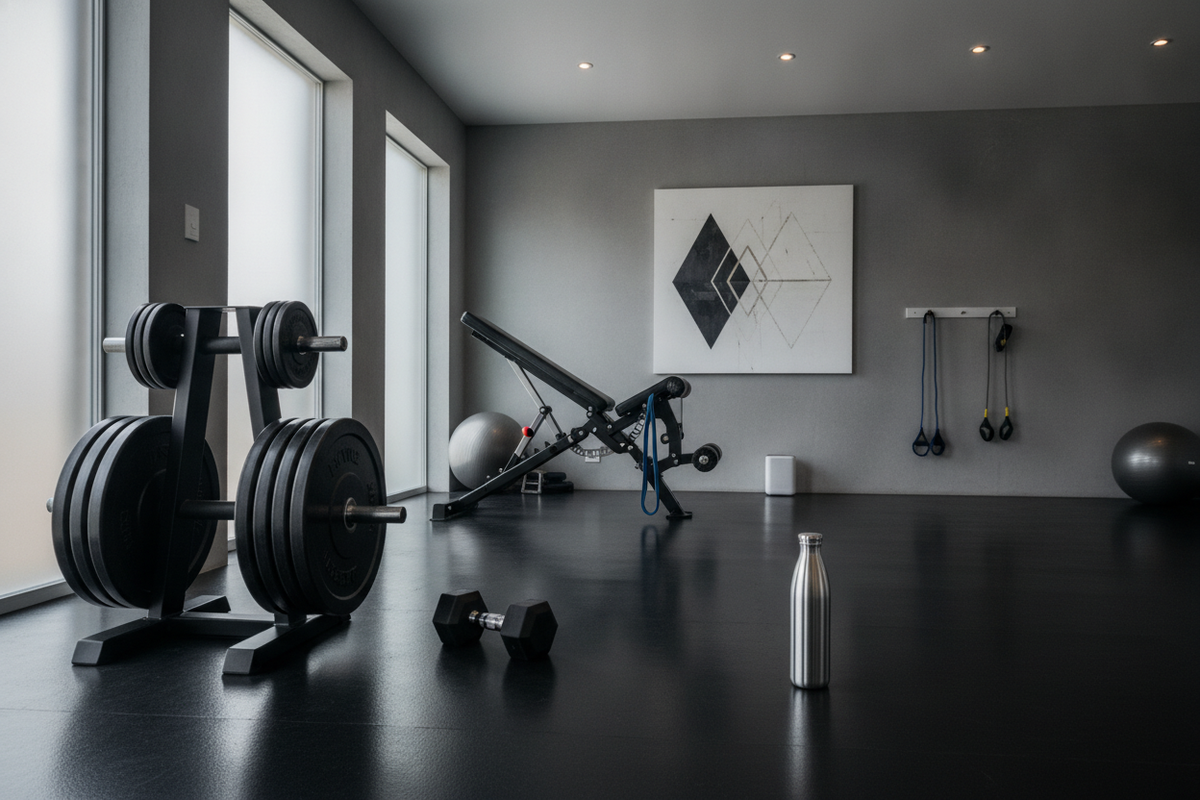
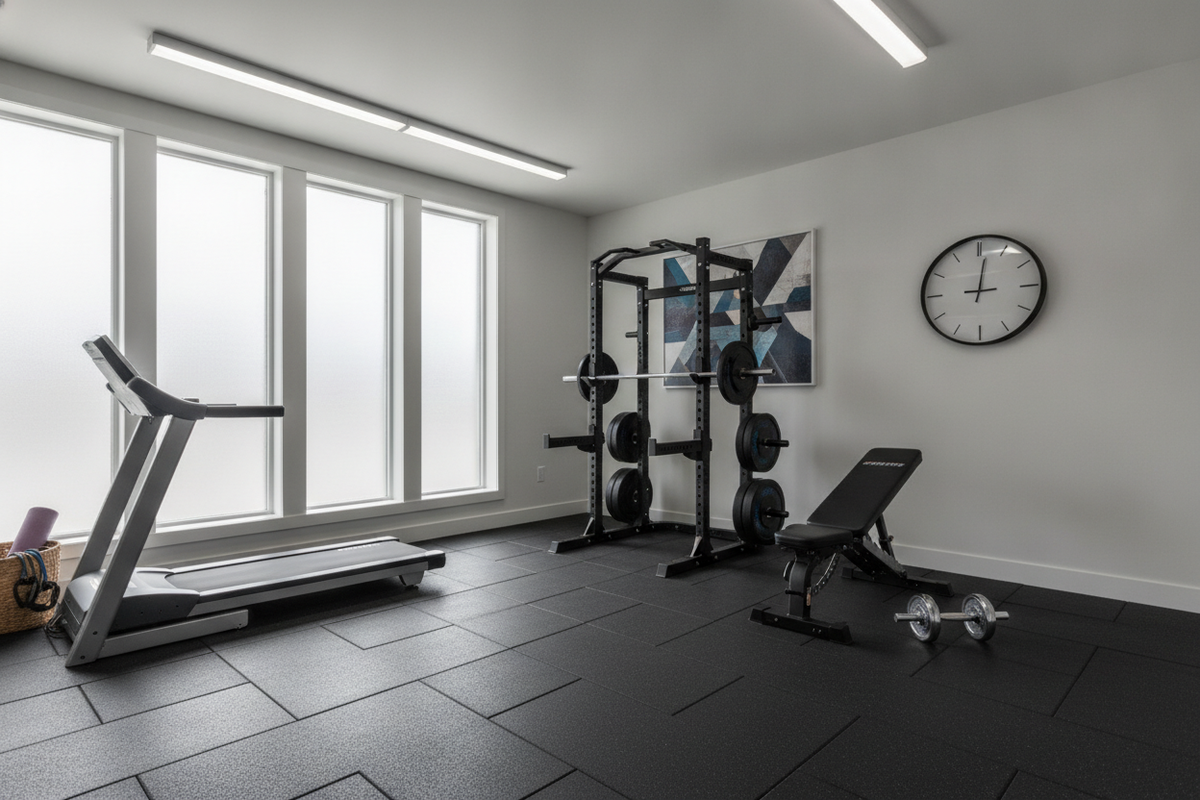
To mitigate these concerns, staging a dedicated training surface from an exercise collection provides essential protection. Dense composite mats offer a balance between firm footing and sufficient shock dampening, ensuring your forefoot does not sink so deeply that cadence slows down, while still attenuating joint stress. For those who incorporate traveling drills or hybrid agility steps into their warm-ups, utilizing a large-format exercise workout product gives you ample continuous perimeter to transition between stationary kick drills, traveling bounds, and ground-based core work without stepping off the protective boundary.
By pairing clean biomechanical alignment with a properly prepared training surface, you can utilize the butt kick drill to its full potential—building foot speed, mobilizing the anterior chain, and protecting your joints through every workout.