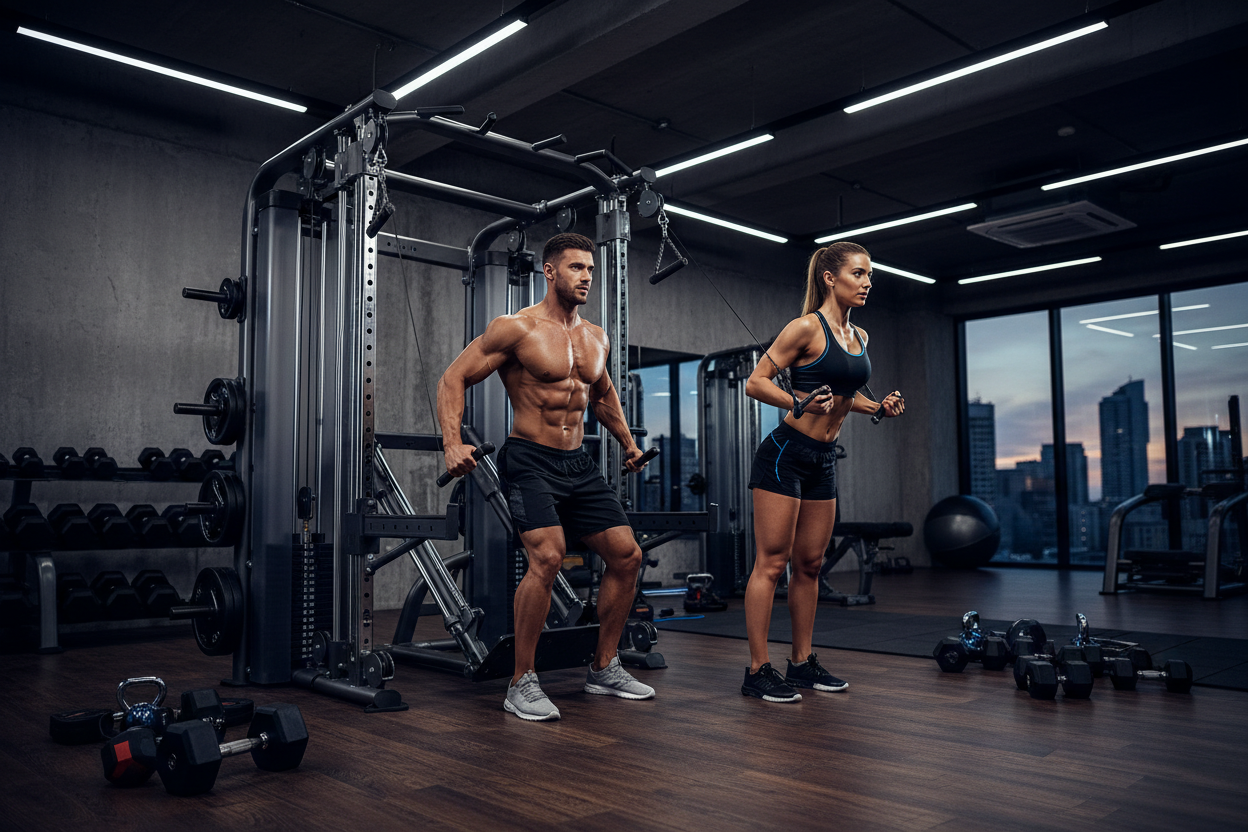
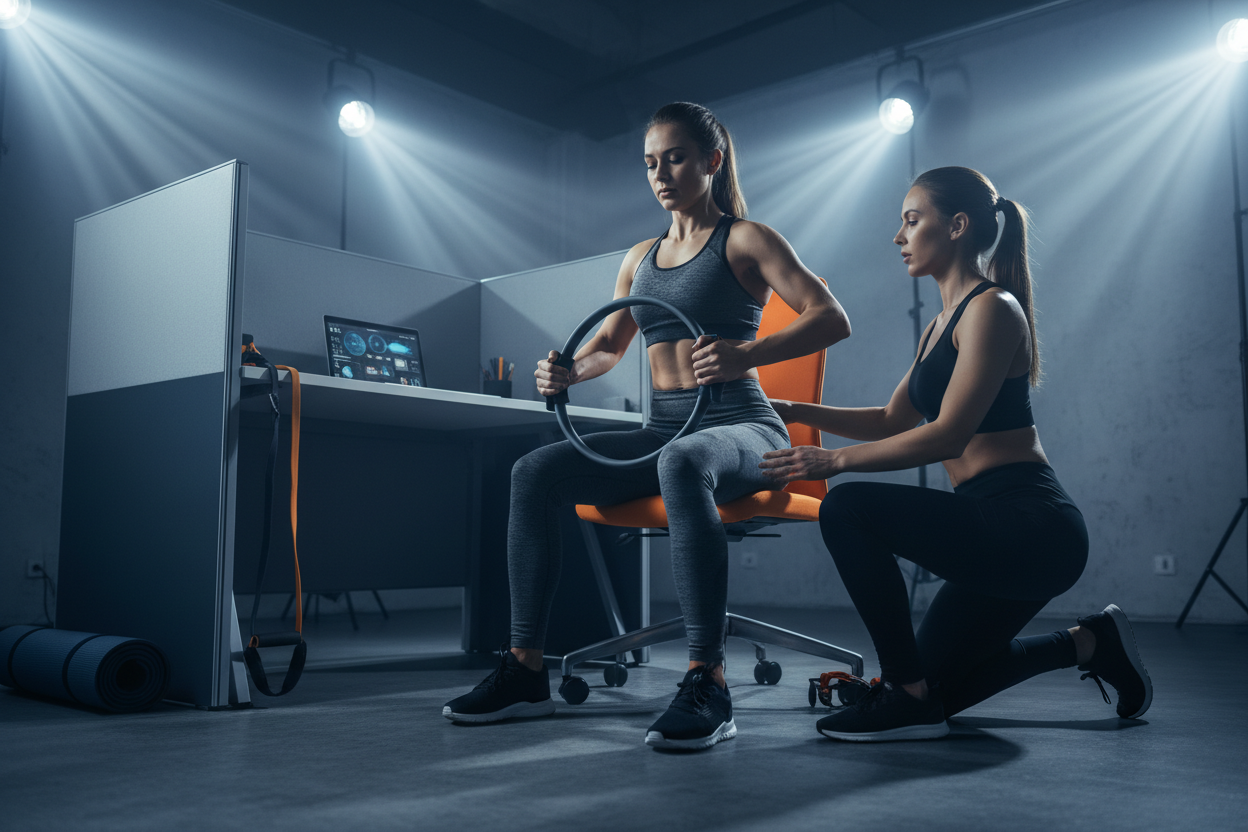
Building Real Strength With The Right Training Fitness Equipment
Walk into any big box gym, and you are immediately bombarded by flashing screens, plastic casings, and complex pulley systems. It’s overwhelming. But here is the truth: complexity does not equal results. Whether you are outfitting a garage gym or upgrading a commercial space, the quality of your training fitness equipment dictates the quality of your movement.
You don't need every machine on the market. You need the right tools that align with biomechanics and progressive overload. Let's cut through the marketing noise and look at what actually builds a capable body.
Quick Summary: Essentials at a Glance
If you are looking for the most effective setup, focus on these core categories based on movement patterns rather than muscle isolation.
- Compound Movement Anchors: Barbells and racks are non-negotiable for max force production.
- Functional Fitness Hardware: Kettlebells and dumbbells allow for unilateral training to fix imbalances.
- Conditioning Assets: Rowers or air bikes offer high output with low joint impact.
- Recovery & Mobility: Bands and rollers are essential fitness training accessories for longevity.
The Foundation: Power Training Equipment
If your goal is strength, you cannot ignore gravity. Power training equipment—specifically barbells, plates, and racks—remains the gold standard. Why? Because moving a fixed object through space requires you to stabilize the load yourself.
Machines force you into a fixed path of motion. While safe, this removes the need for your stabilizer muscles to fire. A heavy squat or deadlift recruits nearly every muscle fiber in your body to keep you upright. When selecting this gear, look for high tensile strength in bars (so they don't bend permanently) and racks with adequate safety spotter arms.
The Versatility of Fitness Hardware
Once the heavy lifting is done, you need tools that allow for freedom of movement. This is where general fitness hardware like dumbbells, kettlebells, and medicine balls comes into play. These tools are crucial for unilateral training (working one side at a time).
Most people have a dominant side. If you only use a barbell, your strong side will compensate for the weak one. Using dumbbells forces each limb to carry its own weight, correcting imbalances and preventing injury down the road. For a home setup, adjustable dumbbells are a space-saving lifesaver.
Commercial vs. Home: Fitness Studio Equipment
There is a distinct difference between gear meant for a garage and genuine fitness studio equipment. Studio gear is built to withstand 12-15 hours of continuous use daily. It usually features thicker steel gauges and more durable upholstery.
However, for a home user, you don't always need commercial grade. You need "light commercial." This sits in the sweet spot—durable enough to handle your heaviest deadlift sessions, but without the price tag required to survive a thousand users a month. Focus your budget on moving parts (bearings in barbells, cables in pulley systems) rather than the frame itself.
Don't Ignore the Fitness Training Accessories
The big iron gets the glory, but the fitness training accessories keep you in the game. We are talking about resistance bands, lifting belts, and proper flooring.
Think of resistance bands as accommodation tools. They change the strength curve of an exercise. A band makes a squat harder at the top (where you are strongest) and easier at the bottom (where you are weakest). This matches your body's natural strength capabilities better than static weight alone.
My Personal Experience with training fitness equipment
I learned the hard way that "steel is steel" is a lie. Years ago, I tried to save money by outfitting my garage with the cheapest barbell I could find on a classifieds site. It looked fine, but the first time I tried a heavy power clean, I felt the difference.
The sleeves (the ends where you put the weights) didn't spin. They were bolted tight. When I whipped my elbows around to catch the bar, the weights didn't rotate with the momentum. The torque went straight into my wrists and elbows. I felt that ache for three days.
Furthermore, the knurling (the grip texture) was so passive it felt like a smooth pipe once my hands got sweaty. I had to use so much chalk just to hold onto a deadlift that my garage looked like a bakery. I eventually upgraded to a bar with needle bearings and aggressive knurling. The difference in my lift numbers was immediate—not because I got stronger overnight, but because I wasn't fighting the equipment anymore.
Conclusion
Building a physique or a performance facility isn't about buying the most futuristic gadgets. It is about investing in training fitness equipment that respects biomechanics and durability. Start with the heavy compound tools, fill in the gaps with functional hardware, and don't neglect the accessories that keep you safe. Buy nice, or buy twice.
Frequently Asked Questions
What is the most essential piece of training gym equipment for beginners?
For most beginners, a high-quality adjustable kettlebell or a set of dumbbells is the most versatile choice. They allow for full-body workouts including squats, presses, and rows, without requiring the space or investment of a full rack and barbell setup.
Is expensive fitness studio equipment necessary for a home gym?
Not usually. Studio equipment is priced for high-volume durability (hundreds of users per day). For a home gym used by 1-3 people, "light commercial" or high-end residential gear is sufficient and significantly cheaper.
How often should I replace my fitness training accessories?
It depends on usage, but safety comes first. Inspect resistance bands for micro-tears before every use; if they snap, they can cause injury. Replace foam rollers when they lose their firmness, usually every 6-12 months with heavy use.