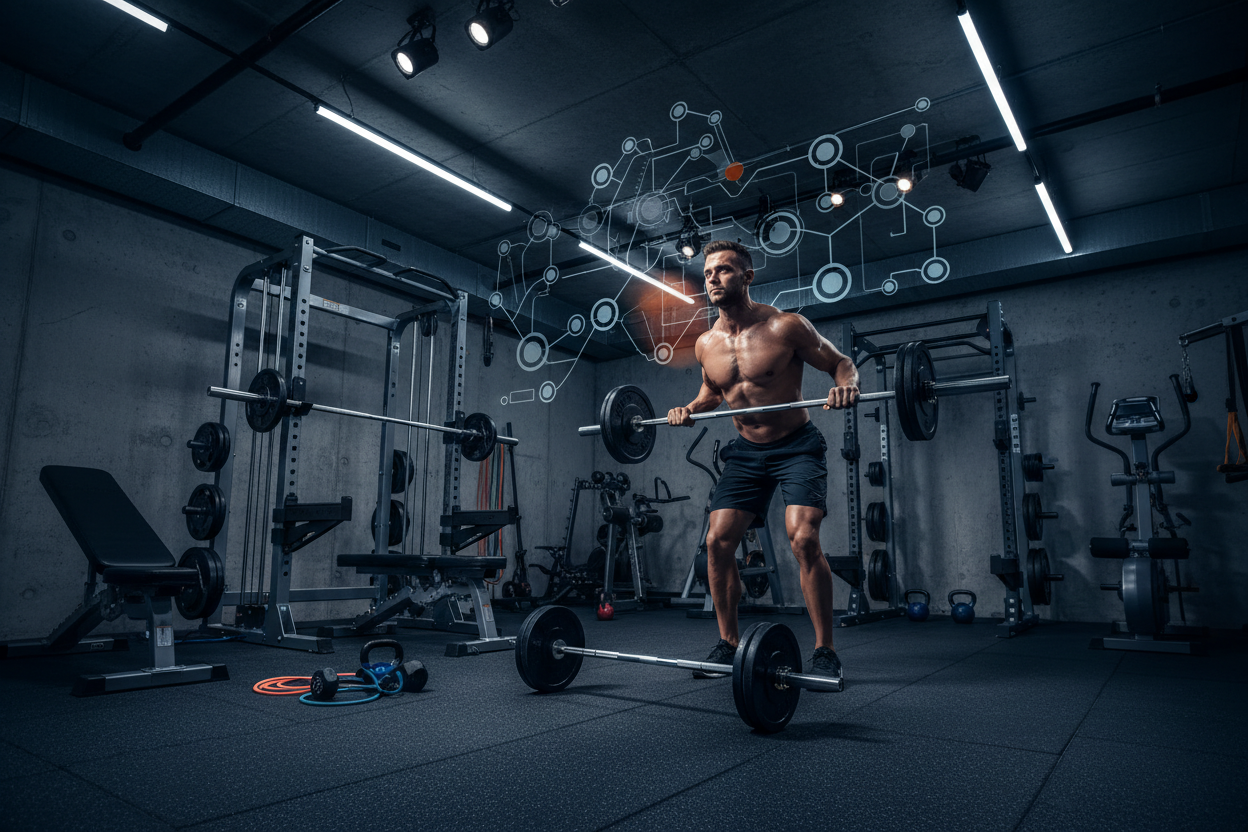
Building Real Strength With a Compact Gym for Home (Even in a Studio)
Living in a space-constrained environment often feels like a death sentence for serious fitness. The prevailing myth is that unless you have a two-car garage or a spare basement, you are stuck doing bodyweight squats or paying for a commercial gym membership. That is simply not true.
You can build a physique capable of moving heavy loads within a 4x6 footprint. The secret isn't finding smaller versions of big equipment; it is choosing equipment designed specifically for efficiency. Finding the right compact gym for home is about maximizing the ratio of exercise variety to square footage occupied.
Key Takeaways: What Matters in Small Spaces
- Verticality is King: The best systems utilize wall space or vertical storage rather than sprawling across the floor.
- Resistance Type: Digital resistance and flexible rods save weight and noise compared to traditional iron stacks.
- Multi-Functionality: A single compact gym machine must perform at least 20 distinct movements to justify its place in your living room.
- Setup Time: If it takes more than 3 minutes to set up, you won't use it. Accessibility drives consistency.
The Physics of Space-Saving Fitness
When you have limited square footage, you cannot afford single-use equipment. That massive leg press machine at your local club? It's useless to you. In a home environment, we need density.
The "Fold-Away" Factor
Many modern compact home gym systems now feature fold-flat technology. We are seeing benches that collapse to less than 8 inches in height, allowing them to slide under a bed or stand behind a door. When evaluating a system, measure your "dead space"—the gaps between furniture and walls—before you look at the equipment's active footprint.
Cable Systems vs. Free Weights
For a truly tight space, a wall-mounted cable pulley system often beats free weights. Why? Because gravity acts vertically. A compact home gym machine mounted to a stud allows you to pull from high, low, and mid-angles without needing the floor space required to swing a barbell. However, if you prefer the raw feel of iron, adjustable dumbbells are the only logical choice, replacing an entire rack (5-50lbs) with two units roughly the size of shoeboxes.
Solving the Noise Problem
Space isn't the only constraint; acoustics matter, especially in apartments. Iron plates clanking together creates high-decibel impact noise that travels through floors. This is where a compact gym machine utilizing magnetic resistance or flexible composite rods shines. They provide smooth, constant tension without the acoustic signature of slamming weights, keeping your neighbors happy while you train to failure.
My Personal Experience with Compact Gym for Home
I spent two years living in a 600-square-foot loft where my "gym" was also my living room and my home office. I opted for a pair of selectorized dumbbells and a fold-flat bench. On paper, it looked perfect. In reality, there was a specific friction point the spec sheets didn't mention.
The biggest hurdle wasn't the workout; it was the psychological barrier of the setup. Every time I wanted to bench press, I had to physically drag my coffee table into the kitchen. The selector mechanism on the dumbbells also had this subtle, gritty "stick" when changing from 25lbs to 30lbs—sometimes the plates would catch, and I'd have to wiggle the handle to get it to lock. That tiny delay often killed my flow during drop sets.
Furthermore, because the bench was lightweight for storage purposes, it lacked stability. When I was doing single-arm rows, I could feel the rear leg of the bench lift slightly off the hardwood if I didn't brace my foot just right. It taught me that "compact" often comes at the cost of "rock-solid stability," a trade-off you have to accept and adjust your technique for.
Conclusion
Building a home setup in a small room requires compromise, but not on results. Whether you choose a wall-mounted cable unit or high-tech digital resistance, the goal remains the same: progressive overload. Don't let a lack of space become an excuse for a lack of effort. Measure your corner, pick your tool, and get to work.
Frequently Asked Questions
How much space do I really need for a compact home gym?
At a minimum, you need a clear 6x6 foot area to move safely. This allows for limb extension during exercises like flys or lunges without hitting walls or furniture. For the equipment storage itself, many systems now require less than 2 square feet when folded.
Are compact home gym systems effective for building muscle?
Yes, provided the machine offers enough resistance. Your muscles cannot tell the difference between a rusty barbell and a compact cable machine; they only detect tension. As long as you can achieve progressive overload (increasing weight or reps), you will build muscle.
Do I need special flooring for a compact gym machine?
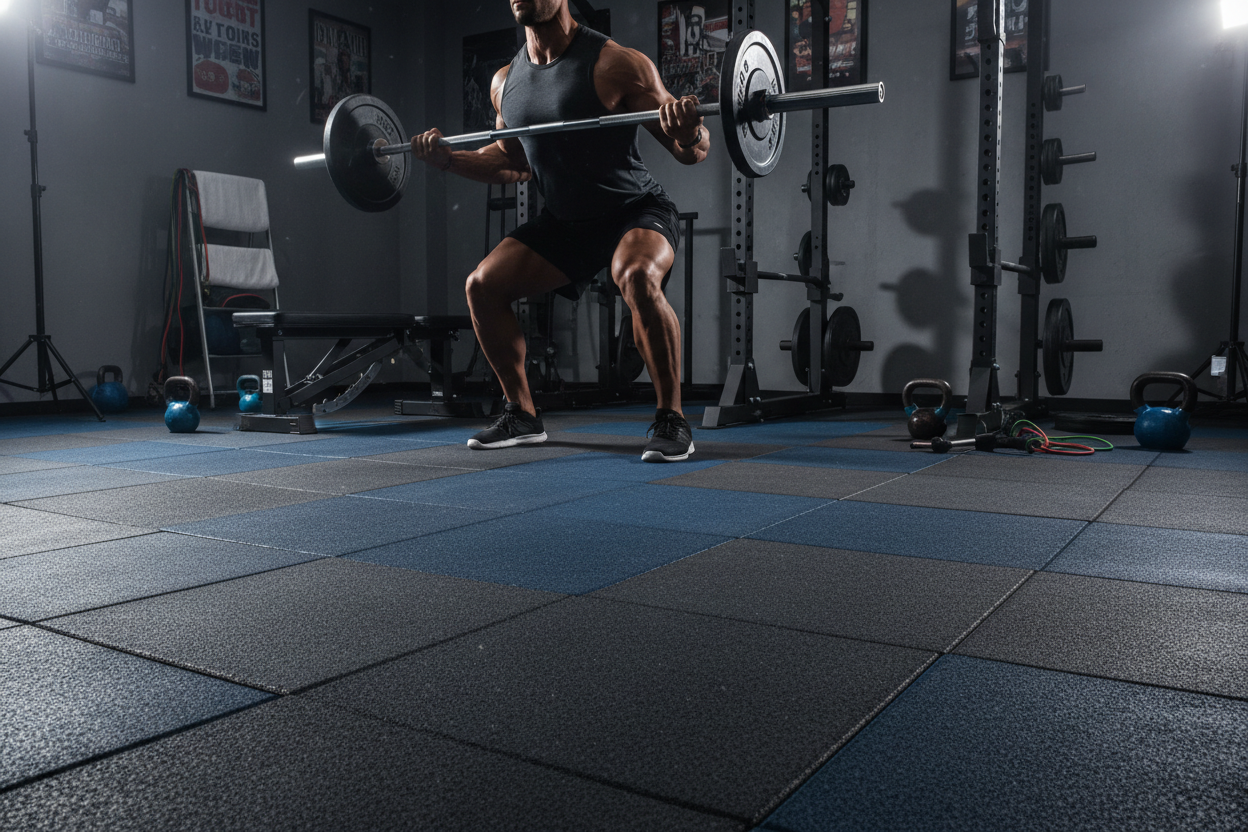
It is highly recommended. Even a compact machine can damage hardwood or carpet over time due to pressure points. A high-density rubber stall mat (horse stall mat) or interlocking foam tiles will protect your floor and dampen vibration noise.