Building Real Muscle With the Best At Home Weight Training Equipment
You have likely seen the ads. The glossy machines promising a cover-model physique in four minutes a day. But if you are serious about strength, you know that flashy marketing rarely equals results. The challenge isn't finding gear; it's filtering out the junk to find the best at home weight training equipment that offers legitimate return on investment.
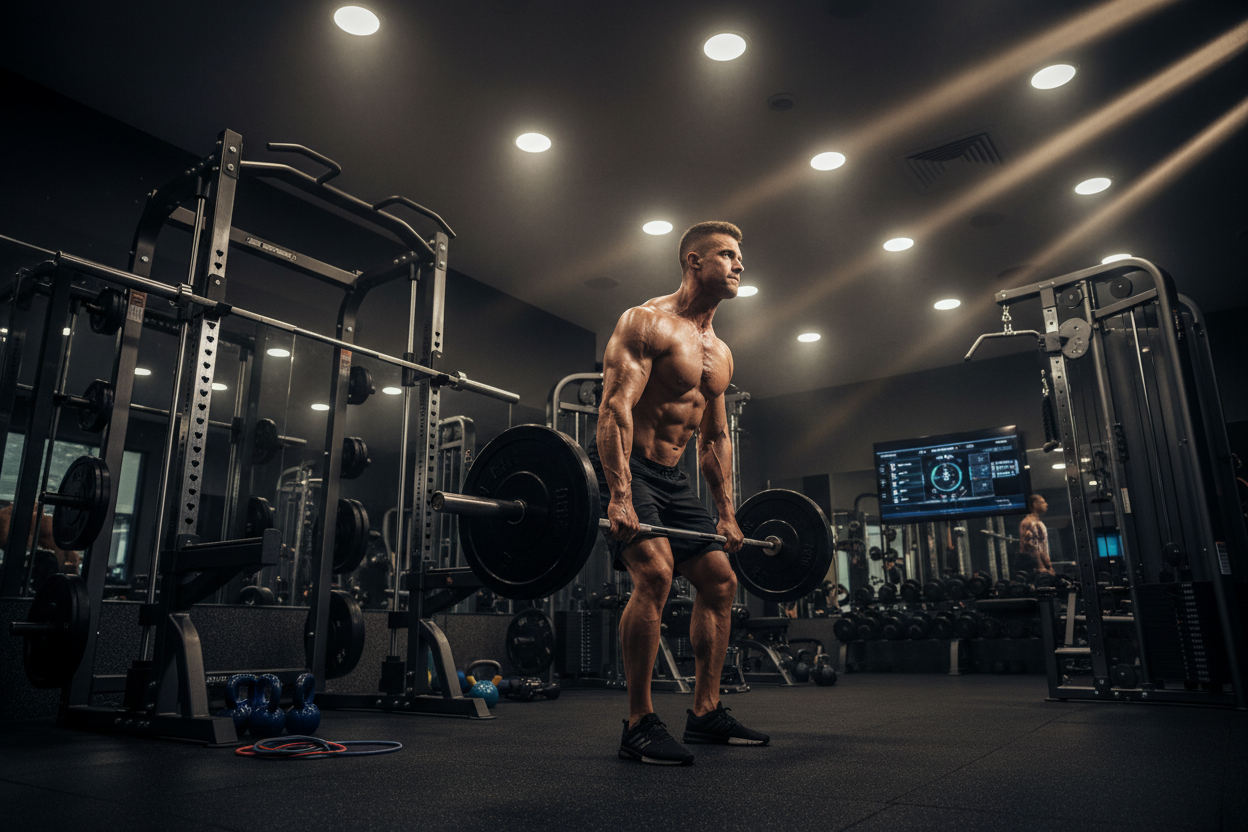
Building a home gym is an exercise in resource management. You are balancing floor space, budget, and biomechanics. If you choose poorly, you end up with an expensive coat rack. Choose wisely, and you have a sanctuary for growth that lasts decades.
Quick Summary: The Essentials
If you are looking for the short answer on where to invest your budget, here is the hierarchy of needs for a functional home setup:
- The Power Rack: The non-negotiable centerpiece for safety during heavy compound lifts like squats and bench presses.
- Olympic Barbell & Plates: Look for a bar with decent tensile strength (190k PSI+) and moderate knurling.
- Adjustable Bench: A FID (Flat, Incline, Decline) bench unlocks hundreds of movement variations.
- SelectTech/Adjustable Dumbbells: The ultimate space-saver that replaces an entire wall of fixed weights.
- Horse Stall Mats: Often overlooked, but critical for protecting your foundation and stabilizing lifts.
The "Big Three" Categories of Equipment
When scouting for the highest rated home exercise equipment, we need to categorize them by utility, not just brand name. We judge equipment based on three factors: versatility, durability, and footprint.
1. The Anchor: Power Racks and Cages
Your rack is your safety net. Without it, progressive overload becomes dangerous. The top at home gym equipment lists often prioritize compact half-racks, but if you have the space, a full power cage is superior.
Why? Spotter arms. When you are training alone in a garage at 6 AM, knowing you can fail a rep without being crushed allows you to push harder. Look for 3x3 inch steel uprights with 1-inch hole spacing (Westside spacing) through the bench zone. This allows for precise height adjustments.
2. The Resistance: Barbells vs. Dumbbells
If you ask any veteran coach, "what is the most effective home gym equipment?" the answer is almost always the barbell. It creates the highest systemic fatigue, which drives the most adaptation.
However, adjustable dumbbells are the unsung heroes of hypertrophy (muscle growth). While barbells are great for strength, dumbbells allow for a greater range of motion and fix muscle imbalances. For a home gym, avoid fixed dumbbells unless you have massive space. Selectorized dumbbells that change weight with a dial turn are the gold standard for efficiency.
3. The Platform: Flooring and Benches
Never underestimate the stability of your bench. A wobbly bench kills force transfer. If you are pressing 80lbs dumbbells, but your core is fighting to keep you from tipping over because of a cheap bench, you aren't training your chest; you're training balance.
Look for a bench rated for at least 600lbs. It sounds like overkill, but that weight rating accounts for your body weight plus the load, plus the dynamic force of moving that weight.
My Personal Experience with best at home weight training equipment
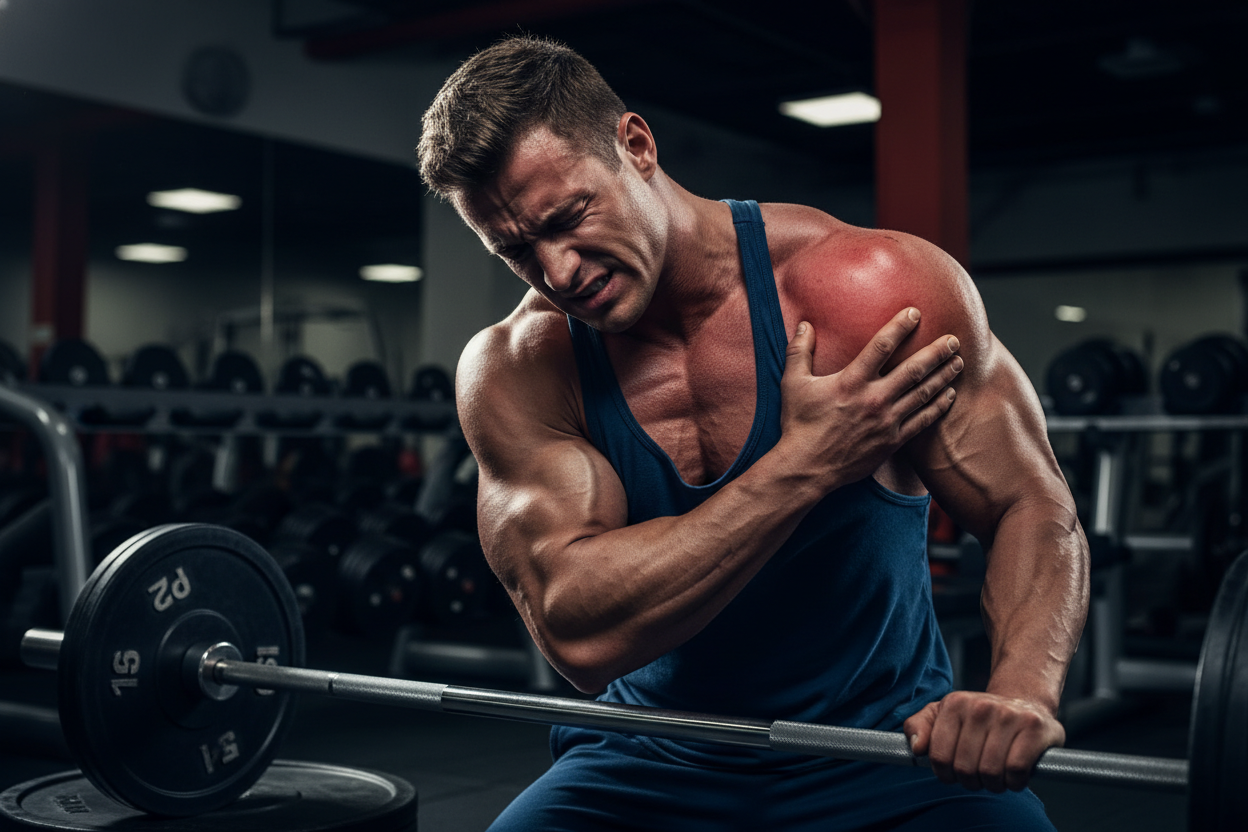
I want to be real about the learning curve here. Years ago, I tried to save money by buying a cheap, "all-in-one" bench press station from a big-box store. It looked fine in the photos.
The first time I tried to bench heavy, I realized my mistake. The uprights were too narrow, so every time I re-racked the weight, my pinky fingers got pinched between the bar and the stand. But the worst part was the gap.
It was an adjustable bench with a gap between the seat and the back pad so wide that my tailbone would sink into it during incline presses. It threw off my entire arch. I spent more time adjusting my butt than actually lifting. I eventually sold it for scrap and bought a reputable commercial-grade flat bench. The difference in stability was immediate—my bench press went up 15lbs simply because I wasn't scared the equipment would fold under me.
Conclusion
Building a home gym is a marathon, not a sprint. You do not need to buy everything at once. Start with a quality barbell and plates, then expand. The best at home weight training equipment is the gear that fits your space and removes the friction between you and your workout. Buy nice, or buy twice.
Frequently Asked Questions
What is the most effective home gym equipment for small spaces?
For tight spaces, adjustable dumbbells and a foldable incline bench offer the highest ROI. They allow you to perform hundreds of movements (squats, presses, rows) with a footprint of less than 10 square feet.
Is a power rack really necessary for home training?
If you plan on lifting heavy alone, yes. It is the single most important safety device for squats and bench presses. If you only plan on doing HIIT or light accessory work, you can skip it, but for raw strength, it is essential.
How much should I budget for a quality home gym setup?
A high-quality baseline setup (Rack, Bar, Plates, Bench) typically costs between $1,500 and $2,500. While you can find cheaper options, durability and safety usually suffer at lower price points.