Building Elite Strength With Essential Bodyweight Equipment
There is a massive misconception in the fitness industry that calisthenics means training with zero gear. While the floor is a great starting point, gravity alone eventually stops providing enough resistance for serious muscle growth. To truly alter your physique, you need the right bodyweight equipment to manipulate leverage and range of motion.
You don't need a garage full of iron plates to build an impressive physique. You simply need tools that allow for progressive overload without the clutter. This guide breaks down exactly what gear is worth your money and how to use it to build a gymnast-like physique at home.
Key Takeaways: The Essentials
- Gymnastic Rings: The most versatile bodyweight training equipment for upper body stability and strength.
- Pull-Up Bar: The non-negotiable foundation for back development.
- Weighted Vest: The primary tool for applying progressive overload to basic movements.
- Parallettes: Essential equipment for bodyweight exercises requiring wrist neutrality and deep ranges of motion.
- Suspension Trainers: A scalable alternative to rings for beginners.
Why You Need Gear for Calisthenics
The problem with floor-only training is the "plateau effect." Once you can do 30 pushups, doing 31 doesn't necessarily build more strength; it just builds endurance. To trigger hypertrophy (muscle growth), you need mechanical tension.
Bodyweight fitness equipment solves this by changing the angle of your body or adding instability. This forces your nervous system to recruit more muscle fibers to stabilize the load. It turns a simple workout into a strength-building session that rivals heavy weightlifting.
The "Big Four" Bodyweight Tools
1. Gymnastic Rings
If you only buy one piece of bodyweight exercise equipment, make it rings. Unlike a fixed bar, rings move independently. This instability forces your stabilizer muscles—specifically in the shoulders and core—to work overtime. A standard dip on rings is exponentially harder than on a fixed station.
2. The Pull-Up Bar
Whether it is a doorway mount or a wall rig, this is the cornerstone of bodyweight gym equipment. You cannot build a wide back without vertical pulling. Look for a bar with knurling (texture) if possible, as smooth bars become dangerous once your palms sweat.
3. Parallettes
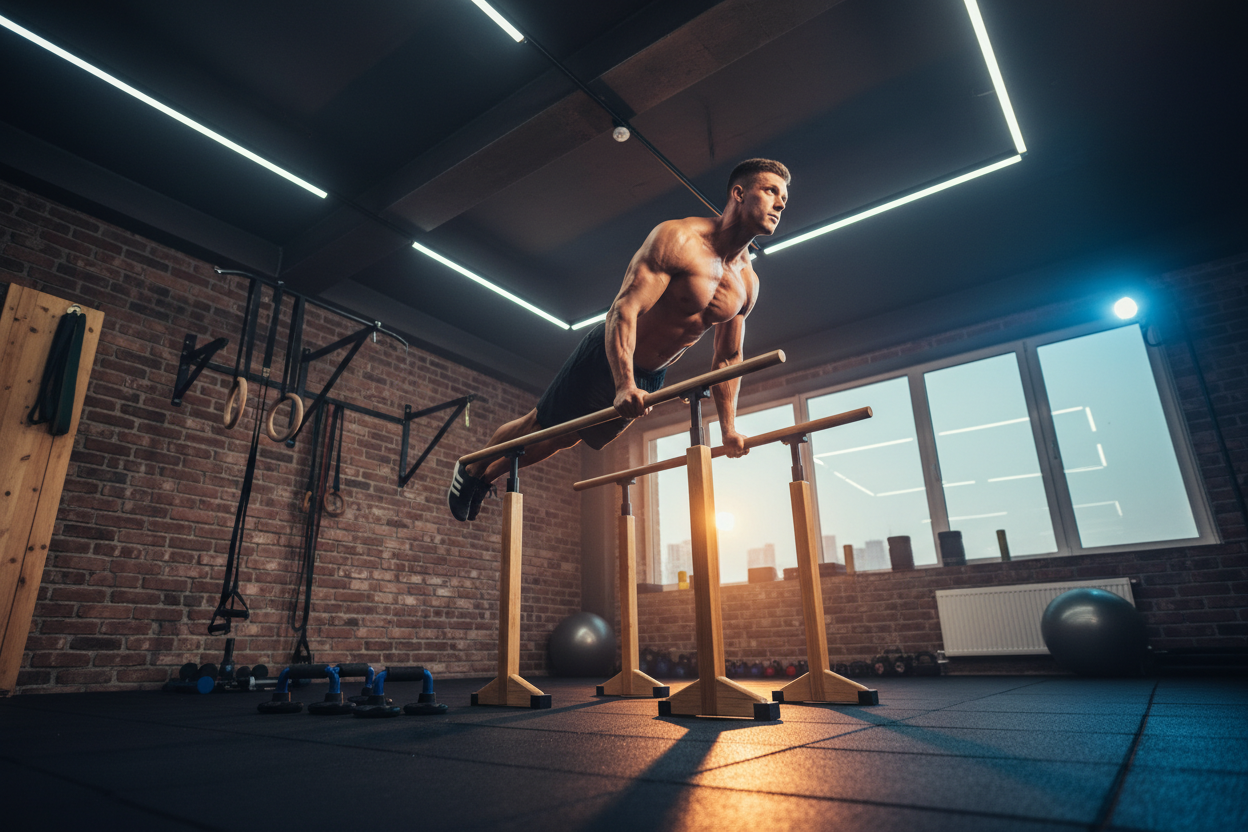
Wrist pain is the silent killer of calisthenics progress. Doing handstands or planches flat on the floor puts immense strain on the wrist joint. Parallettes are specialized equipment for bodyweight training that allow you to maintain a neutral wrist position while increasing your range of motion on pushups.
4. The Weighted Vest
This is how you bridge the gap between calisthenics and bodybuilding. A high-quality vest turns a bodyweight workout machine (your body) into a loaded weapon. It allows you to keep your hands free while adding 20, 40, or 60 pounds to your squats and pull-ups.
Understanding Bodyweight Machines
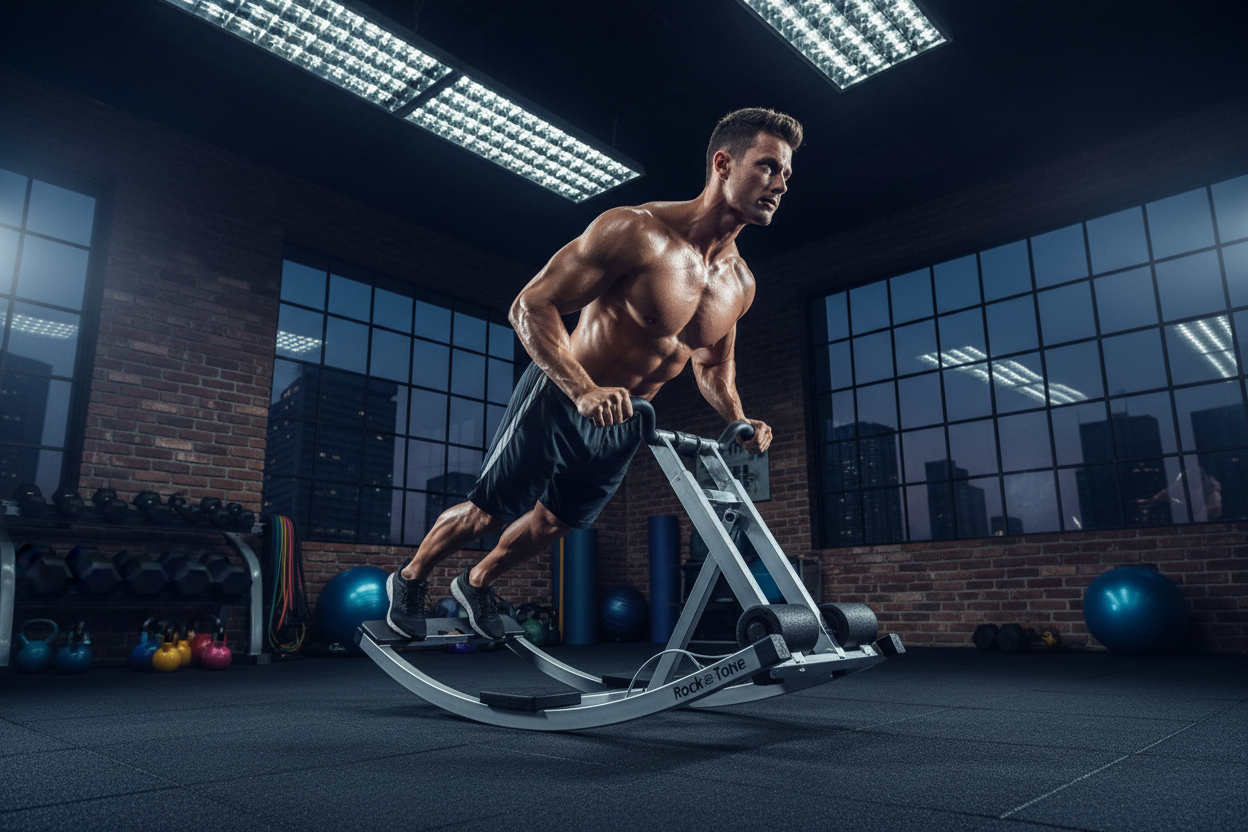
While we often focus on portable gear, there is a place for larger bodyweight machines. You might see a Captain's Chair (for leg raises) or a Glute-Ham Developer (GHD) in commercial gyms. These are often referred to as a weightless workout machine because they use leverage rather than a weight stack.
A bodyweight exercise machine like a back extension bench isolates the posterior chain in a way that is difficult to replicate on the floor. If you have the space, these large-footprint items can address weak points in your posterior chain.
My Personal Experience with Bodyweight Equipment
I want to be real about the transition from weights to calisthenics gear. The first time I bought a set of wooden gymnastic rings, I thought I was strong because I could bench press 225 lbs. I hung the rings over a tree branch, jumped up to try a support hold, and immediately collapsed. The "wobble" was uncontrollable.
It wasn't a lack of strength; it was a lack of stability. I also learned the hard way that cheap plastic rings are a waste of money. Once your hands get sweaty, plastic becomes slippery, whereas wooden rings actually grip better as they absorb a bit of moisture. Another specific detail often overlooked is the buckle placement on the straps. I have a faint scar on my tricep from buying cheap straps where the metal buckle rubbed against my arm during dips. Quality gear matters—specifically, ensuring the buckles have a padded backing or are positioned high enough up the strap so they never touch your skin during a deep dip.
Conclusion
Building a home gym doesn't require thousands of dollars. With a few strategic pieces of bodyweight workout equipment, you can build a physique that is both aesthetic and functional. Start with a pull-up bar and rings, master your body weight, and then add external load. Focus on the movement quality, and the muscle will follow.
Frequently Asked Questions
Can I build muscle with just bodyweight equipment?
Absolutely. Muscle growth is driven by tension and fatigue, not just iron plates. By using bodyweight exercise machines or leverage tools like rings to increase intensity, you can stimulate hypertrophy just as effectively as traditional weightlifting.
What is the best bodyweight equipment for small apartments?
Suspension trainers or gymnastic rings are ideal equipment for bodyweight training in small spaces. They can be hung from a doorway pull-up bar and packed away into a small bag in seconds, leaving zero footprint when not in use.
Are bodyweight machines worth the cost?
It depends on your goals. A body weight gym machine like a GHD or a dip station takes up space but offers stability that portable gear cannot. If you have a garage gym, they are excellent investments. For a living room setup, stick to portable tools.