My Journey to Building the Perfect Home Gym
When I first decided to create a home workout space, I stood in my spare room completely overwhelmed. The internet offered endless options, from simple resistance bands to high-tech smart machines, but which pieces would actually deliver results without collecting dust? After years of trial, error, and consistent training, I've discovered what truly works for building fitness at home.
Starting Simple: The Foundation of Any Home Gym
The most effective home gym often begins with versatile, space-efficient equipment that delivers maximum value. While flashy machines promise quick results, the foundation of my successful home training came from humble beginnings.
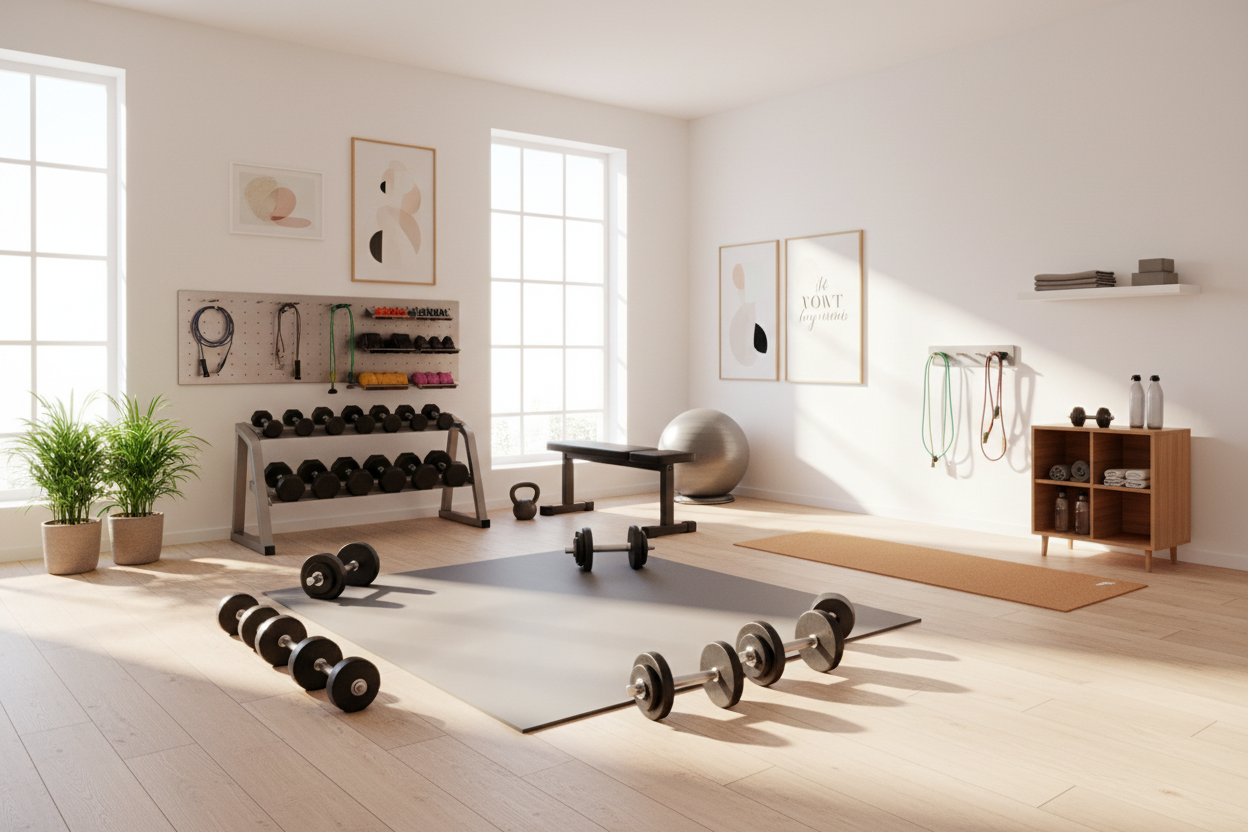
Adjustable dumbbells transformed my workout capability while occupying minimal space. Unlike traditional dumbbell sets requiring extensive rack space, a single pair of adjustables can replace an entire rack. The versatility means you can perform countless exercises from shoulder presses to lunges, gradually increasing weight as you grow stronger.
Resistance bands were another game-changer in my home fitness journey. These deceptively simple tools provide accommodating resistance—meaning the tension increases as you stretch the band—which challenges muscles differently than free weights. I particularly appreciate how they enable exercises like band pull-aparts that counteract the hunched posture many of us develop from desk work.
Creating Comprehensive Workouts with Minimal Equipment
The true test of home gym equipment isn't just quality, but how well it facilitates complete, balanced workouts. Through experimentation, I developed routines that target all major muscle groups using just a few key pieces.
With adjustable dumbbells, a stability ball, and resistance bands, you can perform hundreds of effective exercises. Dumbbell rows build back strength, goblet squats develop legs, chest presses work the upper body, and overhead presses strengthen shoulders. The stability ball adds core engagement to nearly every exercise while also being excellent for targeted abdominal work.
What many beginners overlook is the importance of progression. The equipment that serves you well initially might limit your growth if it doesn't allow for increased challenge. That's why I recommend selecting equipment with weight increments that match your strength level while providing room to grow.
Evaluating Home Exercise Systems: What Actually Works?
The market floods with all-in-one home workout systems promising professional results with minimal effort. Having tested several popular options, I've found that the most effective systems share common traits regardless of their specific approach.
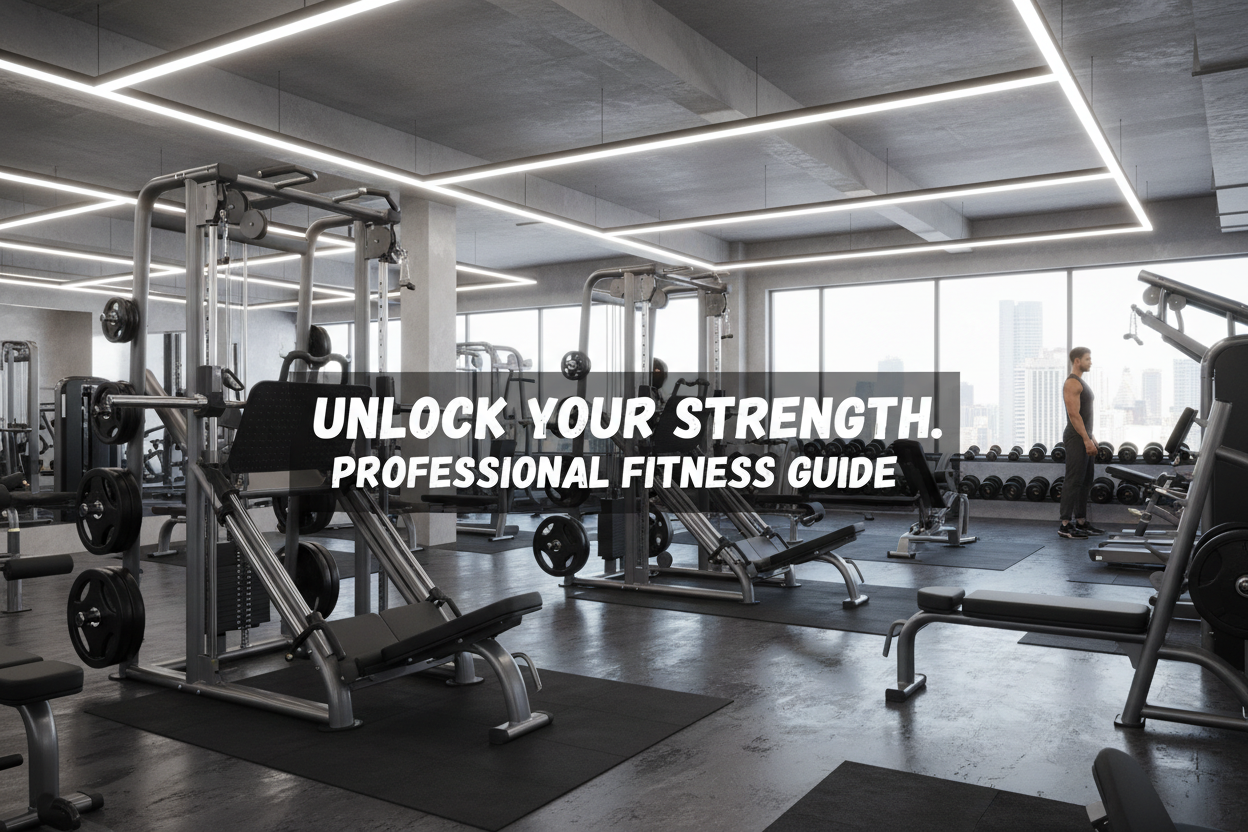
Functional trainer stations represent one category that often justifies their space requirements. These cable machines allow movements in multiple planes of motion, closely mimicking real-world activities while providing comprehensive muscle engagement. The best models offer smooth resistance, sturdy construction, and sufficient weight capacity for long-term use.
Compact home gym systems like the Bowflex PR1000 or Weider Ultimate Body Works provide surprisingly versatile workouts in limited spaces. These often combine resistance bands or rods with benches and pulleys to enable numerous exercises. While they may not feel exactly like commercial gym equipment, their convenience factor dramatically increases workout consistency.
The Rise of Smart Fitness Equipment: Worth the Investment?
Recent years have brought an explosion of connected fitness products promising studio-quality workouts at home. Having incorporated several into my routine, I've developed a balanced perspective on their value proposition.
Interactive fitness mirrors represent one of the most popular new categories. These sleek displays show both your reflection and instructor-led classes, creating an immersive experience. The motivational aspect of live classes can significantly boost consistency, especially for those who thrive on external accountability. However, the subscription costs often match or exceed the equipment payment itself, creating an ongoing financial commitment.
Smart stationary bikes and treadmills with integrated screens have similarly transformed home cardio. The competitive elements and varied programming make monotonous workouts engaging. That said, I've found the experience varies dramatically between platforms, so trying before buying—or at least thoroughly researching the content library—proves essential.
Space-Saving Solutions for Real Homes
Most of us don't have dedicated gym spaces, making equipment storage and setup crucial considerations. Through years of living in apartments and houses with limited space, I've identified the most efficient solutions.
Foldable equipment has revolutionized small-space fitness. Today's market offers folding treadmills, bikes, and even weight benches that tuck neatly against walls or under beds. The key is ensuring the folding mechanism doesn't compromise stability—always check weight capacity and read detailed reviews about sturdiness during use.
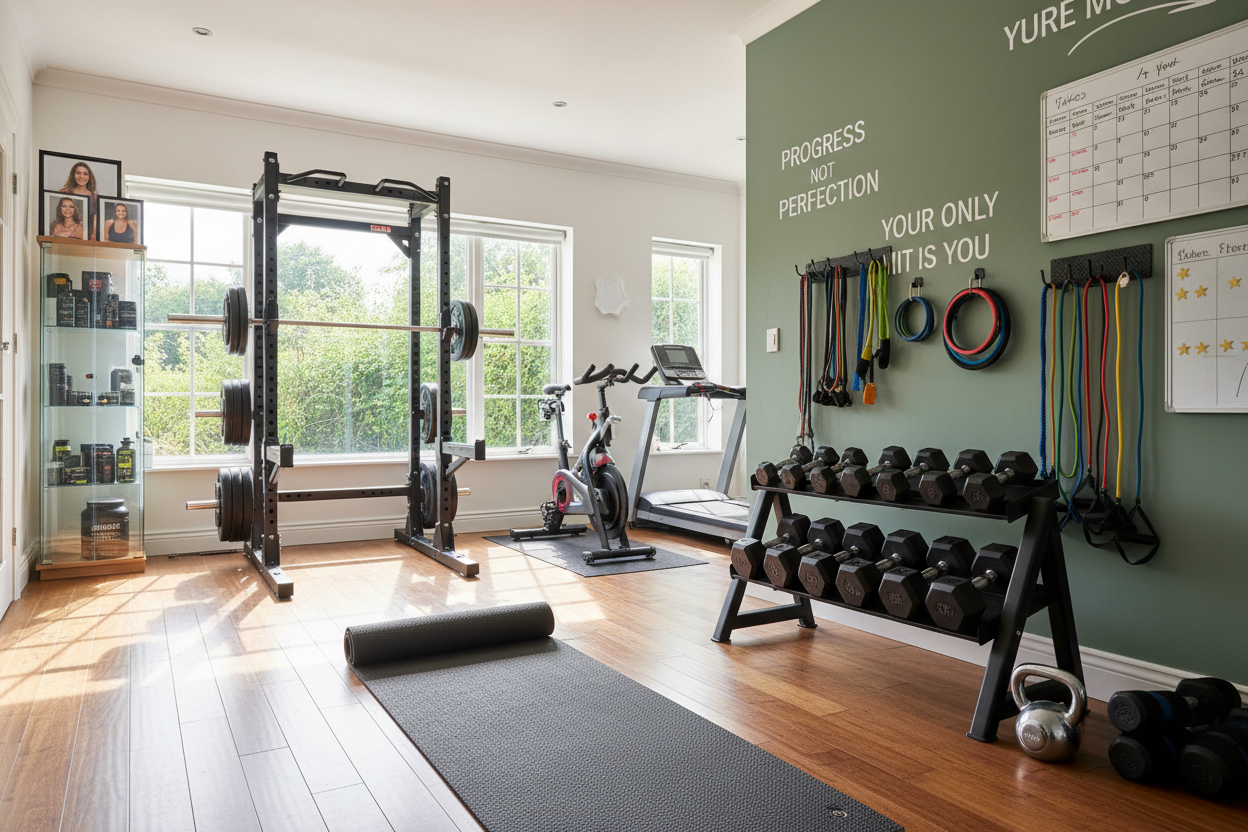
Multi-functional pieces deliver exceptional value in limited spaces. A simple adjustable bench transforms bodyweight exercises, enables proper dumbbell work, and can serve as a step platform. Similarly, power racks that integrate pull-up bars, dip stations, and cable systems consolidate multiple gym functions into one footprint.
Building a Balanced Routine with What You Have
The ultimate success of any home gym lies not in the equipment itself, but in how consistently and effectively you use it. Regardless of your setup, certain principles ensure balanced development.
Always pair pushing movements with pulling exercises to maintain muscular balance. If you perform push-ups or chest presses, complement them with rows or pull-ups. Similarly, balance lower body exercises between quad-dominant movements like squats and hip-dominant exercises like deadlifts or bridges.
Don't neglect mobility work simply because you're at home. Incorporating dynamic stretching before workouts and static stretching afterward prevents injury and maintains range of motion. Resistance bands excel for this purpose, making them doubly valuable in a home setting.
My personal breakthrough came when I stopped seeking the perfect equipment and focused instead on consistent, progressive training with what I had. The modest setup of adjustable dumbbells, resistance bands, and a yoga mat served me better than any single high-tech machine because I used it regularly and with purpose.
Making Your Decision: Practical Considerations
Selecting home workout equipment represents both a financial and spatial investment. Beyond specific product categories, several practical factors determine long-term satisfaction.
Consider noise levels if you live in multi-unit housing. Treadmills and weight drops can disturb neighbors, while suspension trainers, resistance bands, and stationary bikes typically operate quietly. Similarly, floor protection matters for both your surfaces and equipment longevity.
Assembly requirements vary dramatically between products. Some fitness equipment arrives nearly ready to use, while others require significant mechanical aptitude or professional installation. Honestly assess your capabilities and willingness to manage maintenance before committing to complex machinery.
Most importantly, choose equipment aligned with activities you genuinely enjoy. The perfect theoretical workout means nothing if you dread performing it. Whether through sport-specific training, dance-based systems, or traditional strength work, sustainable fitness comes from consistency, and consistency comes from enjoyment.
Looking back at my journey from that overwhelmed beginner to someone who confidently trains at home, the key insight is this: the best equipment isn't necessarily the most expensive or technologically advanced—it's what you'll use regularly to move toward your personal fitness goals. Start with versatile basics, master them, then expand strategically as your practice deepens.