Building a Stronger Posterior: The Real Science Behind Glute Growth
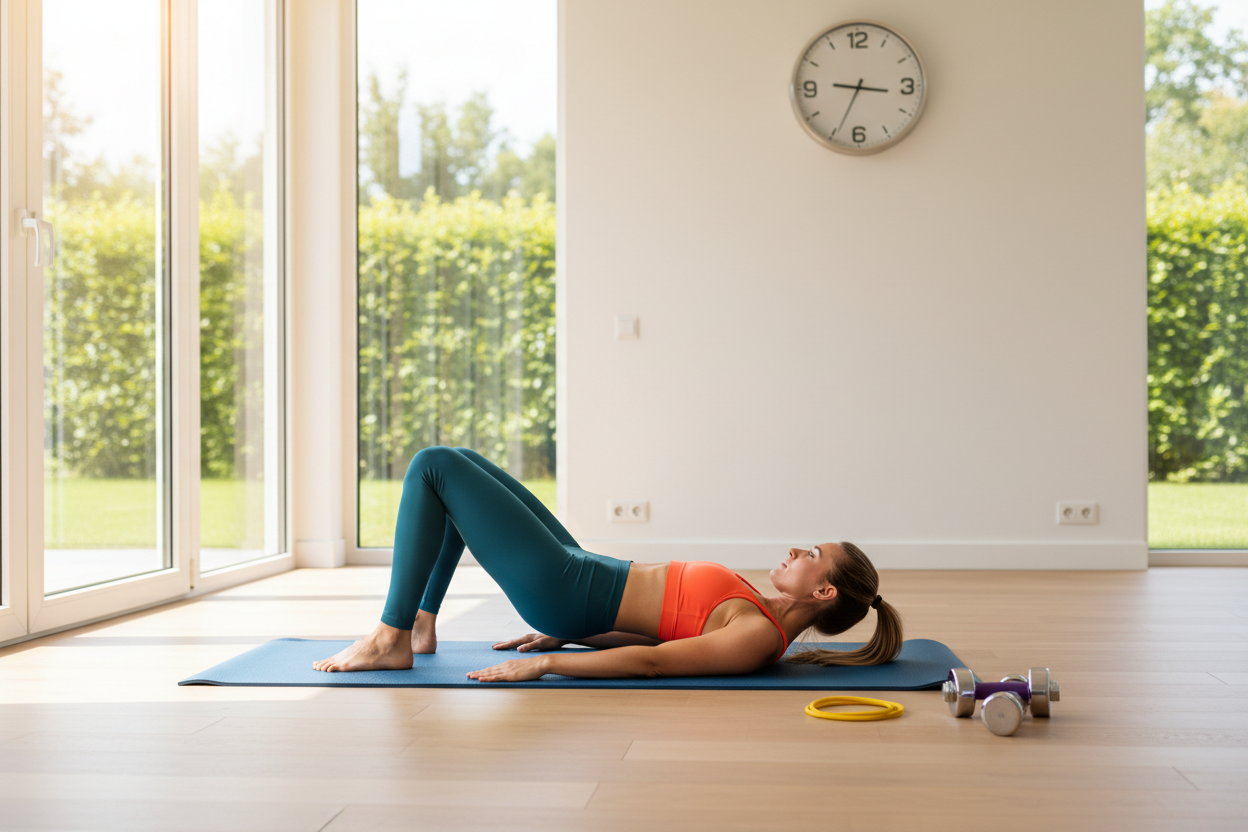
Most people chasing aesthetic goals eventually find themselves scrolling through social media, wondering how top fitness influencers built their physiques. You see these glute models posting videos of band walks and light kickbacks, creating a somewhat distorted reality of what is required to build significant muscle tissue. While activation exercises have their place, the foundational truth is that muscle growth requires tension, stress, and recovery. If your goal is substantial hypertrophy, you need to move iron.
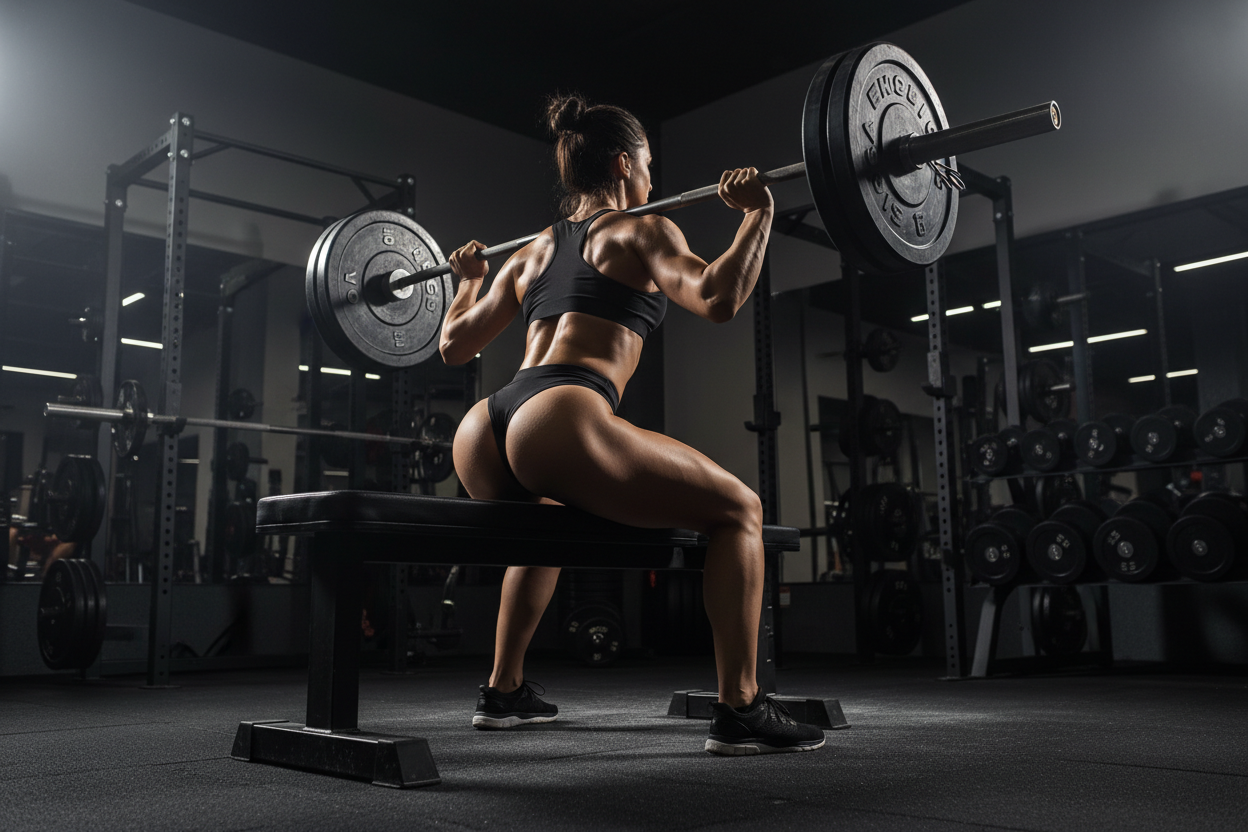
I learned this lesson the hard way early in my lifting career. For months, I avoided the heavy compound lifts, sticking strictly to isolation machines and high-repetition bodyweight movements because I was intimidated by the squat rack. I saw zero changes in my physique. It wasn't until I dropped the fear, picked up a barbell, and committed to glutes weight training that my body composition actually began to shift. The posterior chain contains the largest muscles in the human body; they are designed to move heavy loads, and they simply will not grow if you treat them delicately.
The Mechanics of Hypertrophy
Building mass is a biological adaptation to stress. When you perform a glutes workout in the gym, you are essentially creating microscopic tears in the muscle fibers. During rest, the body repairs these fibers to be thicker and stronger than they were before, anticipating that you will subject them to that stress again. This process relies heavily on progressive overload—consistently increasing the weight, reps, or intensity over time.
Many gym-goers spin their wheels because they do the same workout with the same 20-pound dumbbells for a year. To see the results associated with a muscular physique, you must track your numbers. If you hip thrusted 135 pounds for 10 reps last week, you should aim for 140 pounds or 11 reps this week. This constant demand for adaptation is what forces growth.
The Heavy Hitters: Compound Movements
When curating the top glute exercises for mass, we have to look at movements that allow for the greatest mechanical load. These are exercises where you can safely move heavy weight while maintaining tension on the target muscle.
The Barbell Hip Thrust
This is arguably the gold standard for posterior development. Unlike squats, which involve significant quad and back engagement, the hip thrust places the load directly on the hips in a shortened position. The gluteus maximus is most active at full extension. By placing a loaded barbell across the hips and driving upward against gravity, you achieve peak contraction where the muscle is strongest.
Setup matters here. Use a bench that hits just below your shoulder blades. Keep your chin tucked and your ribs down to prevent hyperextending your lower back. The drive should come entirely from the hips, not the lumbar spine.
Romanian Deadlifts (RDLs)
While the hip thrust challenges the muscle in the shortened position, the RDL challenges the glutes and hamstrings in the lengthened (stretched) position. Muscle damage, a key factor in hypertrophy, often occurs most significantly during the eccentric (lowering) phase of a lift. The RDL is practically pure eccentric loading.
Keep a slight bend in your knees, but do not turn it into a squat. Imagine trying to close a car door with your backside. Push your hips back as far as they can go. Once your hips stop moving back, stop lowering the bar. Going lower usually just rounds the back and shifts tension away from the target area.
Unilateral Training for Balance
Bilateral movements (using both legs) are great for total load, but good glute exercises at the gym must also include single-leg work. This fixes imbalances and forces the glute medius (the upper/side glute) to work overtime to stabilize the pelvis.
Bulgarian Split Squats
This exercise has a reputation for being grueling because it works. By elevating the rear foot, you place the majority of your body weight plus external load onto the front leg. To bias the glutes rather than the quads, take a slightly longer stance and lean your torso forward (about 45 degrees) while keeping a neutral spine. This hip flexion stretches the glute at the bottom, allowing for a powerful contraction on the way up.
Reverse Lunges
If balance is a major limiting factor with split squats, reverse lunges are a fantastic alternative. Stepping backward is generally safer for the knees than stepping forward and allows for a greater hip hinge. You can load these heavily with dumbbells hanging at your sides or a barbell on your back.
Structuring Your Routine
A comprehensive glutes workout in the gym should not be a random assortment of machines. A logical structure ensures you hit all movement patterns without overtraining. A solid approach is to start with your heaviest compound lift, such as the Hip Thrust or a Sumo Deadlift, while your central nervous system is fresh.
Follow the heavy compound movement with a stretch-focused exercise like the RDL or a 45-degree hyperextension. Finish the session with high-repetition metabolic stress work. This is where those pump-focused exercises you see online fit in. Cable kickbacks, seated abduction machine work, or lateral band walks serve as excellent finishers to fully fatigue the muscle fibers after the heavy lifting is done.
The Role of Nutrition and Recovery
You can have the perfect training split and execute every rep with surgical precision, but without adequate fuel, the physique of those glute models will remain out of reach. Muscle tissue is metabolically expensive. The body does not want to build it unless it has a surplus of energy (calories) and building blocks (protein).
Eating at maintenance calories or in a deficit makes building mass incredibly difficult, especially for natural lifters. You likely need a slight caloric surplus. Prioritize protein intake roughly around 0.7 to 1 gram per pound of body weight. Sleep is equally non-negotiable; growth hormone is released during deep sleep cycles. If you are cutting sleep short, you are cutting your results short.
Mind-Muscle Connection
Simply moving weight from point A to point B isn't enough. You need to feel the muscle working. This is often called the mind-muscle connection. During warm-up sets, slow down the tempo. Squeeze at the top of the movement. If you are squatting but only feel it in your quads and lower back, you may need to adjust your stance or reduce the weight until you can actively engage the posterior chain. Quality reps will always trump ego lifting.
Common Questions About Glute Training
How often should I train my glutes for maximum growth?
For most lifters, training glutes 2 to 3 times per week is the sweet spot. This frequency allows for high-quality volume while giving the muscles roughly 48 hours to recover between sessions. Training them every day usually leads to diminishing returns and potential overuse injuries.
Can I build glutes without growing my thighs?
It is nearly impossible to completely isolate the glutes without some quad or hamstring involvement, as most compound movements use the entire leg. However, you can minimize leg growth by prioritizing hip-dominant movements like hip thrusts and 45-degree hyperextensions over knee-dominant movements like squats and leg presses.
How long does it take to see noticeable results?
Building muscle is a slow biological process. With consistent training and proper nutrition, you might feel stronger within a month, but visible structural changes typically take 3 to 6 months of dedicated effort. Patience and consistency are your most important tools.