Building a Pro-Level Home Gym on a Budget: A Real-World Guide
Building a home gym often feels like a tug-of-war between your fitness goals and your bank account. You want equipment that can withstand heavy lifting sessions without wobbling, but you likely don't want to spend the equivalent of a down payment on a car for a few pieces of steel. The sweet spot usually lies in mid-range retailers that bridge the gap between flimsy budget gear and high-end commercial outfitters. This is where big-box sporting goods stores come into play, offering a practical solution for lifters who need accessibility and durability.
I remember standing in my garage about five years ago, staring at a pile of mismatched plates and a rusty bar I’d picked up from a yard sale. It was miserable. The bar had no spin, which wrecked my wrists during cleans, and I had nowhere to rack it for squats. I realized that if I wanted to take training seriously at home, I needed a proper setup. I drove to the nearest Academy Sports + Outdoors, skeptical but hopeful. I walked out with a truck bed full of gear that became the backbone of my training for years. That trip taught me that you don't need a logo from a boutique fitness brand to get strong; you just need steel that holds up.
The Centerpiece: Selecting a Reliable Rack
Every home gym needs a heart, and that heart is the power rack. Without one, you are severely limited in your ability to squat and bench press safely, especially if you train alone. When I started looking for an academy/weight rack, my main criteria were safety catches and a pull-up bar. You need a cage that won't tip over when you rack a heavy squat.
The options generally range from half-racks, which save space, to full power cages. A full cage offers the highest safety profile because you are lifting inside the structure. If you fail a lift, the safety bars catch the weight, not your chest. For those with limited floor space, a squat stand or half-rack might be the only option, but ensure the base is wide enough to prevent tipping. The academy sports weight rack selection typically includes brands like Marcy or CAP, which are staples in the garage gym community. These racks usually feature standard 1-inch or 2-inch hole spacing, allowing for decent adjustability for bench press and squat heights.
When assembling your rack, don't just tighten the bolts and forget them. Weights cause vibration. Over time, those bolts will loosen. Keep a wrench handy and check the stability of your rig once a month. It takes thirty seconds and ensures the structure remains solid.
The Barbell and Bench Equation
You can compromise on plates—gravity doesn't care if the iron is rusty or shiny—but you should never compromise on the barbell. The bar is the connection point between you and the load. A cheap bar will bend permanently under heavy load, and worse, the sleeves (the ends where the weights go) might not rotate. If the sleeves don't spin, the rotation of the plates transfers to your wrists and elbows, leading to injury.
When inspecting an academy bench press bar, check the knurling—the rough texture on the metal. You want it aggressive enough to provide a grip but not so sharp it shreds your hands. Most general-purpose bars found in these stores are 7-foot Olympic bars weighing 45 pounds (20kg). They are versatile enough for powerlifting movements and general strength training.
Paired with the bar, you need a surface to lift on. Buying a weight bench with weights academy packages can be a smart financial move. These bundles often include the bench, a bar, and a starter set of plates (usually totaling 300 lbs). This is the fastest way to get a gym operational. However, look closely at the bench in these sets. If you plan on pressing heavy weight, avoid benches that have a leg extension attachment permanently fixed in a way that obstructs your footing. A flat, utility bench is often superior for raw strength work because it provides a stable platform without moving parts that can break.
Taming the Dumbbell Chaos
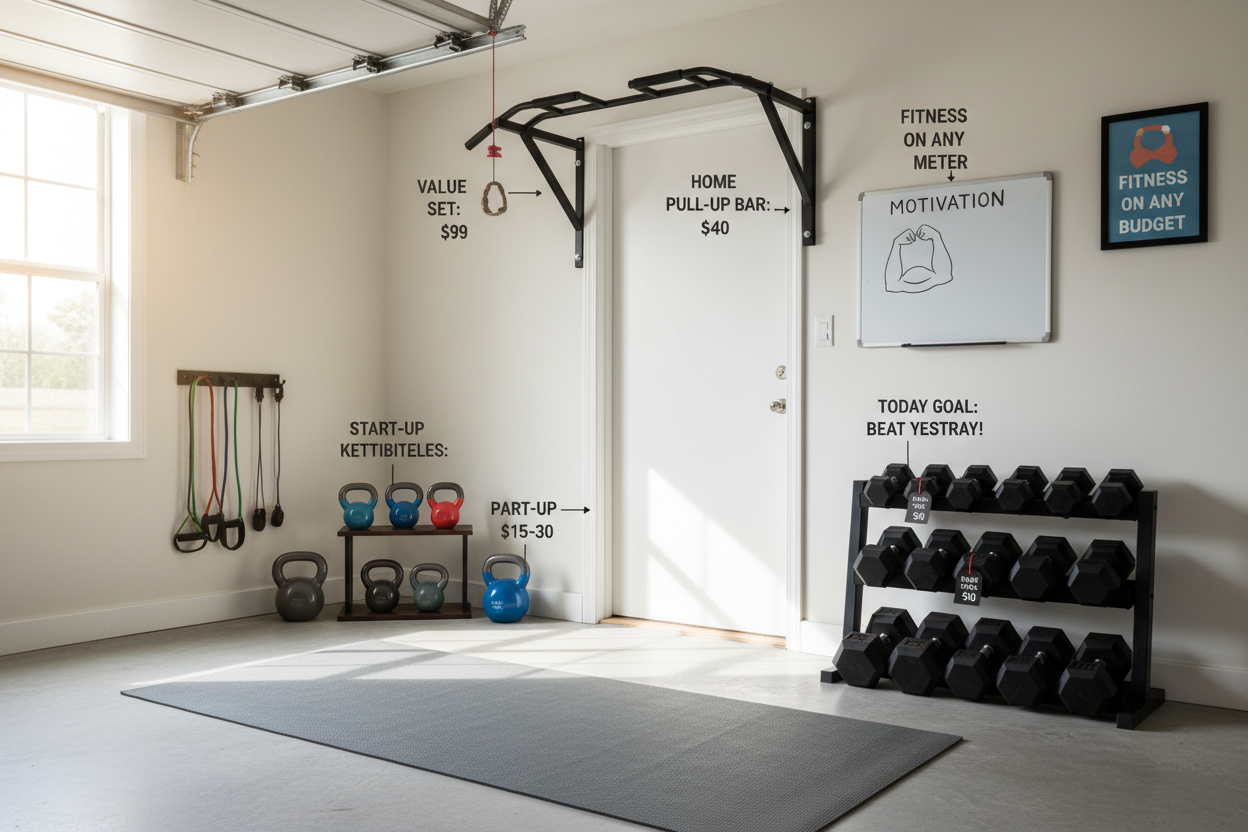
Once you move past the big compound lifts, accessory work usually involves dumbbells. The problem with dumbbells is that they multiply. You start with a pair of 20s, then you need 30s, and suddenly your floor is a minefield of tripping hazards. Organization isn't just about aesthetics; it's about safety and workflow. Nothing kills the momentum of a superset like hunting for the matching 45-pound weight.
Investing in a dumbbell rack academy carries is essential once you own more than three pairs. There are generally two designs: the A-frame and the horizontal tier. The A-frame is excellent for tight corners and vertical storage, usually holding 5 to 6 pairs. The horizontal, two- or three-tier racks take up more wall space but are much easier to load and unload without pinching your fingers.
If you are looking at an academy sports dumbbell rack, check the width of the rails. Some racks are designed specifically for hex dumbbells (the ones with flat sides), while others are better suited for round, pro-style dumbbells. If the rails are too far apart, smaller weights might fall through. If they are too close, the handles might not fit securely. A sturdy rack also protects your dumbbells from the wear and tear of being dropped on concrete, extending the life of the rubber coating or paint.
Longevity and Maintenance of Your Gear
Setting up the gym is the fun part; keeping it running requires a bit of discipline. Home gyms are often located in garages or basements where humidity can be an issue. Moisture is the enemy of iron. Even if your equipment is powder-coated, scratches will happen, and rust will follow.
Wipe down your barbell after every session. The chalk and sweat from your hands attract moisture and will corrode the knurling. A simple brush with a nylon bristle and a light coat of 3-in-1 oil once a month will keep the academy bench press bar spinning smoothly for decades. For the racks and benches, a quick wipe with a silicone-based spray can repel dust and moisture.
Ultimately, the best gym is the one you use. Whether you start with a simple weight bench with weights academy set or build out a full power cage setup, the key is consistency. The equipment available at big-box retailers has evolved significantly. It used to be that you had to order from specialty warehouses to get safe gear, but the gap has closed. You can now walk into a store, load up a cart, and be squatting in your garage the same afternoon. That convenience eliminates the biggest hurdle to fitness: getting started.
Frequently Asked Questions
What is the difference between standard and Olympic weight sets?
Standard weights have a 1-inch hole and are typically used for lighter, beginner setups. Olympic weights have a 2-inch hole and fit on thicker, sturdier bars capable of holding much heavier loads. For long-term growth and compatibility with most modern racks, Olympic gear is the better investment.
How much weight capacity do I really need for a home bench?
Look for a bench with a total weight capacity (user weight + lift weight) of at least 600 pounds. Even if you only bench 200 pounds, a higher weight rating indicates better steel quality and stability, ensuring the bench won't wobble during your lift.
Can I use a dumbbell rack for kettlebells or medicine balls?
Most standard dumbbell rails are designed specifically for the handle width of dumbbells and won't securely hold kettlebells. However, many retailers sell "universal" storage trays or flat-shelf racks that can accommodate kettlebells, medicine balls, and dumbbells simultaneously.