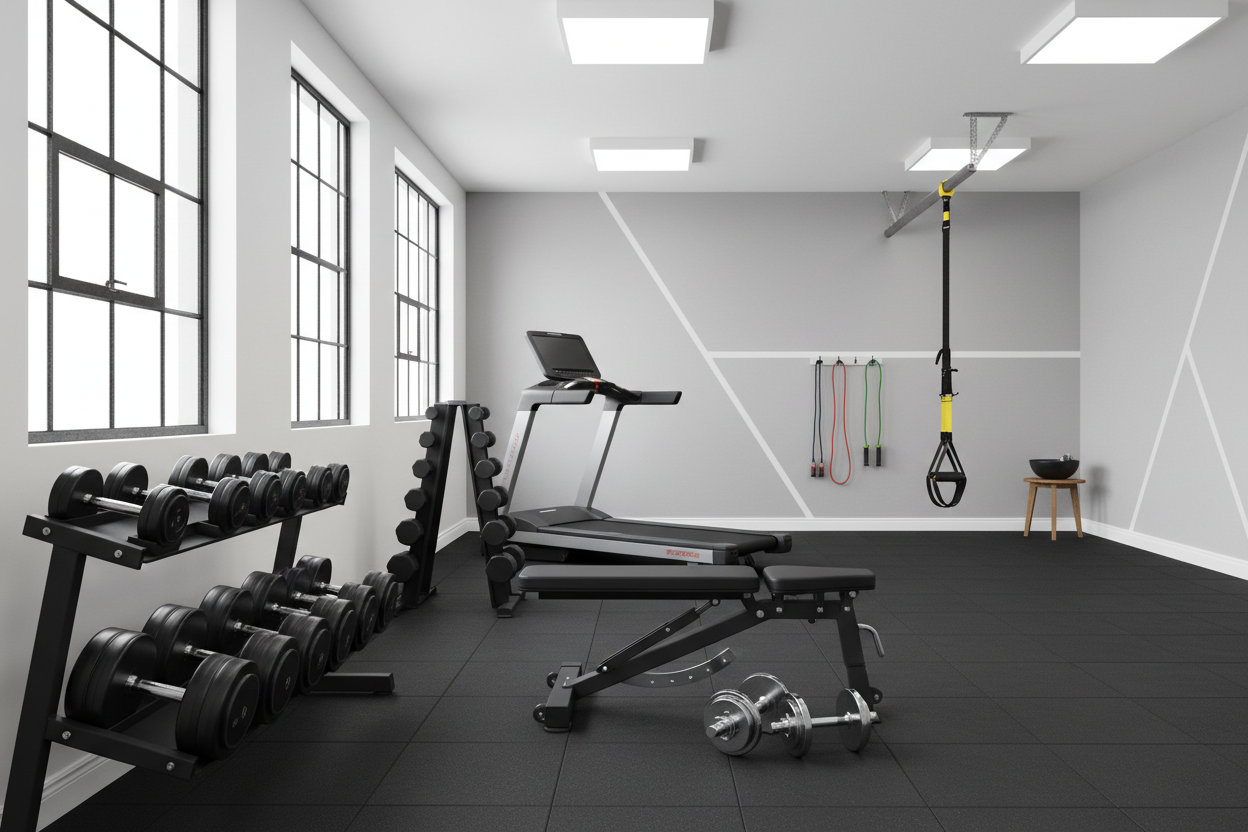
Building a Complete Physique With One Exercise Machine Home Gym
You know the feeling. It’s 6:00 PM, the commercial gym is packed, and you are waiting ten minutes for the cable crossover station. This is usually the tipping point where lifters decide to invest in an exercise machine home gym. But moving your training to the garage or spare room isn't just about convenience; it is about controlling your environment to maximize hypertrophy and strength gains without distractions.
Quick Summary: Choosing Your Setup
- Assess Your Footprint: Measure ceiling height specifically for pull-up attachments and overhead press clearance.
- Resistance Type: Choose between selectorized weight stacks (faster supersets) or plate-loaded systems (cheaper, higher weight capacity).
- Cable Ratio Matters: A 2:1 ratio is standard for functional trainers, offering smoother travel for dynamic movements.
- Versatility is King: Look for units that combine a Smith machine, power rack, and functional trainer into one footprint.
The Evolution of Home Gym Units
Gone are the days when a home setup meant a rusty bench and a few concrete-filled vinyl weights. Modern home gym units have evolved into biomechanically accurate pieces of engineering. The goal is to replicate the feel of commercial equipment within a compact square footage.
When looking at strength machines for home, you generally have two paths: the all-in-one functional trainer or the classic multi-station "universal" style setup. The former allows for free-weight movements combined with cables, while the latter locks you into fixed planes of motion.
Weight Stacks vs. Plate Loaded Systems
This is the biggest debate when buying a home gym machine with weights.
Selectorized Weight Stacks
These are the machines with the pin you slide into a block of weights. They are superior for metabolic conditioning and drop sets because changing resistance takes seconds. However, they are significantly heavier to ship and move.
Plate-Loaded Machines
A plate-loaded weight lift machine at home uses the weight plates you likely already own (Olympic 2-inch plates). These machines leverage leverage arms or cable carriages that you manually load. They are generally more affordable and less prone to mechanical failure since there are fewer moving parts.
Integrating Body Weight and Cables
A massive mistake people make is ignoring calisthenics. The best setups often function as a body weight machine for home as well. Look for units that include multi-grip pull-up bars and dip station attachments.
If you are limited on space, a wall-mounted cable pulley system can act as effective workout weight machines for home without eating up floor space. These allow for face pulls, tricep extensions, and lat work, which are difficult to replicate with dumbbells alone.
Sourcing Your Equipment
Buying brand new isn't always necessary. You can often find a high-quality universal gym machine for sale on secondary markets. Older commercial units from the 90s are often built with heavier gauge steel than modern budget consumer goods.
However, be wary of proprietary parts. If a cable snaps on a vintage machine, ensure you can source a replacement or that it uses standard fittings.
My Training Log: Real Talk
I want to be honest about the transition to home machines because the marketing photos never tell the full story. My first major purchase was a plate-loaded functional trainer. The brochure looked pristine, but here is what they didn't mention: the drag.
When I first assembled it, the friction on the guide rods was terrible. I’d be doing a cable fly, and the eccentric portion (the way back) would stutter. It didn't feel like smooth tension; it felt like I was fighting the machine. I learned the hard way that you have to silicone spray those rods weekly if you keep the unit in a garage where humidity fluctuates.
Also, nobody warns you about the noise of a plate-loaded carriage hitting the bottom stopper. It shakes the whole house in a way a selectorized stack doesn't. If you have a baby sleeping upstairs or thin walls, that metallic "clank" is a dealbreaker. These are the unpolished realities you only figure out after you've tightened the last bolt.
Conclusion
Building a physique at home requires equipment that inspires you to train hard. Whether you choose a compact functional trainer or a heavy-duty rack system, the best machine is the one that fits your biomechanics and your available space. Measure twice, buy once, and prioritize smooth cable travel over flashy add-ons.
Frequently Asked Questions
Can I build muscle with just a home gym machine?
Absolutely. Your muscles do not know if resistance comes from a rusty garage unit or a $5,000 commercial piece. As long as you can apply progressive overload (adding weight or reps over time) and maintain tension, a home machine is perfectly capable of building significant muscle mass.
How much space do I need for a home gym machine?
For most multi-functional trainers, you need a footprint of roughly 5x5 feet, but you must account for "working space." You need an additional 2 to 3 feet of clearance in front of the machine to perform lunges, rows, or bench presses safely without hitting the wall.
Is a Smith machine better than a free weight rack?
They serve different purposes. A Smith machine offers stability and safety for solo training, allowing you to push closer to failure without a spotter. A free weight rack requires more stabilization from your muscles. The ideal home setup often combines both or uses a "half-rack" with safety spotter arms.