Build Strong, Sculpted Legs: Your Guide to the Most Effective Gym Movements
Walking into the gym and seeing the array of machines can be overwhelming, especially when your goal is to build stronger, more defined legs. Knowing which movements to choose and how to perform them correctly is the difference between a mediocre workout and one that delivers real results. This guide will walk you through the essential leg exercises, from foundational power moves to targeted isolation work, complete with the names and descriptions you need to confidently build your routine.
Your legs are the foundation of your body, housing some of the largest and most powerful muscle groups. A well-rounded approach to leg training doesn't just improve your appearance; it boosts overall athleticism, supports joint health, and increases your metabolic rate. The key is to understand the purpose behind each movement and how they work together.
The Foundational Power Moves
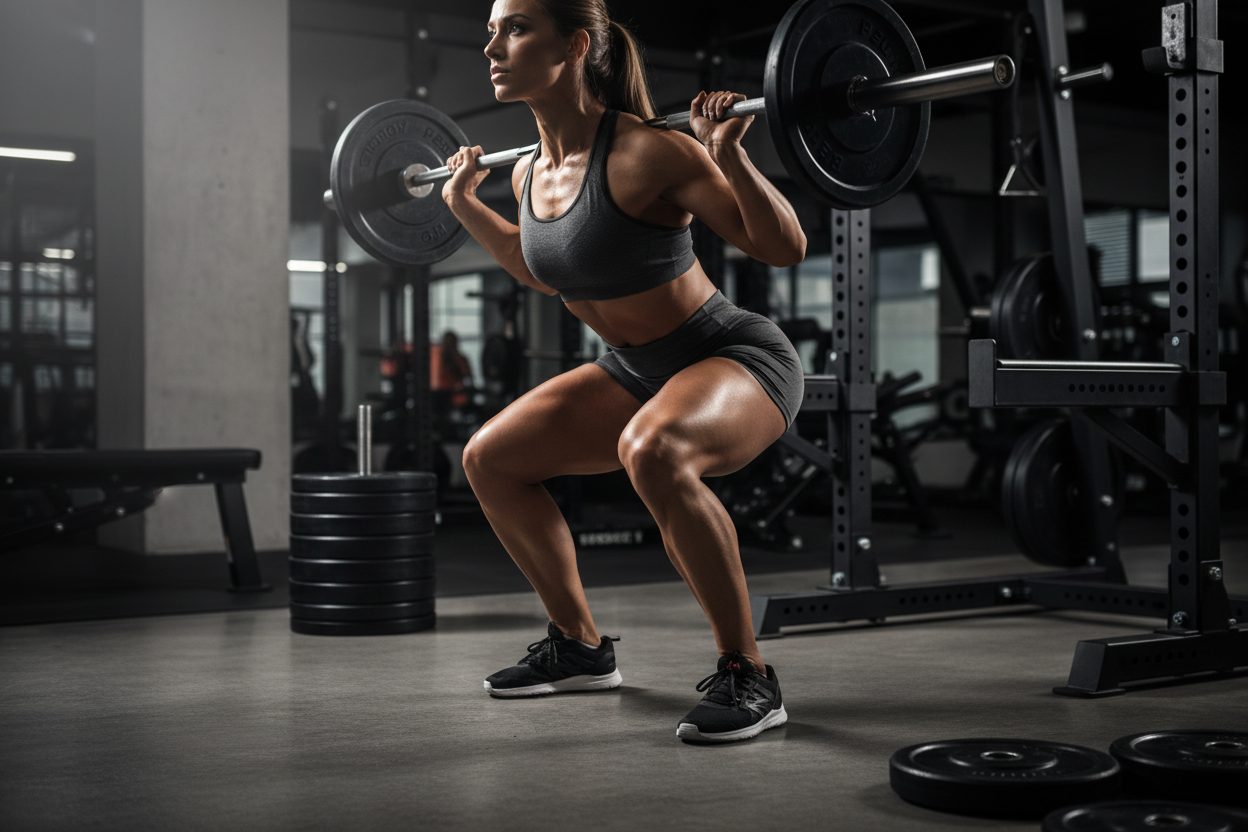
If you only have time for a few exercises, make it these. Compound movements that involve multiple joints and muscles should form the core of your leg day. The barbell back squat is arguably the king of all leg exercises. It primarily targets your quadriceps on the front of your thighs, but also heavily engages your glutes, hamstrings, and core. Proper form is non-negotiable: keep your chest up, back straight, and descend until your thighs are at least parallel to the floor. Following squats, the Romanian deadlift is a masterpiece for the posterior chain. This movement, hinging at the hips with a slight knee bend, places an incredible stretch and load on your hamstrings and glutes, building strength and improving the shape of the back of your legs.
Targeting Specific Muscle Groups
Once the heavy compound work is done, it's time to focus on specific areas. For direct quad development, the leg extension machine is unparalleled. This isolation exercise allows you to zero in on the teardrop shape of the vastus medialis and the overall sweep of the quads. Conversely, the lying leg curl machine is the go-to for isolating the hamstrings. By flexing your knees against resistance, you can build balance between the front and back of your thighs, which is crucial for knee health and athletic performance. Don't neglect your inner and outer thighs; movements like the seated hip adductor and abductor machines help create balanced development and stability.
I remember when I first started focusing on my legs, I'd leave the gym feeling like I had done enough, but progress was slow. The turning point came when I stopped treating leg day as an afterthought and started prioritizing these foundational movements with intent. Instead of just going through the motions on the leg press, I began tracking my progress on squats and Romanian deadlifts, focusing on adding weight or reps over time. The difference wasn't just in how my legs looked, but in how much stronger and more stable I felt during every other activity, from hiking to simply climbing stairs.
Building a Coherent Leg Day Routine
A great workout is more than a random collection of exercises. Structure your session to begin with the most demanding, multi-joint movements while you're fresh. A sample routine might start with barbell squats, move to Romanian deadlifts, then incorporate a pushing movement like the leg press or walking lunges. Finish with 2-3 isolation exercises, like leg extensions, leg curls, and calf raises. This flow ensures you can lift heavy on the big lifts without being pre-fatigued, and then polish off the targeted muscles effectively. Remember, consistency with proper form over weeks and months is what builds the physique you're after, not one heroic workout.
Pictures Are Worth a Thousand Reps
While descriptions are helpful, visual guides are invaluable for learning proper form. When looking up leg exercises names with pictures, seek out reputable fitness websites or certified trainer videos that show the movement from multiple angles. Pay close attention to the setup, the path of the bar or machine, and the positioning of the spine and knees. A clear image can instantly clarify a written cue, helping you internalize the movement pattern and avoid common mistakes that could lead to injury.
Beyond the Basics: Adding Variety
As you become more experienced, introducing variety can break plateaus and keep training engaging. Bulgarian split squats are a brutal but effective unilateral exercise that builds single-leg strength and stability. Hack squats, performed in a machine, allow for deep range of motion with less spinal loading, which can be great for quad focus. Incorporating step-ups, box jumps, or even sled pushes can translate your gym strength into real-world power and endurance. The world of leg training is vast, and these variations ensure your muscles are constantly adapting and growing.
Frequently Asked Questions
How often should I train legs?
For most people aiming to build muscle and strength, training legs 1-2 times per week is sufficient. This allows for adequate recovery, which is when muscles actually repair and grow. Ensure you have at least one full day of rest between intense leg sessions.
I feel squats mostly in my back, not my legs. What am I doing wrong?
This often indicates a form issue, commonly leaning too far forward or not engaging your core. Focus on "sitting back" into the movement, keeping your chest up and your weight through your mid-foot. Starting with bodyweight or goblet squats to master the pattern can be very helpful before adding a barbell.
Are machines or free weights better for leg development?
Both have their place. Free weights like barbells and dumbbells require more stabilizer muscle engagement and build functional strength. Machines are excellent for isolating specific muscles, allowing you to push closer to failure safely. A balanced program uses both.