Build Steel Wheels: The Ultimate Guide to Anterior Leg Training
Leg day often gets a bad reputation for being grueling, long, and exhausting, but the results are undeniable. If you are looking to build a physique that looks powerful and functions athletically, you cannot rely solely on heavy compound movements like deadlifts. You need to isolate the front of the leg and the stabilizers that keep you upright. Focusing specifically on a quads calves and core workout allows you to target the aesthetic muscles of the lower body while reinforcing the midsection strength required to protect your lower back.
This approach differs from a general leg day because it shifts focus away from the hamstrings and glutes, allowing you to pour all your energy into the anterior chain. By grouping these muscle groups, you create a session that improves explosive power, knee stability, and abdominal strength simultaneously. Whether you are training for hypertrophy or general fitness, this split is efficient and brutal in the best way possible.
The Reality of Leg Training
I spent the first few years of my lifting life obsessed with heavy back squats. I thought that if I could just move more weight, everything else would fall into place. While my thighs got bigger, I developed a physique that was all upper-leg mass with zero calf development and a core that collapsed under heavy loads. I remember waking up with lower back pain constantly, blaming it on my mattress rather than my lack of core integration. It wasn't until I started dedicating specific sessions to high-volume quad isolation paired with direct calf and ab work that the pain vanished and my legs actually looked balanced. You have to check your ego at the door and focus on the contraction, not just the weight on the bar.
Designing an Effective Quad Circuit Workout
To really force growth in the quadriceps, you need time under tension. The quadriceps are large muscles composed of four heads, and they respond exceptionally well to metabolic stress. This is where a quad circuit workout shines. Instead of doing a set, resting for three minutes, and scrolling through your phone, you keep moving. This keeps the heart rate high and floods the muscle with blood, creating a pump that signals the body to repair and grow.
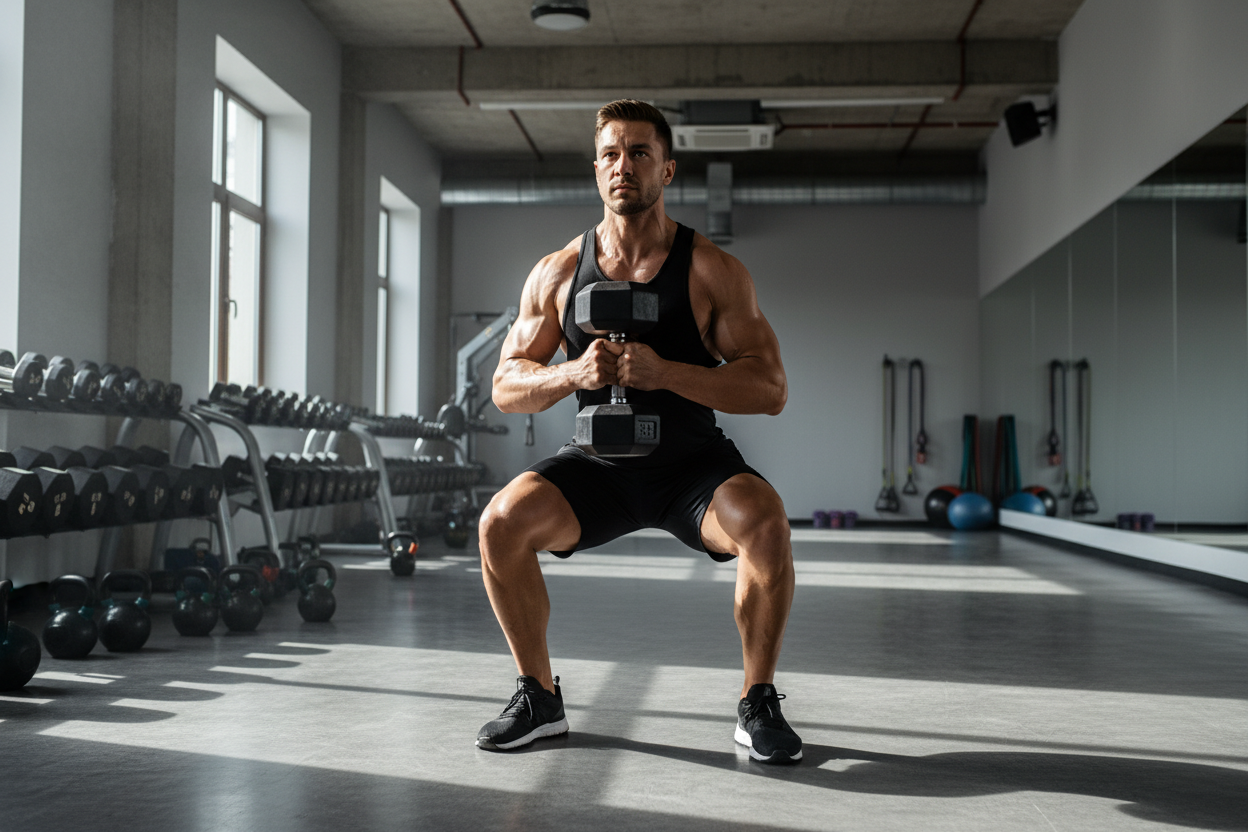
A solid circuit focuses on mechanical disadvantage. You start with the hardest movement and regress to easier movements as fatigue sets in. For example, you might begin with a loaded movement like a goblet squat, transition immediately into walking lunges, and finish with bodyweight step-ups. By the time you finish the third exercise, your legs should feel heavy, almost like they are filled with lead. That feeling is the indicator of a successful session.
Sample High-Intensity Circuit
Perform one exercise after another with zero rest. Rest for 90 seconds only after completing all three movements. Repeat for 4 rounds.
- Heels-Elevated Goblet Squats (12 reps): Elevating the heels shifts the center of gravity forward, placing almost all the load on the quads rather than the glutes. Keep your torso vertical.
- Reverse Lunges (10 reps per leg): Step back, drop the knee, and drive up through the front heel. This maintains tension on the front leg.
- Jump Squats (15 reps): Explosive movement to burn out the remaining glycogen in the muscle fibers.
Integrating Calves and Core
Many lifters treat calves and abs as an afterthought, tossing in a few lazy sets at the end of a workout if they have time. This is a mistake. Your calves are the shock absorbers for every step you take, and your core is the transfer case for power between your lower and upper body. Structuring a quads calves and core workout means giving these smaller muscle groups the same intensity you give your squats.
The best way to tackle this is by weaving these exercises between your major compound lifts or dedicating the second half of your session entirely to them. Since calves recover relatively quickly, you can train them with high volume. The core, conversely, needs to be trained for stability (resisting movement) rather than just flexion (crunching).
The Finisher Routine
Once your heavy quad work is done, move to this tri-set. This ensures you leave the gym with a full anterior chain burnout.
- Standing Calf Raises: Go heavy here. The gastrocnemius (the large part of the calf) responds to heavy loads. Pause at the bottom for a full second to eliminate the stretch reflex.
- Hanging Leg Raises: Hang from a pull-up bar and raise your legs to parallel or higher. Avoid swinging. This targets the lower abdominals and hip flexors, which pairs perfectly with quad training.
- Seated Calf Raises: This targets the soleus, the muscle underneath the main calf muscle. Use higher reps here, aiming for 15 to 20.
- Plank Saw: Get into a forearm plank position and rock your body forward and backward using your toes. This dynamic movement torches the deep core muscles.
Technique Tips for Maximum Growth
Form is everything when targeting the anterior chain. When training quads, foot placement dictates the stimulus. A narrow stance will target the outer sweep of the quad, while a wider stance brings the adductors (inner thigh) into play. For this specific focus, keep your feet hip-width apart or narrower.
For calves, the range of motion is the non-negotiable factor. Most people bounce the weight in the middle range, which does almost nothing. You must drop your heels as low as possible to get a deep stretch and then drive up onto the big toe for a peak contraction. If you aren't pausing at the top and bottom, you aren't training calves; you are just using momentum.
Recovery and Frequency
Because this workout is intense and involves a high volume of repetitions, soreness is guaranteed, specifically delayed onset muscle soreness (DOMS) appearing 24 to 48 hours later. Hydration and mobility work are your best tools for recovery. Foam rolling the quads and hip flexors can help alleviate the tightness that pulls on the knees and lower back.
You can run this routine once or twice a week, depending on your split. If you are doing an upper/lower split, this serves as an excellent "Lower Body A" day, with your "Lower Body B" day focusing on hamstrings and glutes. This ensures you aren't overtraining the knee joint and allows for adequate recovery time.
Frequently Asked Questions
How often should I train quads, calves, and core together?
For most lifters, performing this specific split twice a week is optimal. This frequency allows for enough volume to stimulate growth while providing 2-3 rest days for the muscles to repair and recover before the next session.
Can I do this workout at home with limited equipment?
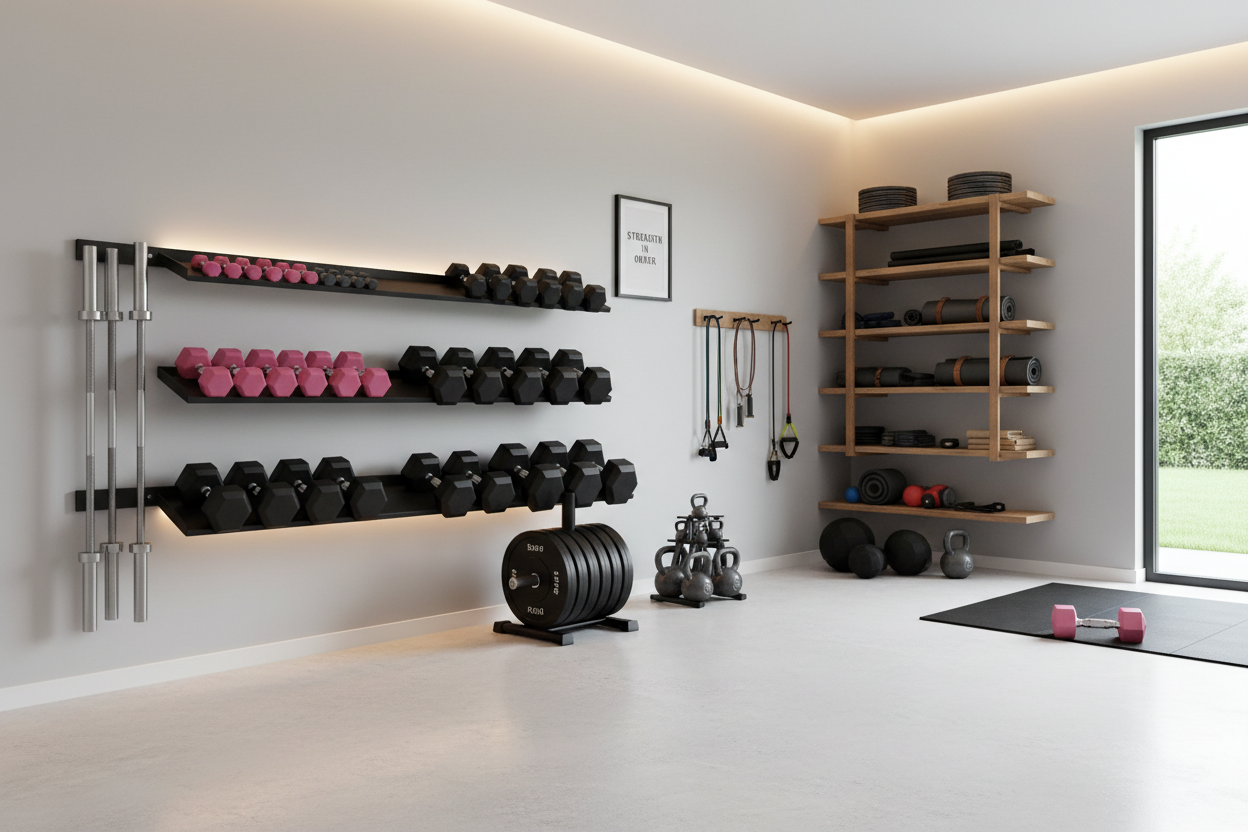
Yes, the high-volume nature of a quad circuit makes it perfect for home training. You can replace heavy barbells with dumbbells, kettlebells, or even resistance bands and still achieve muscle failure through higher repetitions and shorter rest periods.
Why do my knees hurt during quad exercises?
Knee pain often stems from tight hip flexors or poor ankle mobility, forcing the knee to take load it isn't ready for. Ensure you are warming up properly, not letting your knees cave inward (valgus collapse), and controlling the eccentric (lowering) portion of every rep.