Build Bigger Legs: The Hamstring Workout Most Men Skip
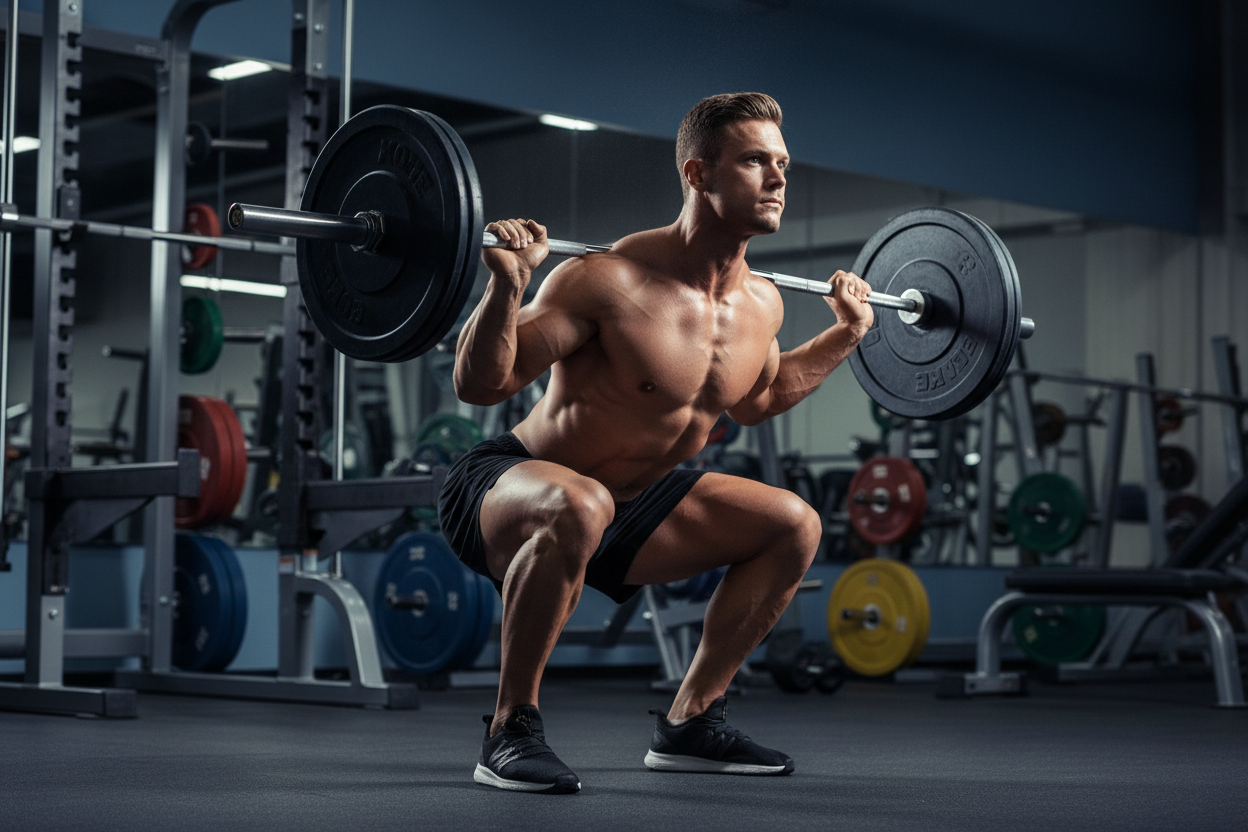
Most guys walk into the gym on leg day and immediately head for the squat rack or the leg press. While building massive quadriceps is great for filling out jeans, ignoring the back of your legs creates a physique that looks incomplete and performs poorly. To build impressive, functional legs, you need a mix of heavy hip extension movements and isolated knee flexion. The most effective approach involves hitting the muscles from two angles: stretching them under load, like in a Romanian Deadlift, and contracting them fully, like in a leg curl. Neglecting this balance is why so many lifters suffer from knee pain and stagnant squat numbers.
I learned this lesson the hard way a few years back. I was obsessed with pushing my squat numbers up, focusing almost entirely on anterior loading. My quads were getting huge, but my deadlift was stalled, and my lower back constantly ached. During a pickup basketball game, I felt a sharp pull in the back of my thigh while sprinting. It wasn't a tear, thankfully, but it was a severe strain caused by a massive imbalance. My quads were overpowering my brakes. That injury forced me to completely overhaul my training. I had to strip the weight off the bar and learn how to actually engage my posterior chain rather than just moving weight from point A to point B. That shift in focus didn't just fix my back pain; it added inches to my legs that squats alone never touched.
Understanding the Anatomy of Power
Before grabbing a barbell, you have to understand what you are actually trying to build. The hamstrings are not a single muscle but a group of three: the biceps femoris, semitendinosus, and semimembranosus. They cross two joints, the hip and the knee. This means they have two main jobs: bending the knee and extending the hips.
If you only do leg curls, you are missing half the equation. If you only do deadlifts, you are missing the other half. A complete hamstring workout for men requires exercises that address both functions. When you train them properly, you stabilize the knee joint (preventing ACL injuries) and provide a shelf for your glutes, giving your legs that thick, three-dimensional look from the side.
The Hip Hinge: Lengthening Under Load
The foundation of posterior strength lies in the hip hinge. This movement pattern involves pushing your hips back while keeping your spine neutral, placing a massive stretch on the hamstrings. This is where you build density and raw power.
Romanian Deadlifts (RDLs)
When discussing hamstring exercises men should prioritize, the Romanian Deadlift is non-negotiable. Unlike a conventional deadlift where the weight starts on the floor, the RDL starts from the top down. This keeps constant tension on the muscle belly.
Grab a barbell or a pair of heavy dumbbells. Stand with feet hip-width apart and a slight bend in your knees. Keep that knee angle fixed—do not squat. Push your hips backward as if you are trying to close a car door with your butt. Lower the weight, keeping it close to your shins, until you feel a deep stretch in your hamstrings. Drive your hips forward to return to the starting position. The focus here is the stretch; if you don't feel it, you are likely rounding your back or bending your knees too much.
Kettlebell Swings
While the RDL builds strength, the kettlebell swing builds explosive power. It uses the same hinge pattern but adds velocity. This forces your hamstrings to act as a rapid brake and accelerator. It is excellent for conditioning and teaching the muscles to fire quickly.
Knee Flexion: The Isolation Game
After you have hammered the heavy compound movements, you need to isolate the knee flexion function. This is where you pump blood into the muscle and focus on the peak contraction. Many hamstring exercises for men fail to emphasize the "squeeze" at the top of the movement, which limits growth.
Seated or Lying Leg Curls
Machines get a bad rap in functional fitness circles, but for hypertrophy, they are incredible tools. The seated leg curl, in particular, places the hip in a flexed position, which puts the hamstrings in a more lengthened state to begin with. This often leads to better muscle activation than the lying version.
Control is everything here. Explode the weight down (or up, depending on the machine), hold the contraction for a full second, and then take three seconds to return to the start. Do not use momentum to swing the weight. If your hips rise off the pad, drop the weight.
The Nordic Hamstring Curl
If you want a bodyweight challenge that humbles even the strongest lifters, try the Nordic curl. It is widely considered one of the best injury prevention tools in sports. You kneel on a pad with your ankles secured (either by a partner or under a loaded barbell). Keeping your body in a straight line from knees to shoulders, lower yourself slowly toward the floor.
Most people cannot pull themselves back up, and that is fine. Focus on the lowering phase (the eccentric). Fight gravity as long as you can. When you can no longer hold it, catch yourself with your hands, push back up, and repeat. This eccentric overload creates massive tissue damage, which leads to significant growth during recovery.
Structuring the Routine
You don't need a dedicated day just for hamstrings, but you do need to be intentional about where you place them. A solid hamstring workout for men can be integrated into a leg day or a posterior chain day (back and hamstrings).
Here is a sample routine designed to hit both functions of the muscle group:
-
Romanian Deadlifts: 3 sets of 8-10 reps. (Focus on heavy weight and deep stretch)
-
Lying Leg Curls: 3 sets of 12-15 reps. (Focus on the squeeze)
-
Nordic Curls: 3 sets of 5 reps. (Focus on a 5-second lowering phase)
-
Bulgarian Split Squats: 3 sets of 10 reps per leg. (Take a longer stride to bias the glutes and hams)
For a complete hamstring workout men need to ensure they are applying progressive overload. Add a small amount of weight or an extra rep every week. If you are doing the Nordic curls, try to lower yourself an inch closer to the floor before failing.
Mobility and Maintenance
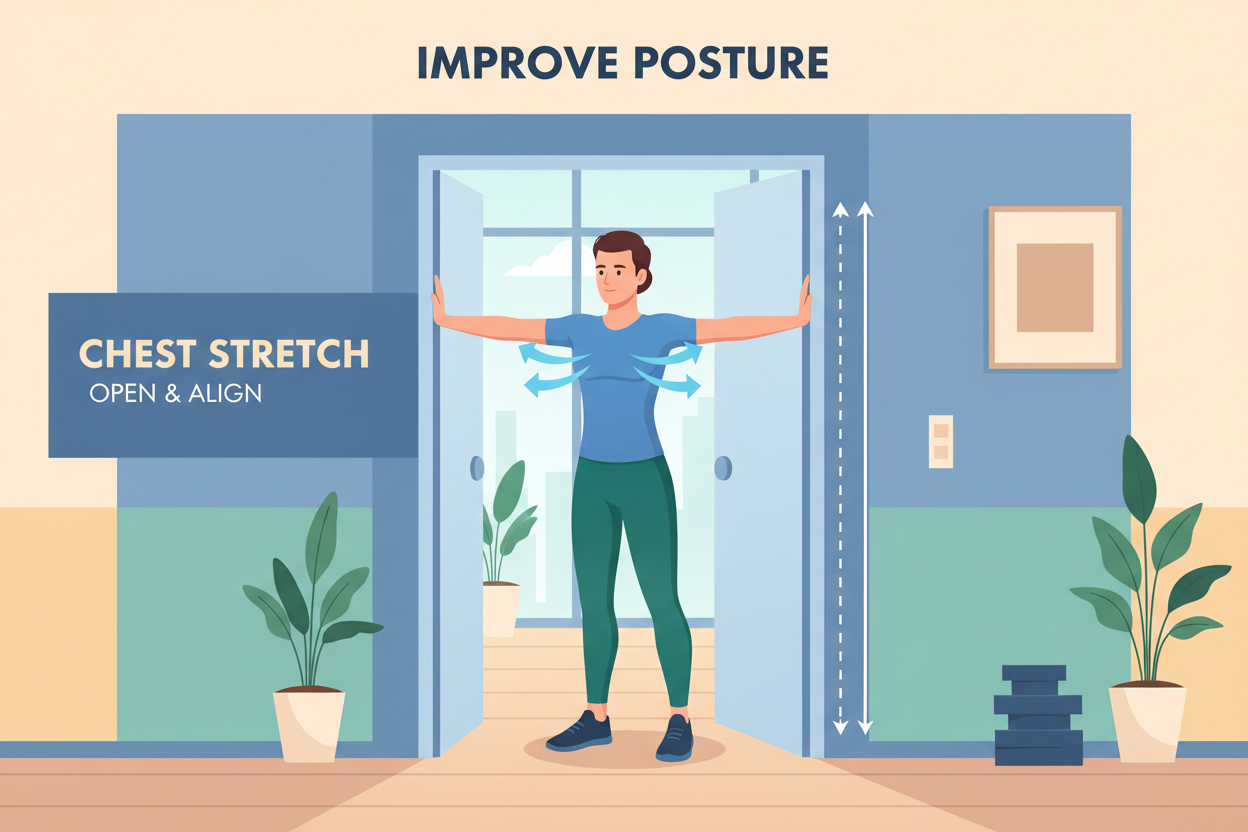
Building muscle is useless if the tissue is tight and brittle. Men often suffer from chronically tight hamstrings, usually from sitting at desks all day. This tightness tilts the pelvis backward, flattening the lower back and causing pain.
Static stretching before lifting is generally a bad idea as it can reduce power output. Instead, perform dynamic warm-ups like leg swings or bodyweight good mornings. Save the static stretching for after the workout or on rest days. Foam rolling can also help, but it is not a cure-all. Full range of motion resistance training—like the deep RDLs mentioned earlier—is actually one of the best ways to improve flexibility while building strength.
The Importance of Patience
The posterior chain is stubborn. Because you can't see these muscles in the mirror, it is easy to neglect them or phone it in at the end of a workout. But the physique difference between a guy who squats and a guy who squats and trains hamstrings is obvious. The latter has thick, powerful-looking legs from every angle.
Consistency is the secret sauce. You won't see changes in two weeks. But give it three months of hitting these movements hard, and your deadlift will skyrocket, your knees will feel bulletproof, and you will finally fill out the legs of your pants properly.
Frequently Asked Questions
How often should I train my hamstrings?
For most men, training hamstrings twice a week is optimal for growth. You can do a heavy session focused on hip hinging (like deadlifts) early in the week and a hypertrophy-focused session with curls and higher reps later in the week. This allows enough recovery time while maximizing protein synthesis.
Why do I feel RDLs in my lower back instead of my hamstrings?
This usually happens because you are lowering the weight by bending at the waist rather than pushing your hips back. Think about horizontal movement of the hips, not vertical movement of the torso. Keep the bar close to your legs and engage your core to protect your spine; if the weight drifts forward, the load shifts to your lower back.
Can I build big hamstrings with just bodyweight exercises?
Yes, but it is more challenging. The Nordic Hamstring Curl is an elite mass builder that requires no weights, and single-leg glute bridges can be effective for beginners. However, adding external load through dumbbells or barbells will generally yield faster hypertrophy results due to easier progressive overload.