Build a Powerful Chest with This Proven Workout Routine
Developing a strong, well-defined chest requires more than just lifting heavy weights. It demands planning, focus, proper technique, and consistency. Many people hit a plateau in their progress because they stick to the same exercises without understanding how to challenge their muscles effectively. The right approach can help you build strength, improve shape, and enhance overall upper body balance.
Understanding Chest Anatomy
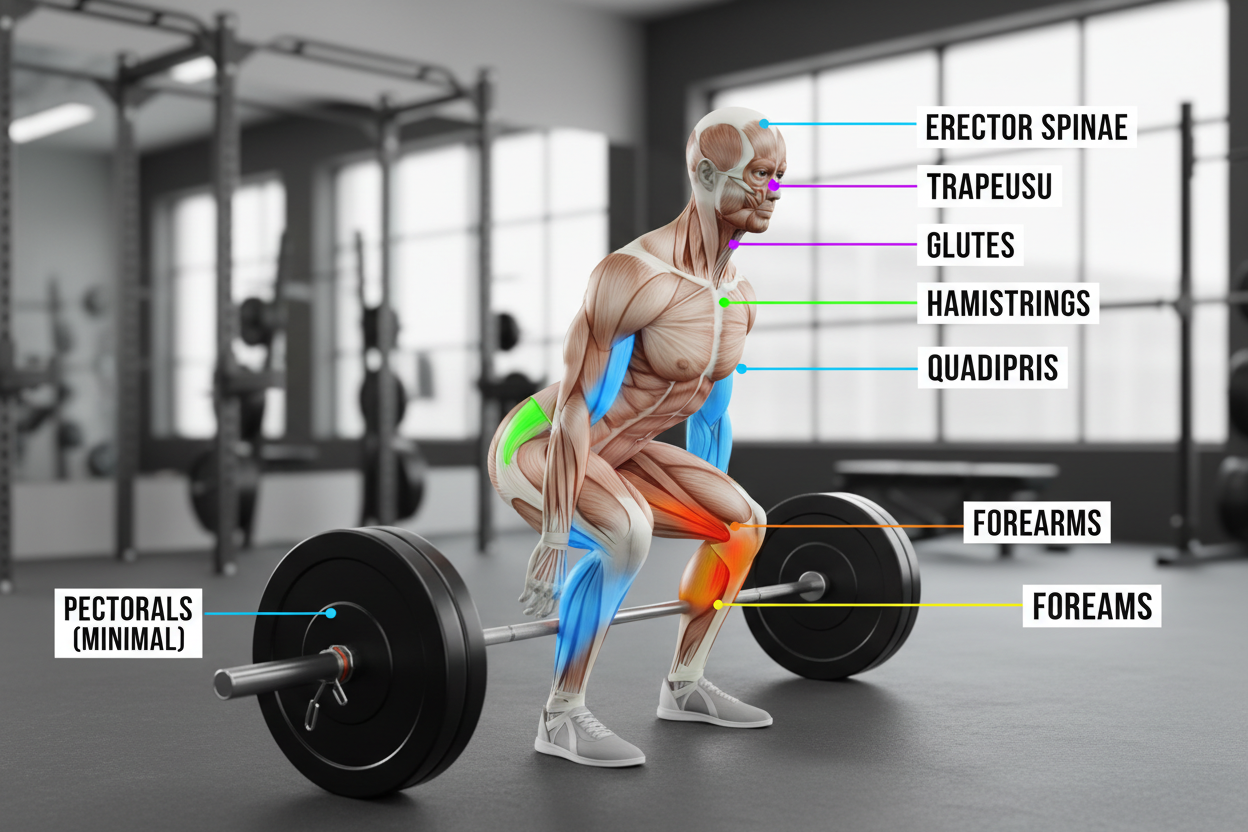
Before diving into a good chest routine, it's essential to understand the main muscle groups involved: the pectoralis major and the pectoralis minor. The pectoralis major has two main parts – the clavicular head (upper chest) and the sternal head (middle to lower chest). Targeting both areas ensures balanced development and prevents muscular imbalances. The pectoralis minor lies beneath the major and plays a supportive role in shoulder movement.
Foundations of the Ultimate Chest Workout
An effective chest workout should include compound and isolation exercises. Compound movements such as bench presses recruit multiple muscle groups, providing strength benefits. Isolation exercises like fly variations focus on stretching and contracting the chest muscle fibers for better definition. Aim for a mix of exercises that hit your chest from different angles.
1. Flat Barbell Bench Press
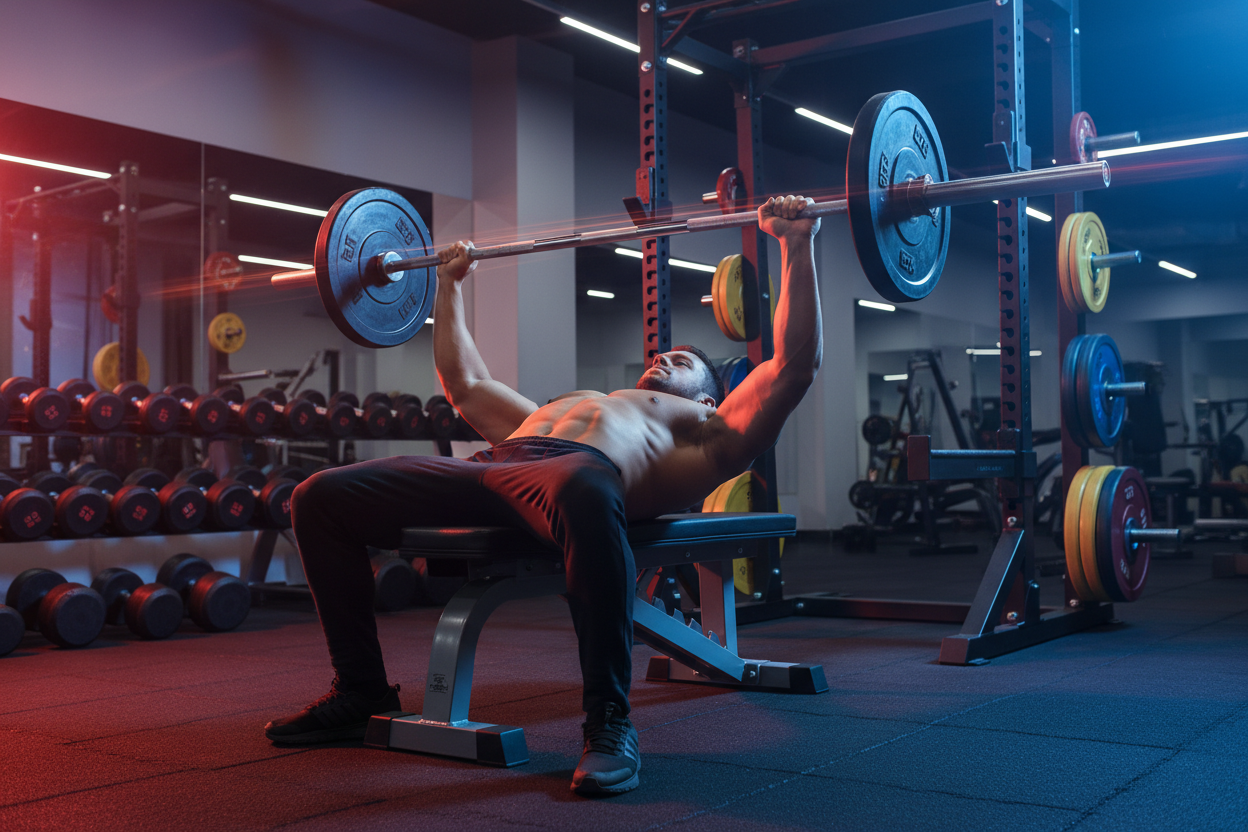
This classic lift is a cornerstone of any good chest routine. It targets the middle portion of the chest while also engaging the triceps and shoulders. Maintain proper form with your feet grounded, back slightly arched, and shoulder blades retracted. Control the weight through every rep.
2. Incline Dumbbell Press
Switching to an incline position emphasizes the upper chest and can give a well-rounded appearance. Using dumbbells helps improve muscle balance and range of motion, allowing each arm to work independently.
3. Chest Flys on a Flat or Incline Bench
Chest flys are great for stimulating muscle fibers through a deep range of motion. Keep a slight bend in the elbows, and focus on the stretching sensation at the bottom and contraction at the top.
4. Push-Ups Variations
Don't overlook bodyweight exercises. Push-ups strengthen the chest, shoulders, triceps, and core. You can adjust hand placement to shift focus onto different areas of the chest. Weighted push-ups or slow-tempo push-ups can add intensity when workouts start feeling too easy.
Structuring Your Chest Routine
For optimal results, train your chest 1-2 times per week, allowing at least 48 hours of recovery before the next session. A sample structure could look like this:
- Flat Barbell Bench Press – 4 sets of 6–8 reps
- Incline Dumbbell Press – 3 sets of 8–10 reps
- Chest Flys – 3 sets of 10–12 reps
- Push-Up Variations – 3 sets to failure
Importance of Progressive Overload
Progressive overload means gradually increasing the demands placed on your muscles over time. This can be achieved by adding weight, increasing reps, slowing the tempo, or improving form. Without progression, muscle growth will stall. Keep track of your performance to ensure consistent improvement.
Personal Experience with Chest Training
When I first started training my chest, I relied almost exclusively on the flat bench press. While my strength improved, the overall look of my chest lagged behind. It wasn’t until I added incline presses and flys that I saw significant changes. My upper chest filled out, and my overall posture improved. Combining different angles and movements made my sessions more engaging and my results far more satisfying.
Recovery and Nutrition
Muscle growth happens during rest, not just during training. Prioritize quality sleep and give your chest adequate time to recover. Nutrition also plays a vital role—consume enough protein to support muscle repair and growth, along with balanced carbs and fats for energy and hormone regulation. Staying hydrated is equally important for performance and recovery.
Safety and Technique
Form should always be a priority over lifting heavier weights. Poor technique increases injury risk and limits muscle activation. Warm up with lighter sets and dynamic stretches before lifting, and don’t ignore stabilizing muscles such as your rotator cuffs. If possible, train with a spotter when attempting heavier lifts.
Final Thoughts
A well-planned chest routine combining compound and isolation movements can lead to significant improvements in strength, size, and aesthetics. The ultimate chest workout isn’t about doing endless sets—it’s about understanding muscle function, targeting different angles, progressing over time, and balancing intensity with recovery. Commit to consistent training, quality nutrition, and proper technique, and you'll see lasting results in both performance and appearance.