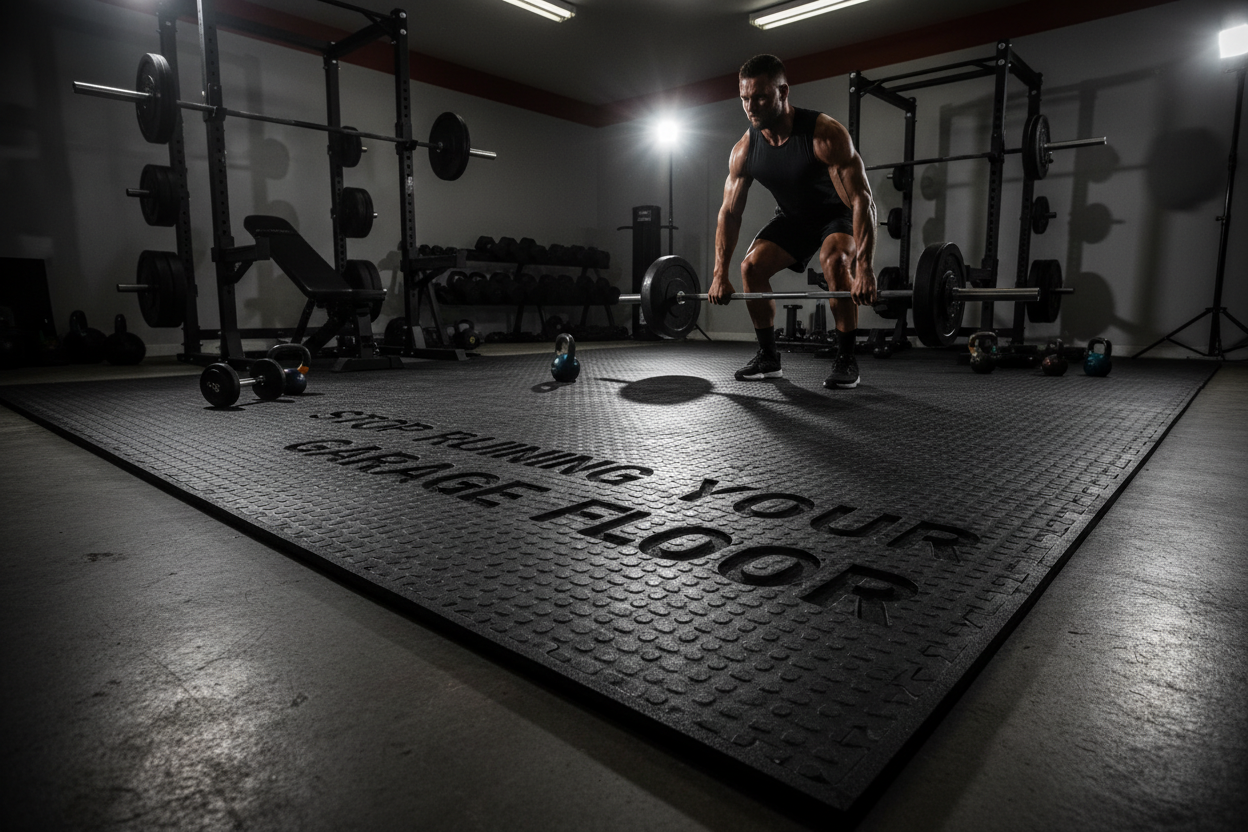
Build a Commercial-Grade Setup: The Best Home Gym Under 2000
Let’s be honest: building a sanctuary of iron in your garage or basement usually feels like a choice between bankruptcy and buying flimsy gear that wobbles when you sneeze. But there is a sweet spot. You don't need five figures to get a workout that rivals a commercial facility. You need a strategy.
The best home gym under 2000 isn't about buying the most items; it's about buying the right items that will survive decades of abuse. If you have two grand to spend, you are in the prime position to build a serious strength training haven, provided you ignore the flashy marketing of all-in-one functional trainers and focus on heavy-duty essentials.
Key Takeaways: The $2000 Blueprint
- Allocate 40% to the Rack: Your power rack is the skeleton of your gym. Never skimp here.
- The Barbell Matters Most: It is the only piece of equipment you physically touch for every rep. Budget for quality tensile strength.
- Iron Over Bumpers: Unless you are doing Olympic lifting, cast iron plates are cheaper and thinner, allowing more weight on the bar.
- Flooring Hacks: specialized gym flooring is overpriced. Use agricultural stall mats to save nearly $200.
- Avoid Cardio Machines: To stay under budget, run outside or buy a jump rope. Treadmills eat up 50% of a $2000 budget instantly.
The Philosophy: Essentials Over Extras
When curating a home gym setup under 2000, you must adopt an essentialist mindset. The goal is to maximize weight capacity and safety. A $2000 budget is substantial enough to get professional-grade steel, but only if you strip away the luxuries.
We are building this around the "Big Three" movements: Squat, Bench, and Deadlift. If your gear can handle these, it can handle anything else.
1. The Power Rack: The Centerpiece
Do not buy a squat stand if you have the space for a cage. For a home gym 2000 build, you should aim for a power rack with 3x3 inch steel uprights and 11-gauge steel thickness. Why this specific spec?
Because 2x2 racks sway. When you are re-racking a heavy squat, that sway creates a moment of panic that ruins your training intent. A 3x3 rack sits like a fortress. Look for racks that use 5/8" or 1" hardware. This ensures compatibility with attachments later on, meaning your gym grows with you rather than needing replacement.
2. The Barbell: Where the Magic Happens
Many beginners make the fatal mistake of buying a "300lb weight set" that comes with a cheap chrome bar. Do not do this. These bars often have a low tensile strength (under 130k PSI) and can permanently bend if you drop them.
Allocate roughly $250-$300 of your budget here. You want a multi-purpose bar with:
- 190k PSI Tensile Strength: It will whip but snap back to straight.
- Bushings, not Bearings: For general lifting, bushings provide a controlled spin. Bearings spin too fast for a heavy bench press.
- Knurling: Look for a "volcano" knurl pattern. It provides grip without shredding your hands like a cheese grater.
3. Plates and Bench: The Workhorses
The Weight Plates
To keep this home gym setup under 2000, we have to be smart about weight. Bumper plates (rubber) look cool, but they are expensive and thick. You run out of sleeve space on the bar quickly.
Opt for machined cast iron plates. They fit tighter on the bar and cost significantly less per pound. If you deadlift, buy just one pair of bumper plates (45lbs) to cushion the blow against the floor, and use iron for the rest.
The Adjustable Bench
You need a bench that supports a flat press, an incline press, and a seated shoulder press. Look for a "gapless" pad design. There is nothing more distracting than lying down for a heavy press and having the gap between the seat and the back pad pinch your lower back.
My Training Log: Real Talk
I want to share a specific detail about building a gym on this budget that most guides gloss over: the smell of the flooring.
When I built my first setup, I refused to pay $4 per square foot for "gym tiles." I went to a tractor supply store and bought 4x6 horse stall mats. They are heavy—about 100lbs each—and wrestling them into my basement was a workout in itself. But the reality check? The off-gassing.
For the first three weeks, my gym smelled like a tire fire. I had to leave the windows open and run a fan 24/7. But here is the thing: five years later, those mats haven't compressed a millimeter. I've dropped 500lb deadlifts on them, spilled coffee on them, and dragged heavy sleds across them. They are indestructible. If you want the best home gym under 2000, you have to embrace the grit. Buy the horse mats, endure the rubber smell for a month, and enjoy a floor that will outlast your house.
Conclusion
Building the best home gym under 2000 is entirely possible if you prioritize function over aesthetics. Invest heavily in the rack and bar, save money on iron plates and flooring, and skip the cardio machines for now. This isn't just a purchase; it's an investment in your physical autonomy.
Frequently Asked Questions
Does the $2000 budget include shipping?
Usually, yes. Many major fitness equipment manufacturers now offer "free shipping" on orders over a certain amount, or they bundle shipping into the price. However, always leave a $150 buffer for unexpected freight charges if you are ordering heavy iron plates.
How much space do I need for this setup?
To comfortably use a 7-foot Olympic barbell and a full power rack, you need a space that is roughly 10 feet wide by 10 feet deep. This allows you to load plates on the bar without hitting the walls.
Can I get a cardio machine and a weight setup for 2000?
It is difficult to do both well. A quality treadmill or rower usually costs $1000+ alone. If you split the budget, you end up with a shaky rack and a flimsy treadmill. It is better to build a high-quality strength gym first and add cardio later.