Boost Your Upper Body Strength: Dumbbell Chest Workouts Designed for Women
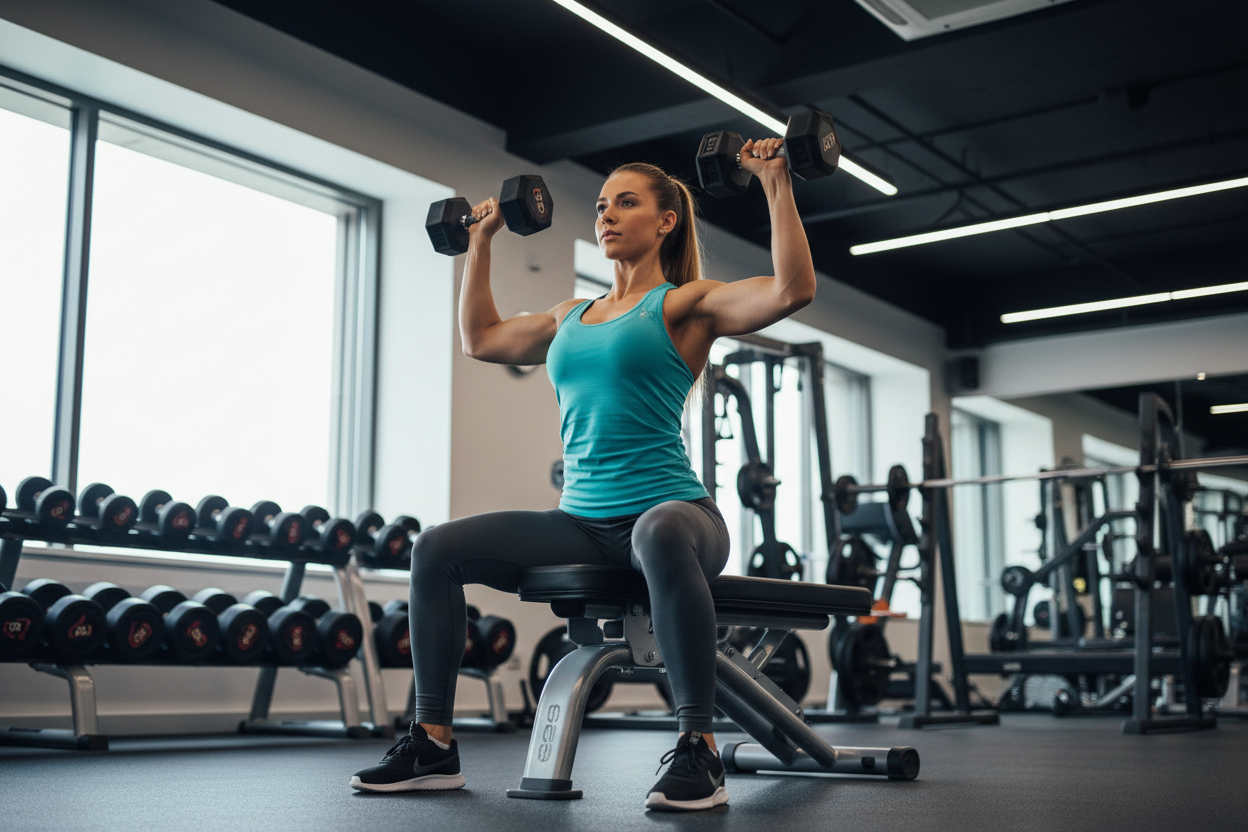
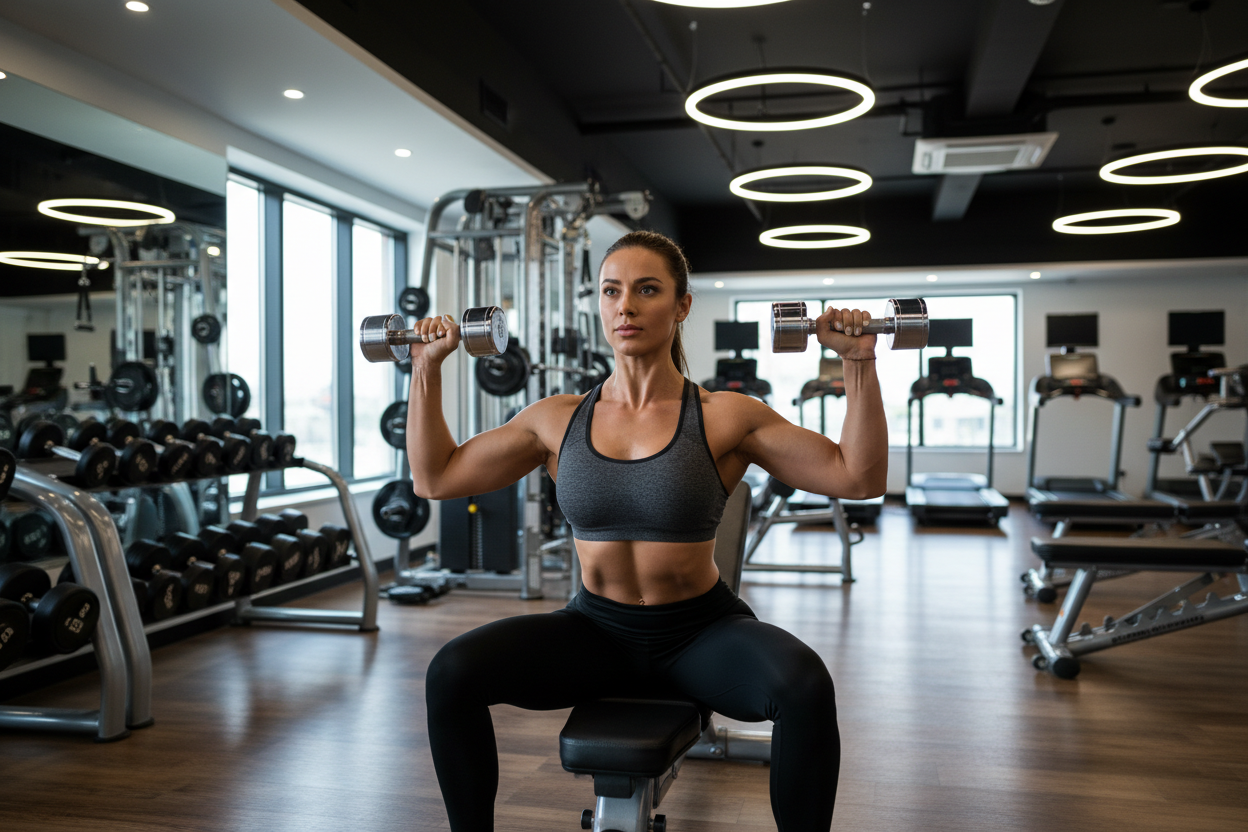
Many women aim to strengthen and tone their chest muscles not only for aesthetic reasons but also to improve posture, support daily movements, and enhance overall upper body functionality. Chest exercises for women with dumbbells are a practical choice that can be performed in-home or at the gym, requiring minimal equipment and space. With a well-structured approach, these movements can provide safe, progressive improvement in strength and endurance without relying on heavy machines.
The Role of Chest Training in Women's Fitness
The chest muscles, primarily the pectoralis major and pectoralis minor, assist in arm movements, shoulder stability, and upper body alignment. For women, targeted chest training can complement back and shoulder work, leading to a balanced physique and improved performance in other exercises such as push-ups or overhead presses. Dumbbells allow for a greater range of motion compared to machines, helping to activate stabilizing muscles and improve functional strength.
Safety and Preparation
Before starting any dumbbell chest workout for women, proper preparation is essential. Begin with a dynamic warm-up including arm circles, light cardio, and shoulder mobility drills. Select dumbbells that allow you to perform each movement with correct form while still challenging your muscles. Start lighter and gradually increase weight as strength develops. Maintaining neutral spine alignment and controlled movement can help reduce injury risk while maximizing the benefits of the exercises.
Core Dumbbell Exercises for Chest Women Can Integrate
Dumbbell Bench Press
This classic move can be performed on a flat bench or even on the floor. Lie on your back, hold the dumbbells at chest level, and press them upward until arms are fully extended. Lower slowly. This exercise strengthens the central part of the pectoral muscles while engaging triceps and deltoids.
Dumbbell Fly
Performed on a bench or mat, start with dumbbells overhead, arms slightly bent. Move arms outward in an arc until they are level with the chest, then bring them back together. This isolates the chest muscles and encourages full range of motion.
Incline Dumbbell Press
Adjust the bench to a 30–45 degree angle. Press the dumbbells from chest height to full extension overhead. The incline position shifts more emphasis onto the upper chest, improving muscle balance and aesthetics.
Standing Dumbbell Chest Squeeze Press
Hold two dumbbells together in front of your chest, elbows bent. Press them forward while squeezing chest muscles, then return. This move engages the chest without lying down, practical for limited space.
Programming Your Dumbbell Chest Workout for Women
Combine 3–4 chest exercises into a routine, performing 2–3 sets of 8–12 repetitions each. Rest for 60–90 seconds between sets. Integrate chest training 1–2 times per week within a balanced upper body program. Pair with back, shoulder, and core exercises to avoid muscle imbalances.
Adding Variety to Your Chest Exercises with Dumbbells
Alternate between flat, incline, and decline angles to target different areas of the chest. Experiment with different tempos, such as slow eccentric phases, to enhance muscle engagement. Superset chest exercises with complementary moves like push-ups or resistance band presses for increased challenge.
Personal Experience and Observations
When I first incorporated dumbbell exercises for chest women often use—like flyes and presses—into my weekly training, I noticed improvements in pressing strength and upper body posture. Using moderate weights and focusing on form helped me avoid strain, and the flexibility to train both at home and at the gym made it easier to stay consistent. Over several weeks, the combination of incline and flat dumbbell presses provided noticeable muscle tone.
Recovery and Muscle Care
Recovery is as important as the workout itself. Allow at least 48 hours before training the same muscle group again. Stretching the chest muscles after each session can improve flexibility and blood flow. Adequate protein intake and hydration support muscle repair and growth.
Conclusion
Chest exercises for women with dumbbells can be simple, adaptable, and highly effective for building strength, improving symmetry, and boosting confidence. A thoughtful approach—focusing on form, progression, and balance—ensures that training the chest not only enhances appearance but supports overall physical health. Whether performed at home or in the gym, these routines can deliver meaningful results over time when combined with proper recovery and nutrition.