Effective Seated Dumbbell Chest Exercises for Strength and Shape
Chest workouts are a staple in any strength training routine, but not everyone has access to a bench or large gym equipment. Seated dumbbell chest exercises allow you to efficiently build strength and definition, even with limited space. Performing these moves properly can help boost upper body power, improve posture, and enhance overall fitness levels.
Benefits of Seated Chest Exercises with Dumbbells
Working your chest from a seated position offers several advantages. First, it minimizes strain on the lower back by providing extra support from the chair or bench. Second, it lets you focus on targeted muscle activation without needing complex setups. Finally, seated dumbbell chest exercises make it easier to control your movements, reducing the risk of form-related injuries.
Key Muscles Worked
The primary muscles involved in seated chest exercises with dumbbells include the pectoralis major and minor. These are supported by the anterior deltoids and triceps. Training these muscles consistently helps create a balanced upper body and supports functional movements in daily life.
Popular Seated Dumbbell Chest Exercises
Seated Dumbbell Press
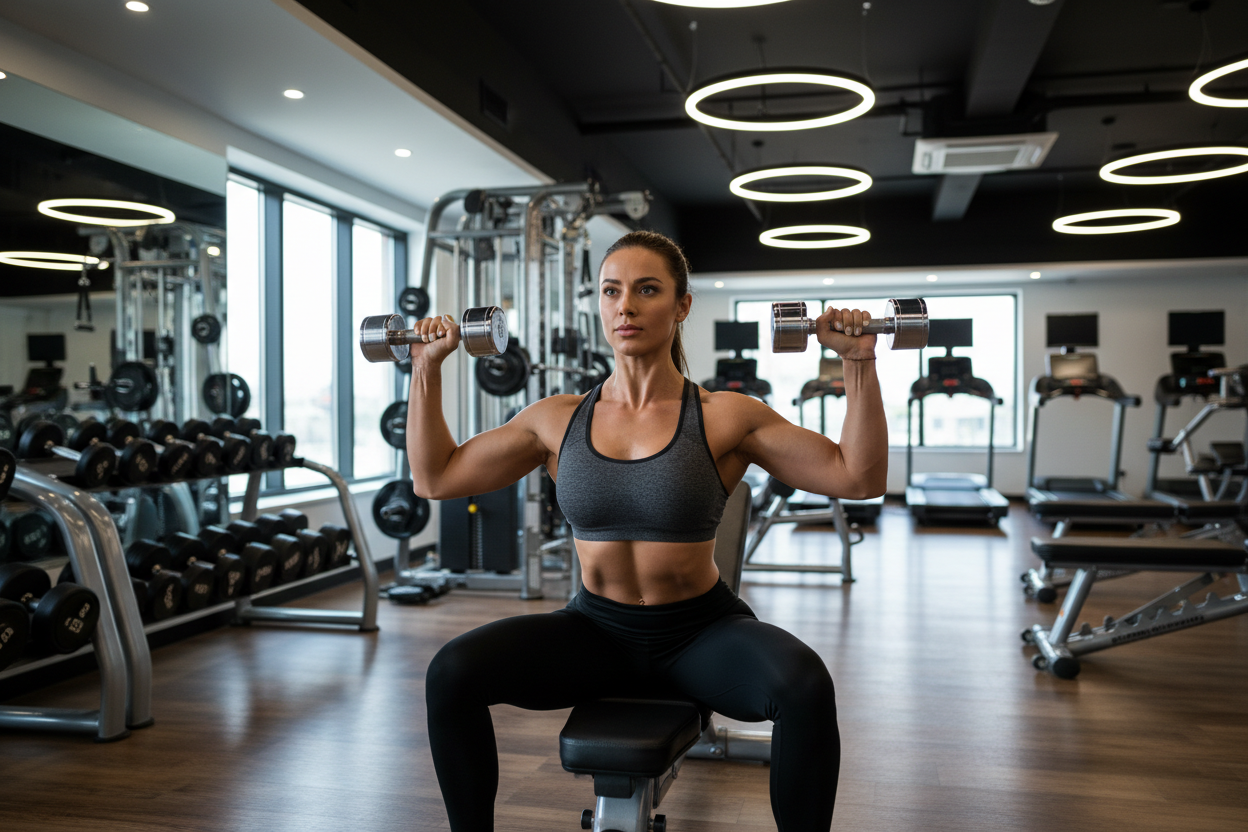
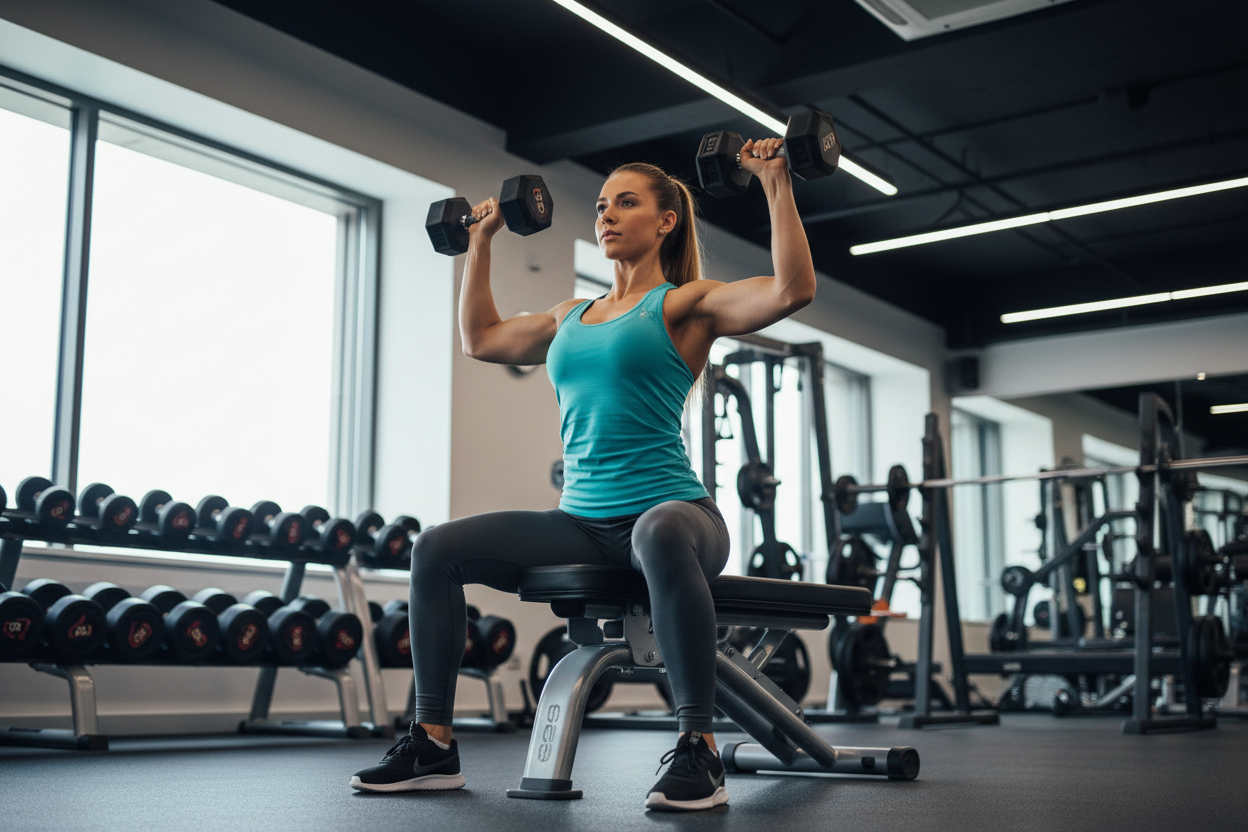
To perform the seated dumbbell press, sit upright with back supported, feet flat on the floor. Hold a dumbbell in each hand at chest level. Press the dumbbells upward until your arms are fully extended, then slowly lower them back to the starting position. This builds strength in the chest and shoulders while stabilizing your core.
Seated Dumbbell Fly
This isolation move targets the pectoral muscles more directly. Sit with a straight back, dumbbells in each hand, arms slightly bent. Open your arms out to the sides, keeping elbows soft, until you feel a stretch in your chest. Bring the dumbbells back together under control. The seated dumbbell fly is excellent for enhancing definition and the mind-muscle connection.
Seated Neutral Grip Press
Holding dumbbells with palms facing each other, press upward from a seated position. This variation reduces shoulder strain and allows some lifters to engage the chest more comfortably. It’s a great option for those with shoulder sensitivity.
Tips for Proper Form and Safety
Always warm up before starting any exercise routine. Maintain a neutral spine and keep your core engaged during lifts. Avoid locking out the elbows or jerking the weights. Start with lighter dumbbells and gradually build up as your strength improves.
Programming and Frequency
For strength building, aim for 3-4 sets of 8-12 repetitions with adequate rest between sets. If focusing on endurance or toning, you can increase the reps to 15-20 with lighter weights. Incorporating seated chest exercises with dumbbells two to three times per week ensures balanced progress without overtraining.
My Personal Experience
When I first began working out at home, benches and large gym machines weren’t available to me. I started with seated dumbbell chest exercises using a sturdy chair, adjusting my form to ensure safety. Not only did my chest strength improve, but I noticed a better posture and increased endurance in everyday tasks. The controlled nature of these movements made them ideal for my small workout space.
Conclusion
Seated dumbbell chest exercises are accessible, effective, and adaptable for various fitness levels. They can fit into home workouts or complement gym training when equipment is limited. By practicing correct form and approaching these exercises mindfully, you can develop a strong, defined chest while protecting your joints and enjoying training in almost any environment.