Bodybuilding Diets: Nutrition Frameworks, Food Selection Blueprints, and Training Integration
Foundational Architecture of Bodybuilding Diets
Athletic development in physique training demands more than intense effort beneath a barbell; it requires a structured, repeatable approach to nutrition. Effective bodybuilding diets function as the physical foundation supporting strenuous resistance workouts and ongoing muscular recovery. Rather than viewing nutrition as an unpredictable series of short-term adjustments, seasoned athletes treat their dietary framework as an organized discipline that complements their lifting schedule.
At its core, a balanced diet for bodybuilding balances three fundamental components: proteins to supply building blocks for muscle tissue, carbohydrates to replenish spent glycogen stores and drive muscular contractions, and dietary fats to support cellular health and sustained energy. Integrating these components into a dependable routine ensures that the body maintains a consistent supply of nutrients, preventing sharp swings in energy during demanding training sessions.
Equally critical to bodybuilder nutrition is meal regularity. Spreading food intake across evenly paced intervals allows for manageable digestion and steady nutrient availability throughout the day. When paired with structured hydration habits, this consistent schedule keeps physical performance reliable, whether the session involves heavy free weights, specialized machines, or high-volume conditioning.
Essential Nutrients and Foods to Prioritize for Muscle Development
Constructing a dependable nutrition of bodybuilding plan begins with prioritizing minimally processed whole foods. Selecting quality ingredients ensures broad micronutrient coverage alongside the primary macronutrients, helping athletes avoid unnecessary fatigue during intense training blocks.
- Lean Animal and Plant Proteins: Skinless poultry, lean cuts of beef, whole eggs, egg whites, wild-caught fish, tofu, tempeh, and legume combinations serve as core staples in bodybuilding and nutrition. These sources provide complete amino acid profiles necessary for repairing tissue after demanding gym work.
- Complex Carbohydrates: Rolled oats, brown rice, sweet potatoes, quinoa, and whole grains provide continuous fuel for rigorous lifting. Their slower digestion characteristics help maintain level blood energy across extended workouts.
- Nutrient-Dense Fats: Avocados, raw nuts, seeds, extra-virgin olive oil, and naturally occurring fats from fatty fish like salmon deliver essential fatty acids and concentrated energy.
- Fibrous Vegetables and Fruits: Dark leafy greens, broccoli, asparagus, berries, and bananas supply essential vitamins, minerals, and digestive fiber, supporting overall gut health and nutrient absorption.
By relying primarily on these wholesome staples, lifters construct an adaptable dietary foundation that sustains consistent output during rigorous training cycles.
Foods and Nutritional Habits to Minimize or Avoid
Understanding what to eat bodybuilding frameworks emphasize is only half the equation; recognizing counterproductive foods is equally vital for physique progression. Certain dietary choices introduce unnecessary sluggishness, hinder recovery, or make disciplined energy management difficult.
Ultra-processed convenience snacks, highly refined sugars, and deep-fried foods should generally be minimized within serious body building diets. These items often provide brief surges in energy followed by noticeable drops in alertness, which can compromise focus during heavy compound movements. Additionally, excessive consumption of high-sugar beverages can lead to unplanned energy surpluses without providing satiety or vital micronutrients.
Erratic eating patterns also present substantial challenges. Skipping meals during busy workdays frequently leads to overcompensating later in the evening with poorly structured food choices. Establishing predictable meal preparation routines helps eliminate these sudden disruptions, ensuring that your nutritional intake matches your lifting program.
Tailoring Dietary Frameworks for Mass Building versus Definition
Nutritional needs inevitably shift depending on whether an athlete is targeting muscular hypertrophy or pursuing leaner physical definition. Structuring mass diets for bodybuilding involves creating a thoughtful, modest caloric surplus. This extra fuel supports progressive overload in the weight room and facilitates tissue synthesis. Lifters can reference the good building guide to align their machine exercises with this muscle-building phase.
When prioritizing muscle growth, particularly during demanding lower-body specialization blocks, carbohydrate intake can be concentrated around the training window to maximize performance. Lifters utilizing resources such as the bodybuilding mass guide often increase portions of complex starches to maintain strength output during high-volume squat and leg press routines.
Conversely, during leaning phases aimed at showcasing muscular definition, overall caloric density is gradually scaled back while protein intake remains elevated to safeguard existing muscle tissue. Reducing portion sizes of cooking fats and starches while increasing fibrous vegetables allows lifters to remain satisfied without compromising their body composition goals.
Connecting Dietary Fueling to High-Impact Strength Training
Nutritional fueling and mechanical execution work hand in hand. Even the most carefully organized bodybuilder diet for men or women will fail to yield desired adaptations if training intensity lacks focus, stability, and safety. Demanding resistance exercises require both physical fuel and an environment that supports confident biomechanics.
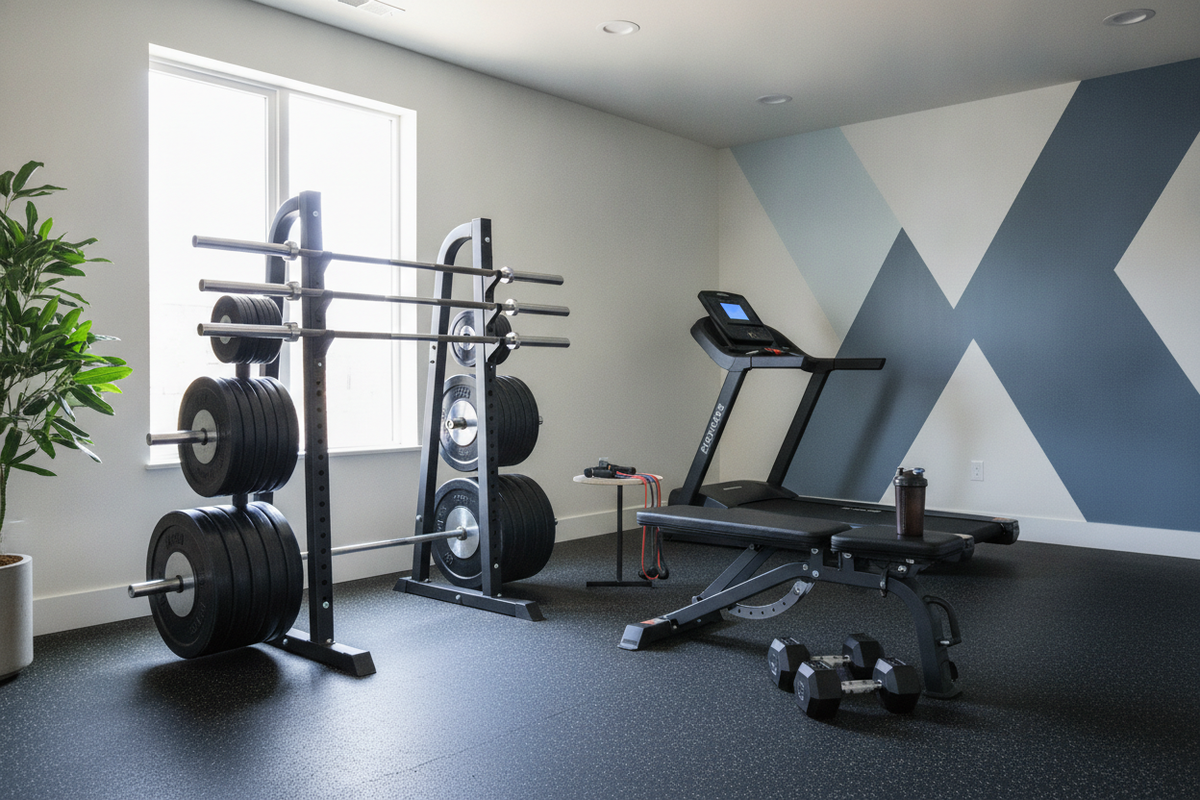
When athletes fuel adequately, they generate substantial force during ground-based compound movements such as deadlifts, overhead presses, and lunges. Directing those forces safely requires a dedicated workout surface with sufficient grip and density. High-density rubber gym flooring and heavy-duty exercise mats stabilize the feet, preventing micro-slips that could interrupt a heavy repetition. Lifters working toward full-body balance, as outlined in the body balanced guide, depend on stable footing to execute bilateral and unilateral movements with precision.
Furthermore, protective gym mats preserve subflooring and equipment finishes when heavy dumbbells or barbells are lowered between working sets. Creating an organized, safe lifting station provides the peace of mind required to channel nutritional energy directly into muscular tension.
For related options and further planning, explore building body men guide and building body men guide.
Sustainable Preparation Habits and Long-Term Physique Management
Achieving lasting results with bodybuilding diets relies fundamentally on long-term sustainability. Overly restrictive approaches that eliminate entire food groups without practical reason often lead to burnout and inconsistent adherence. In contrast, building simple, repeatable habits in the kitchen mirrors the consistency applied inside the home gym.
Batch cooking staple ingredients—such as roasting trays of sweet potatoes, preparing large quantities of rice, and grilling multiple portions of lean protein—streamlines weekly food management. Storing these components in clearly labeled, portioned containers minimizes decision fatigue after strenuous evening workouts, ensuring that proper nutrition is immediately accessible when recovery needs are highest.
Ultimately, a successful approach to diet and bodybuilding combines structured food selection, thoughtful phase adjustments, and a dedicated training atmosphere. By viewing nutrition as continuous support for progressive resistance training, lifters establish habits that yield dependable strength and muscular development over years of disciplined practice.