
Bodybuilding Diet for Teenagers: Nutrition Frameworks, Recomposition Blueprints, and Home Training Staging
Foundational Nutrition Pillars for the Adolescent Lifter
Stepping into resistance training during adolescence brings enthusiasm, rapid curiosity, and often a flood of conflicting advice regarding sports nutrition. A structured bodybuilding diet for teenager lifters must prioritize long-term development over aggressive cutting cycles or extreme surplus eating. Natural growth phases demand consistent energetic support, making wholesome, unrefined nutrition the cornerstone of every training routine.
Rather than adopting rigid dietary restrictions or chasing aggressive bulk-and-cut cycles, younger athletes benefit most from developing dependable food habits. Centering meals around unprocessed staples supplies the diverse micronutrients, minerals, and complex energy sources required to sustain daily school schedules, athletic commitments, and structured weight training. In our editorial view, learning to organize a balanced plate builds a foundation that outlasts fleeting dietary fads.
A practical qualitative approach to daily eating revolves around intuitive plate division:
- Quality Protein Sources: Lean poultry, eggs, dairy, fish, tofu, beans, and legumes anchor muscle repair and support general tissue development across the day.
- Unrefined Carbohydrates: Oats, brown rice, potatoes, sweet potatoes, whole-grain breads, and fresh fruits provide sustained energy for lifting sessions and active afternoons.
- Beneficial Dietary Fats: Olive oil, avocados, nuts, seeds, and natural nut butters assist nutrient absorption and help round out total daily fuel needs.
- Colorful Produce: Leafy greens, cruciferous vegetables, and seasonal berries deliver antioxidants, fiber, and trace nutrients that promote digestive comfort and steady vitality.
Adopting this balanced structure within a teenage bodybuilder diet helps maintain consistent energy levels throughout the school day, eliminating the lethargy and burnout often triggered by overly restrictive regimens.
Navigating Body Recomposition: Building Muscle While Managing Fat
Many young lifters enter the weight room asking how to lose fat and gain muscle as a teenager at the same time. This process, commonly known as body recomposition, occurs naturally when a novice or intermediate lifter combines progressive resistance workouts with sufficient protein and sensible portion management. Because adolescent bodies adapt dynamically to new physical demands, aggressive caloric deficits are unnecessary and often counterproductive.
Severe caloric restriction can compromise concentration, dampen mood, and stall physical performance under the bar. Instead, recomposition is best supported by eating at a moderate baseline that fuels daily activity while challenging the muscular system with consistent training stimuli. Structuring progressive resistance training alongside balanced nutrition allows young lifters to apply principles from a dedicated gain muscle guide without resorting to extreme cuts.
To support steady body recomposition, young athletes should concentrate on several reliable practices:
- Progressive Mechanical Overload: Prioritize clean technique, controlled lifting tempos, and steady progression in foundational compound movements such as squats, presses, rows, and hinges.
- Steady Protein Distribution: Distribute protein across three or four substantial meals rather than relying on sporadic, heavy evening portions.
- Systemic Conditioning: Incorporate moderate cardiovascular exercise and general movement instead of pursuing grueling calorie-burning circuits. Shifting focus away from isolated spot-reduction exercises toward systemic energy balance aligns with the lessons in our lose fat guide.
- Consistent Meal Timing: Avoid skipping meals before workouts, which often leads to poor training drive and evening overeating.
Modular Meal Architecture for School and Training Schedules
Sustaining a consistent eating routine during the academic year requires preparation and modular meal assemblies that adapt to tight schedules between morning classes, team practices, and evening homework. A realistic plan avoids complex culinary prep in favor of dependable, batch-friendly options.
Morning Fuel and School-Day Nutrition
Starting the day with balanced nutrition primes mental alertness and muscular recovery. A morning combination of oatmeal cooked with milk or fortified plant milk, paired with eggs or nut butter and sliced fruit, provides steady carbohydrates and protein. For mid-day nutrition at school, insulated containers and prep containers make it simple to bring balanced lunches from home:
- Portable Bento Assemblies: Grilled chicken strips or hard-boiled eggs accompanied by quinoa, whole-wheat pita, baby carrots, and hummus.
- Nutrient-Dense Sandwiches: Turkey, roast beef, or mashed chickpea salad on hearty whole-grain bread paired with an apple or banana.
- Storable Snacks: Trail mix combining raw almonds, pumpkin seeds, and dried fruit to bridge the gap between class dismissal and afternoon lifting.
Pre-Workout and Post-Workout Fueling
Timing whole foods around training sessions optimizes both performance and recovery. Consuming a moderate meal consisting of digestible carbohydrates and modest protein approximately one to two hours before training provides accessible energy without gastrointestinal fullness. Examples include a banana with a spoonful of peanut butter or a bowl of oatmeal with a dash of cinnamon.
Following training, a complete meal that combines lean protein, complex starches, and green vegetables supports tissue recovery and replenishes glycogen. Hydration throughout the entire afternoon and evening remains equally vital, supporting cellular hydration and overall training readiness.
Integrating Nutrition with Home Training Floor Staging
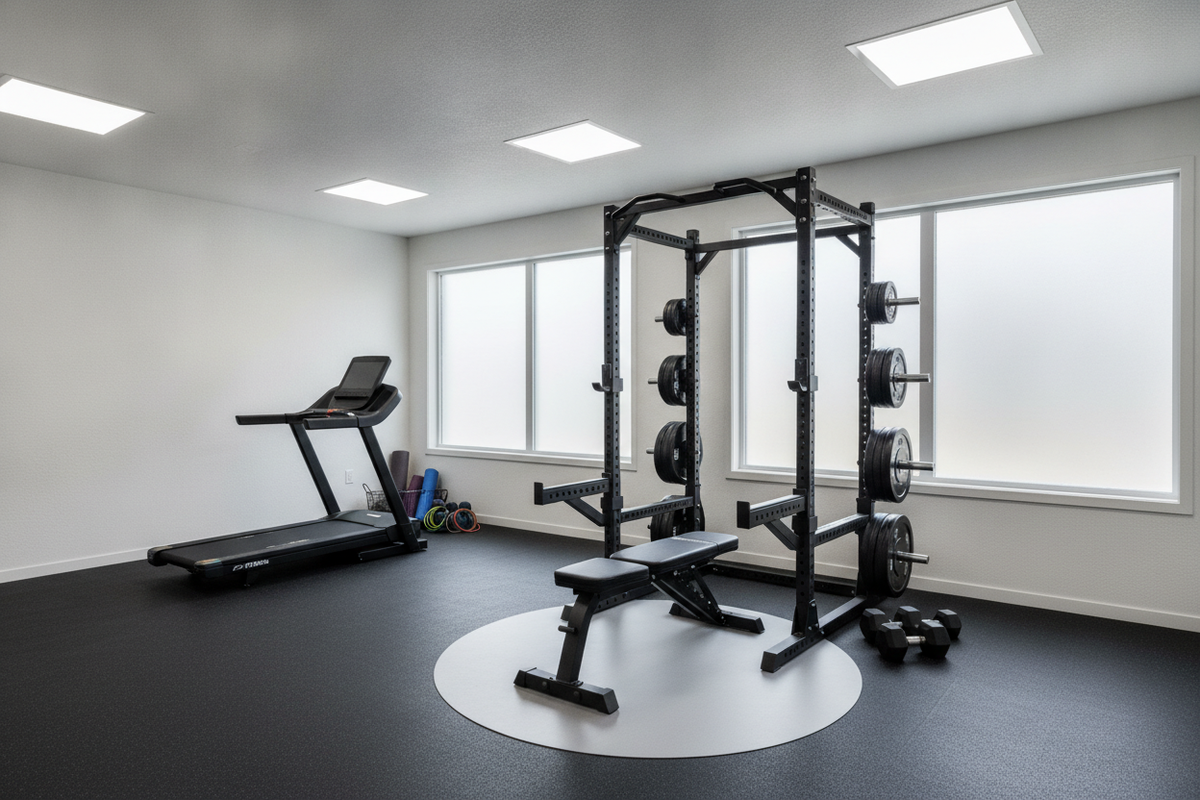
Nutritional discipline works hand-in-hand with a well-organized training environment. For teenagers training at home, setting up a dedicated lifting space establishes structure, minimizes distractions, and reinforces safe movement habits. Staging an effective home gym begins with the training surface.
The Role of Protective High-Density Flooring
Lifting weights at home requires a secure, stable base that protects both the athlete and the home structure. High-density rubber gym flooring serves as the foundation of any serious home training space:
- Traction and Stance Stability: High-density mats provide non-slip foot support during heavy squats, Romanian deadlifts, and overhead presses, ensuring that footwear grips firmly during ground-force production.
- Subfloor and Equipment Protection: Dropping or setting down dumbbells, kettlebells, and barbell plates on bare tile, hardwood, or thin carpet can cause structural damage and mar equipment finishes. Dense rubber tiles or roll-out mats absorb impact shock and shield subflooring.
- Acoustic and Vibration Dampening: Heavy rubber surfaces help muffle mechanical vibrations and dropping sounds, creating a considerate workout environment within shared family households.
Organizing the Training Zone for Daily Consistency
A tidy, dedicated space supports regular adherence to both training and post-workout nutritional routines. Staging the home gym with designated zones creates natural workflow and tidiness:
- Equipment Staging: Keep adjustable dumbbells, resistance bands, and weight collars neatly stacked on perimeter racks or shelving away from the main lifting platform.
- Hydration Station: Establish a clean perimeter area for a refillable water bottle, training logbook, and towel to minimize mid-session interruptions.
- Clearing the Platform: Ensure the central mat space remains completely unobstructed before initiating multi-joint free-weight exercises.
Long-Term Habit Architecture and Sustainable Recovery
Achieving meaningful physical development as a teenager is an endurance project rather than a sprint. While social media often spotlights rapid transformations, lasting strength and balanced body composition depend on unglamorous, repeatable daily habits.
Sleep and Passive Recovery
Nutrition provides the structural raw materials for muscle growth, but deep physiological repair takes place primarily during sleep. Young athletes juggling academics and athletic training should prioritize regular sleep schedules and quiet bedtime routines over stimulant consumption or late-night screen exposure. Consistent nightly rest supports emotional regulation, tissue adaptation, and daytime mental focus.
Space Maintenance and Equipment Hygiene
Maintaining a dedicated home gym reinforces personal responsibility and athletic discipline. Routinely wiping down rubber flooring, benches, and barbell knurling with mild cleansing solutions prevents sweat buildup, preserves mat grip, and keeps the workout space welcoming for daily use.
Reframing Progress Tracking
Finally, young lifters should avoid judging progress solely by the bathroom scale. Natural fluctuations in body weight are regular occurrences during adolescence. A more reliable way to monitor progress is through training logbooks that record technical precision, barbell confidence, energy consistency, and overall well-being. By coupling whole-food nutritional strategies with dedicated home floor staging and patience, adolescent lifters build a strong framework for lifelong health and fitness.