Body Exercise at Gym: Maximizing the Open Mat
Walk into any commercial facility at 5:30 PM on a Monday. Every squat rack is occupied, and there is a line of three people waiting for the cable crossover. You might feel tempted to turn around and head home. Instead, look over at the green turf or the open stretching mats. That empty floor space is your ticket to an elite training session.
When I program a body exercise at gym routine for my clients, we almost always start on the open mat. Mastering your own body weight before loading up a barbell is a non-negotiable rule in my coaching practice. The open floor allows you to train through full ranges of motion without the constraints of fixed machine paths.
Quick Takeaways
- The open turf is the most versatile, underutilized area of any commercial facility.
- Mastering your own body weight builds the necessary tendon strength for heavy lifting.
- Floor routines require zero wait times and keep your heart rate elevated.
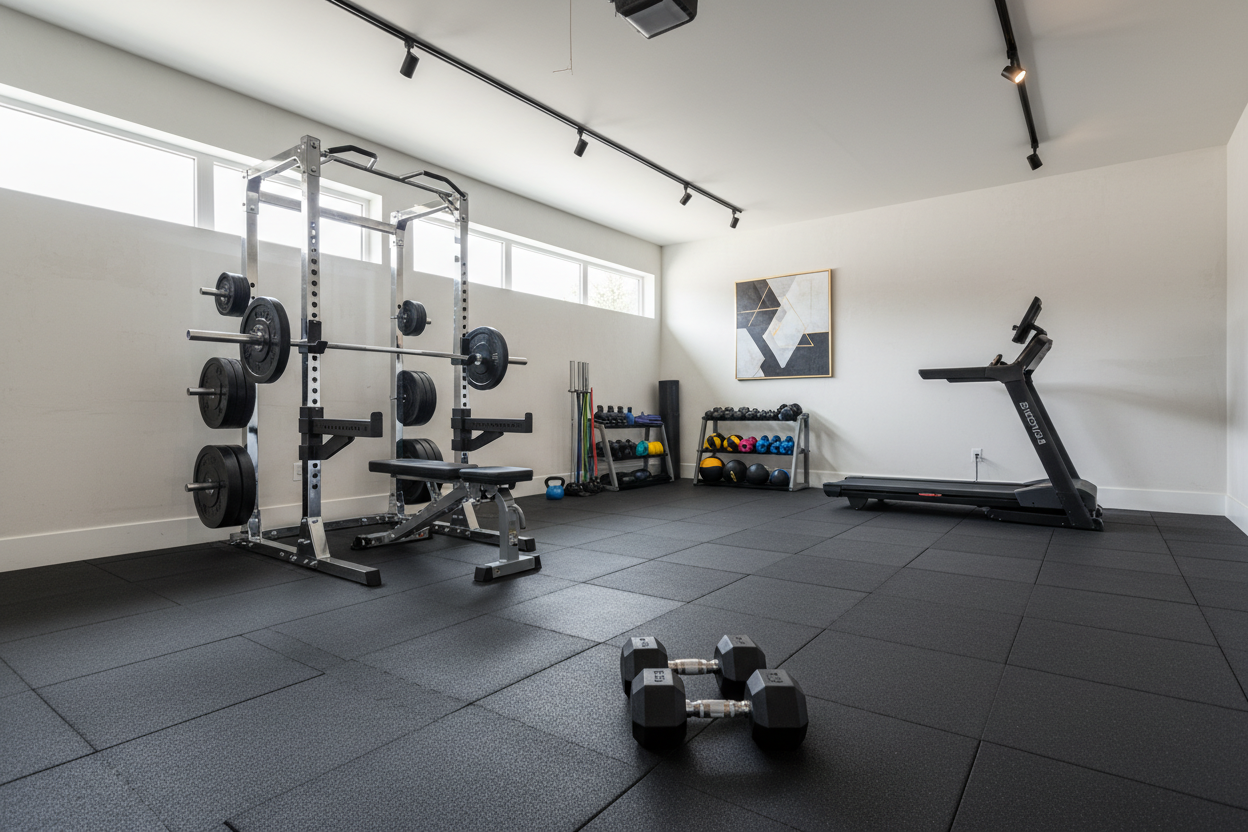
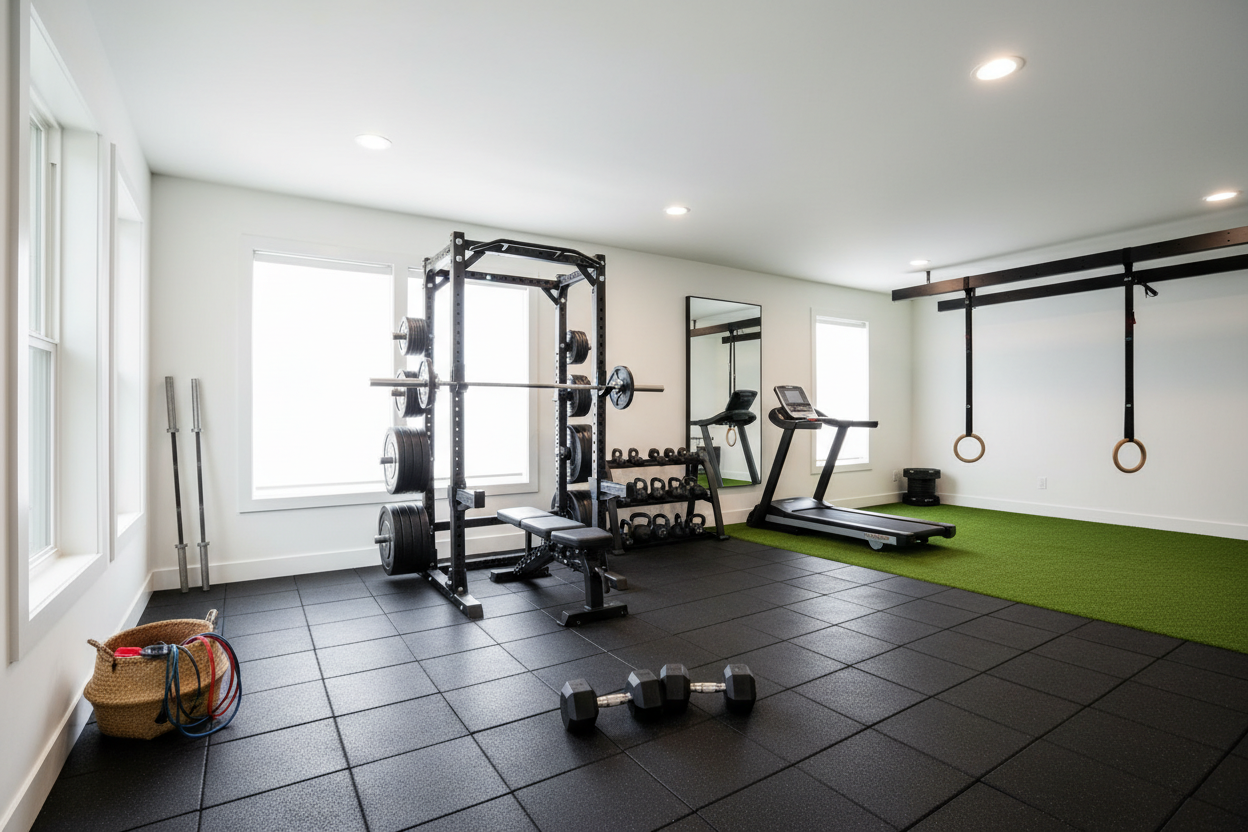
- You can easily replicate turf workouts in a spare room with the right high-density flooring.
The Overlooked Value of the Gym Turf
Most gym-goers treat the turf area exclusively as a place to stretch for five minutes before leaving. They completely ignore the potential of this open space, opting instead to jump straight onto the chest press or leg extension machines. This is a massive missed opportunity.
When you restrict yourself to machines, you rely on the equipment to stabilize the load. When you utilize the open floor for body workouts gym sessions, your core and stabilizing muscles are forced to do the heavy lifting. I always tell my clients that if you cannot control your own body weight through space, you have no business loading 225 pounds onto a barbell.
The turf also offers a forgiving surface for explosive movements. The slight compression of the artificial grass or high-density foam padding reduces the impact on your joints during plyometrics. Plus, working in this area means you dictate the pace. There is no waiting for someone to finish scrolling on their phone between sets. You claim your 6x6 foot square of space, and you get to work.
Essential Gym Body Exercises for the Floor
You do not need a complex setup to build functional strength. A solid routine relies on mastering foundational movement patterns. These are the gym body exercises I program daily for clients looking to build muscle and improve mobility simultaneously.
First, the strict push-up. Most people perform these with their elbows flared out at 90 degrees, which wreaks havoc on the rotator cuff. On the mat, position your hands shoulder-width apart and keep your elbows tucked at a 45-degree angle. Lower yourself until your chest physically touches the floor, then press back up. If you cannot hit 15 strict reps, drop to your knees or elevate your hands on a nearby med ball.
Next is the walking lunge. The turf provides the perfect runway for this. I look for a 90-degree angle in both the front and back knees at the bottom of the movement. Your back knee should gently kiss the mat—do not slam it into the floor. Aim for 20 total steps per set to build serious unilateral leg strength.
Finally, the hollow body hold. Planks are great, but the hollow body hold forces intense core engagement. Lie on your back, press your lower back flat into the mat, and extend your arms and legs out just a few inches off the floor. If I can slide my hand under your lower back, you are doing it wrong. Hold this for 45 seconds, and your abs will be on fire.
Structuring Your Body Workouts Gym Routine
Knowing the exercises is only half the battle. Programming them into a cohesive session is where the actual results happen. For a turf-based routine, I prefer circuit training or EMOM (Every Minute on the Minute) formats to keep the intensity high and the workout dense.
Try this specific rep scheme for your next turf session: 4 rounds of 40 seconds of work followed by 20 seconds of rest. Rotate through push-ups, walking lunges, hollow body holds, and lateral bounds. This structure forces you to manage your fatigue while maintaining strict form. Focus on a controlled tempo—two seconds down, a one-second pause at the bottom, and a powerful concentric push.
If you want to understand how these targeted circuits fit into a broader macrocycle, I highly recommend reading this complete home gym training guide. It breaks down how to balance these high-intensity floor sessions with proper recovery and progression.
Warm-Up and Activation Sequence
Never jump straight into a high-intensity circuit cold. Use the mat for a dedicated 5-minute activation sequence. Start with 10 repetitions of cat-cow stretches to mobilize the thoracic spine. Move into bird-dogs, performing 2 sets of 10 reps per side. Focus on extending your arm and opposite leg fully without letting your hips rotate.
Finish your warm-up with 15 glute bridges. Drive through your heels and squeeze your glutes at the top for a full two seconds. This sequence lubricates the joints and fires up the central nervous system, preparing your body for the harder work ahead.
Transitioning Floor Routines to Your Home Space
Once you fall in love with the efficiency of turf training, you will inevitably want to bring that experience home. The biggest mistake I see clients make is trying to perform these dynamic routines on a standard, thin yoga mat or directly on a living room carpet. Carpet causes friction burns during mountain climbers, and thin mats slip out from under you during lunges.
As a trainer who has built dozens of home gyms, I can tell you firsthand that flooring is the most critical investment you will make. I once tested a cheap set of interlocking puzzle mats in a client's garage. During a set of lateral bounds, the tiles separated, causing a rolled ankle. Since then, I only recommend seamless, high-density surfaces. You need to invest in a large exercise mat for home gym use to safely replicate the commercial turf feel.
For most standard garage or spare bedroom setups, a 6x8ft exercise mat gym flooring provides the exact dimensions required. It gives you enough runway for walking lunges and enough width for lateral shuffles, all while offering the same joint protection you get from commercial-grade facility padding.
Advanced Progressions for Mat Training
When basic push-ups and lunges feel too easy, it is time to progress the mechanics rather than just adding endless reps. On the mat, you can introduce plyometrics. Swap standard push-ups for clapping push-ups to build explosive upper body power. Swap walking lunges for jumping split squats.
You can also introduce advanced unilateral mechanics. The pistol squat is the ultimate test of lower body mobility and strength. Start by holding onto a TRX strap or a resistance band anchored to a heavy kettlebell on the floor. Work on controlling the eccentric descent until your hamstring touches your calf, then drive back up. These advanced movements ensure you never outgrow your floor space.
Frequently Asked Questions
Can I build muscle using only bodyweight exercises on the mat?
Absolutely. Muscle hypertrophy requires mechanical tension and progressive overload. By slowing down your tempo, increasing your range of motion, and utilizing unilateral exercises like pistol squats, you can provide enough stimulus to build significant muscle mass without weights.
How thick should a mat be for home floor routines?
For dynamic bodyweight training and plyometrics, aim for a high-density mat that is at least 7mm thick. This provides enough cushioning for your joints during high-impact landings while remaining firm enough to prevent your wrists from sinking during push-ups and planks.
Is it okay to train on the turf every day?
While bodyweight exercises are generally easier to recover from than heavy barbell lifts, you still need rest. I recommend 3 to 4 dedicated floor sessions per week. Use the off days for active recovery, light stretching, or low-intensity cardio.