Black Gym Floor Tiles: The Complete Buyer's Guide
There is nothing quite like the heart-stopping sound of a 50-pound dumbbell slipping from your grip and crashing directly onto an unprotected concrete floor. Beyond the noise, the resulting chips, cracks, and damaged equipment are a quick way to ruin your workout momentum. If you are building a garage setup or converting a spare bedroom, high-quality black gym floor tiles are the unsung heroes of your training space.
Choosing the right flooring dictates what kind of lifting you can actually do at home. In this guide, we will break down everything you need to know about selecting, installing, and maintaining the perfect foundation for your home gym.
Key Takeaways
- Thickness dictates function: 3/8-inch is standard for general fitness, while 3/4-inch is required for heavy Olympic lifting.
- Material is everything: Vulcanized rubber is vastly superior to EVA foam for durability and shock absorption.
- Interlocking vs. Straight Edge: Interlocking tiles are easier for DIY installation and prevent shifting during high-impact workouts.
- Odor control: Virgin rubber has less off-gassing smell compared to recycled tire rubber, an important factor for indoor spaces.
Choosing the Right Specs for Your Space
Rubber vs. Foam
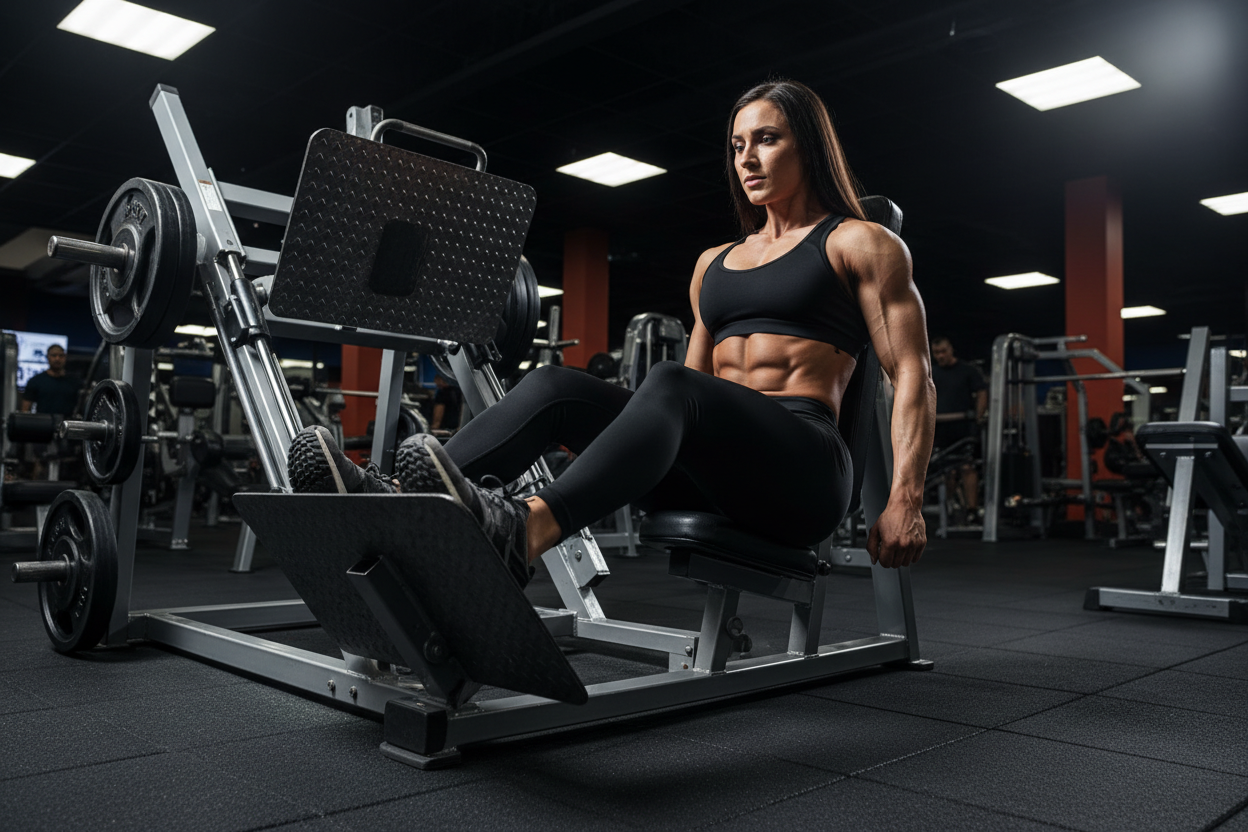
The biggest mistake new home gym owners make is buying cheap EVA foam puzzle mats. While they are budget-friendly, foam compresses under heavy racks and offers zero protection against dropped weights. For a true training environment, heavy-duty vulcanized rubber is the only way to go. It absorbs shock, deadens sound, and provides the necessary grip for heavy squats and deadlifts.
Finding the Right Thickness
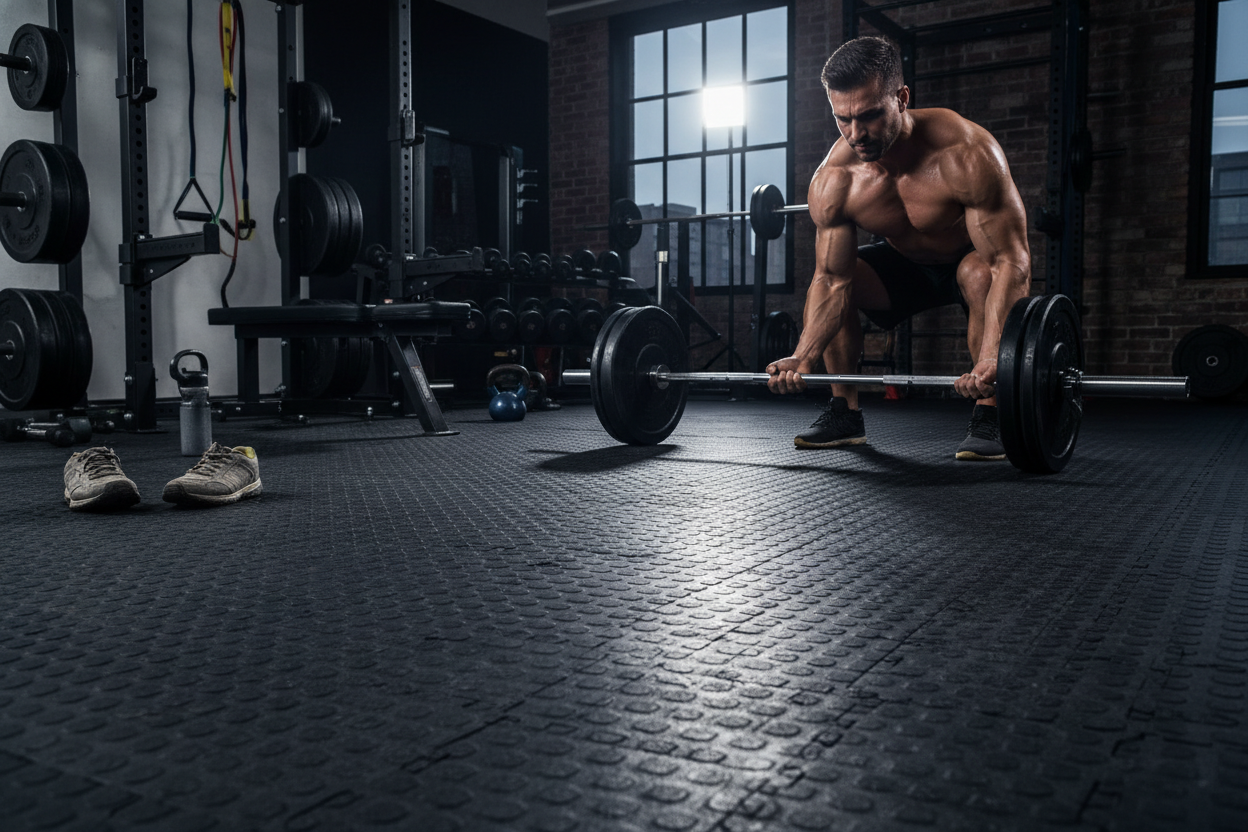
Not all black gym floor tiles are created equal. If your routine consists of yoga, light dumbbell work, and cardio machines, a 1/4-inch to 5/16-inch tile will suffice. However, if you are dropping loaded barbells or setting up a heavy power rack, you need at least a 3/8-inch to 1/2-inch thickness. For dedicated Olympic weightlifting platforms, 3/4-inch rubber is the gold standard to protect your foundation.
Space Planning and Installation
Garage Gyms to Spare Bedrooms
Whether you are outfitting a two-car garage or a 10x10 spare bedroom, black interlocking tiles offer modular flexibility. Unlike heavy 4x6 horse stall mats that weigh 100 pounds each and are a nightmare to move, interlocking tiles generally weigh between 8 to 15 pounds. This makes them ideal for basement stairs and tight corners.
Measuring and Cutting Tips
Always order 10% more flooring than your square footage requires to account for cutting mistakes. When trimming tiles to fit flush against your baseboards, use a sharp utility knife, a metal straight edge, and a piece of scrap wood underneath. Dipping your blade in soapy water makes cutting through thick rubber significantly easier.
From Our Gym: Honest Take
When we outfitted our main testing garage last spring, we opted for 1/2-inch interlocking black gym floor tiles made from recycled rubber. The grip is phenomenal—my feet stay completely planted during heavy sumo deadlifts, even when the humidity kicks up. I also appreciate that the seamless black look hides chalk dust and shoe scuffs incredibly well.
However, I will be honest about the caveat: the new rubber smell is real. Because we used recycled tire rubber, it took about three weeks of leaving the garage doors open with high-velocity fans running before the odor fully dissipated. If you are installing these in a poorly ventilated basement, I highly recommend spending the extra money on virgin rubber tiles or washing them with a mild degreaser before laying them down.
Frequently Asked Questions
Are black gym floor tiles hard to clean?
Not at all. For daily maintenance, a quick sweep or vacuum handles dust and debris. For a deeper clean, use a damp mop with water and a pH-neutral cleaner. Avoid harsh chemicals like bleach, which can break down the rubber over time.
Can I put my power rack directly on top of interlocking tiles?
Yes, provided the tiles are made of high-density rubber and are at least 3/8-inch thick. High-density rubber will not permanently compress or warp under the static weight of a heavy power rack.
Do I need to glue down my gym flooring?
For most residential home gyms, gluing is unnecessary. The sheer weight of the rubber, combined with an interlocking design and the weight of your equipment, will keep the flooring firmly in place without damaging your subfloor.