Bicycle Exercise Bike Truths: What to Know Before You Buy
Whether you are dodging winter storms or just sick of waiting for the cardio machines at your local health club, bringing your workouts in-house is a total game changer. But let's be real: choosing the right bicycle exercise bike can feel overwhelming when you are staring at dozens of nearly identical models online.
If you want a reliable setup that won't end up as an expensive clothes hanger, you need to look past the marketing hype. In this guide, we will break down exactly what separates a flimsy frame from premium cycling fitness equipment that you will actually look forward to using.
Key Takeaways
- Resistance matters: Magnetic resistance systems offer a significantly quieter, smoother ride than older friction-pad models.
- Flywheel weight is crucial: Look for a flywheel weighing at least 30 lbs for that authentic, momentum-driven road feel.
- Space requirements: Most stationary bike equipment requires a compact 2-by-4-foot footprint, making it ideal for apartments and garage gyms alike.
- Adjustability is non-negotiable: Four-way seat and handlebar adjustments are essential to prevent knee and lower back pain.
Performance Specs That Actually Matter
When shopping for bikes for workout routines, the spec sheet can look like a foreign language. Here is what actually dictates how your indoor fitness bike will perform day in and day out.
Resistance Types: Magnetic vs. Friction
The heart of any exercise workout bike is its resistance mechanism. Friction resistance uses felt pads that physically press against the flywheel. While budget-friendly, they require frequent maintenance and can be quite noisy. Magnetic resistance, found on modern stationary bikes exercise bikes, uses powerful magnets to create drag. It is virtually silent, requires zero maintenance, and provides consistent, measurable tension for your rides.
Flywheel Weight and Drive Systems
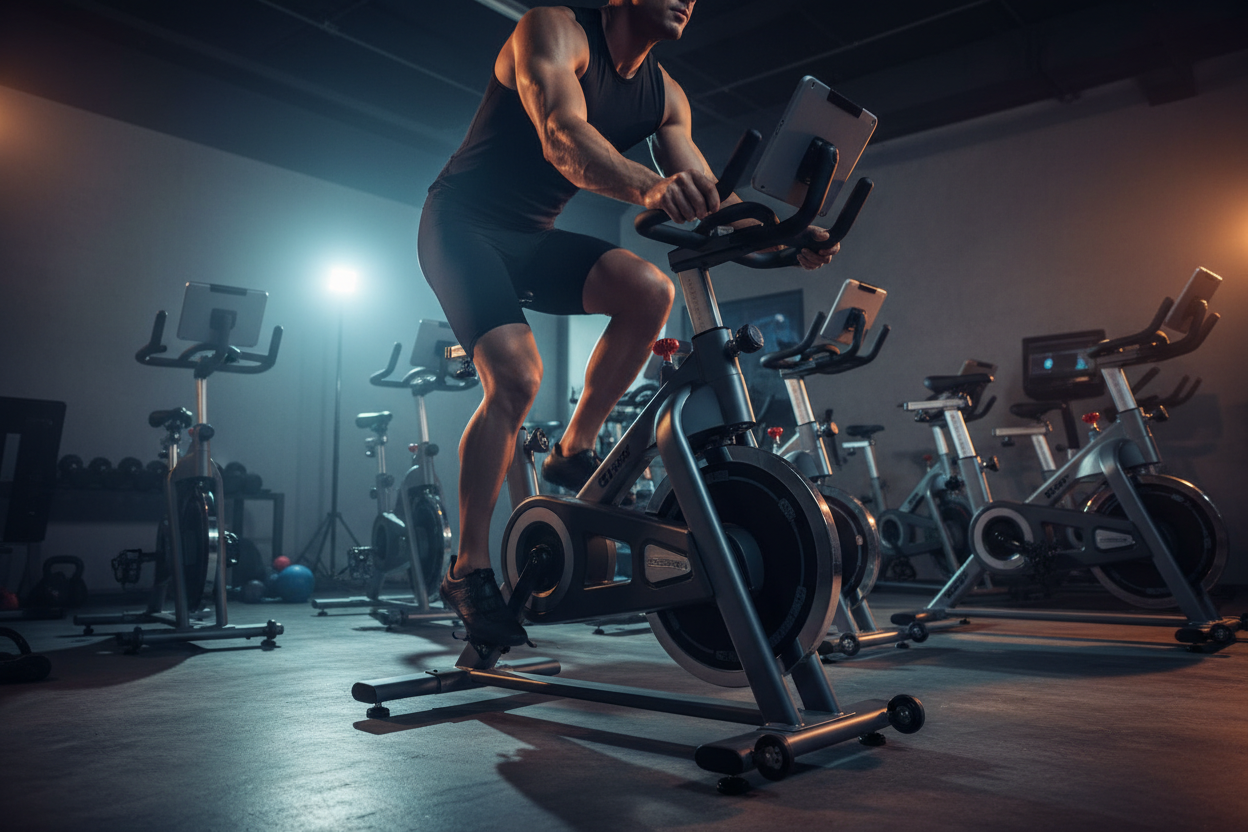
If you are looking at a spin bike machine, pay close attention to the flywheel. A heavier flywheel carries more momentum, eliminating the choppy, up-and-down pedal stroke often found on cheap exercise cycle machines. Pair a heavy flywheel with a reinforced belt drive (rather than a chain drive) for an ultra-quiet indoor cycle machine that won't wake up the whole house during your 5 AM sprint sessions.
Finding the Right Fit for Your Space
One of the biggest advantages of a bicycle for indoor exercise is its highly compact footprint when compared to bulky treadmills or sweeping ellipticals.
Dimensions and Clearances
Most gym exercise bikes need about 48 inches of length and 24 inches of width. However, you must also account for mounting and dismounting clearance. If you are setting up your cycling at home equipment in a basement, ensure you have enough ceiling height to comfortably stand on the pedals during high-intensity climbs. An indoor gym bike is incredibly versatile, but nobody wants to hit their head on a ceiling joist when they pop up for a sprint.
Maximizing Your At-Home Workouts
A high-quality bicycle workout equipment setup is only as good as the effort you put into it. The true beauty of an aerobic bike is its adaptability to different training styles and fitness levels.
Programming and Versatility
You don't necessarily need a massive, built-in screen to get a world-class workout. Many users prefer a simple indoor stationary bicycle equipped with a sturdy tablet holder. This allows you to stream third-party cycling apps, follow YouTube classes, or just watch Netflix while you pedal. Whether you are doing steady-state cardio on an upright model or high-intensity interval training on a cycling bike gym setup, finding a routine that keeps you consistent is your ultimate goal.
From Our Gym: Honest Take
After logging hundreds of miles on various indoor cycling exercise bikes in our testing facility, I can tell you firsthand that ergonomics will make or break your experience. We recently tested a highly-rated spin bike new model that looked incredible on paper. The steel frame was rock solid, and the magnetic resistance was utterly flawless.
However, at 6'2", I found the seat post simply didn't extend high enough for a proper leg extension, leaving my knees aching after a 45-minute ride. This is a surprisingly common issue with budget-friendly indoor bike equipment. Always check the maximum user height and inseam capacity before buying. Also, don't be afraid to swap out the stock saddle—most factory seats on a machine bicycle are notoriously stiff. Upgrading the saddle or adding a high-density gel cover was the single best $30 investment I made for my personal cycling bike home setup.
Frequently Asked Questions
Is a bicycle exercise bike good for weight loss?
Yes. Riding a cycle for exercise is an excellent, low-impact way to burn calories and improve your cardiovascular health. Combined with a proper diet, regular sessions on an exercise bicycle indoor can significantly aid in fat loss without putting undue stress on your hips, knees, or ankles.
How much space do I need for an indoor gym bike?
Most bike exercise indoor models require a physical footprint of roughly 2 feet by 4 feet. However, for safety reasons, you should leave at least 2 feet of open clearance on all sides for safe mounting, dismounting, and routine maintenance.
What is the difference between an upright bike and a spin bike?
An upright fitness bicycle indoor keeps you in a seated, vertical position with a wider seat, which is ideal for casual, steady-state cardio. A spin-style bike for indoor exercise mimics the aggressive geometry of a road bike, allowing you to lean forward and stand up on the pedals for intense, dynamic workouts.