Best Treadmills for Weight Loss: Stop Buying the Wrong Cardio Gear
Hitting a workout plateau is frustrating, especially when you are putting in the effort but fighting against subpar equipment. For many North American garage gym owners and basement athletes, cardio is the missing link to shedding stubborn body fat. But let's be honest: not all cardio machines are created equal. Finding the best treadmills for weight loss means looking past flashy screens and focusing on the mechanics that actually drive metabolic conditioning.
Whether you are tight on space, working with a strict budget, or just tired of high-impact joint pain, choosing the best treadmill for weight loss at home requires a strategic approach. In this guide, we will break down the exact specifications you need, how to fit a unit into your floor plan, and the training methods that actually yield results.
Key Takeaways
- Incline is non-negotiable: A treadmill with at least a 12% incline setting burns significantly more calories at lower speeds, protecting your joints.
- Look for 3.0 CHP minimum: Continuous Horsepower (CHP) matters for weight loss because the motor needs to withstand longer, varied interval sessions without overheating.
- Cushioning saves workouts: Advanced deck shock absorption prevents the knee and back pain that often derails weight loss consistency.
- Track width matters: A 20-inch to 22-inch belt width provides the lateral stability needed when fatigue sets in during high-intensity intervals.
Crucial Specs for Fat-Burning Cardio
When your primary goal is losing weight, your treadmill needs to support progressive overload just like your weightlifting equipment. Here is what separates a true training tool from a glorified coat rack.
Motor Power (CHP) Matters
If you are incorporating sprint intervals or long incline walks—both highly effective for fat loss—a weak motor will bog down and burn out. Look for a Continuous Duty Rating (CHP) rather than just 'Peak HP'. A 3.0 CHP motor is the sweet spot for home users, offering enough torque to transition smoothly between walking and running speeds without stuttering under your footfalls.
Incline Capabilities for Calorie Torching
Running faster isn't the only way to lose weight. Walking at a steep incline recruits more of your glutes and hamstrings while elevating your heart rate into the fat-burning zone. Models offering up to 15% incline give you massive versatility for Low-Intensity Steady State (LISS) cardio, allowing you to burn up to double the calories compared to walking on a flat surface.
Fitting a Treadmill into Your Home Gym
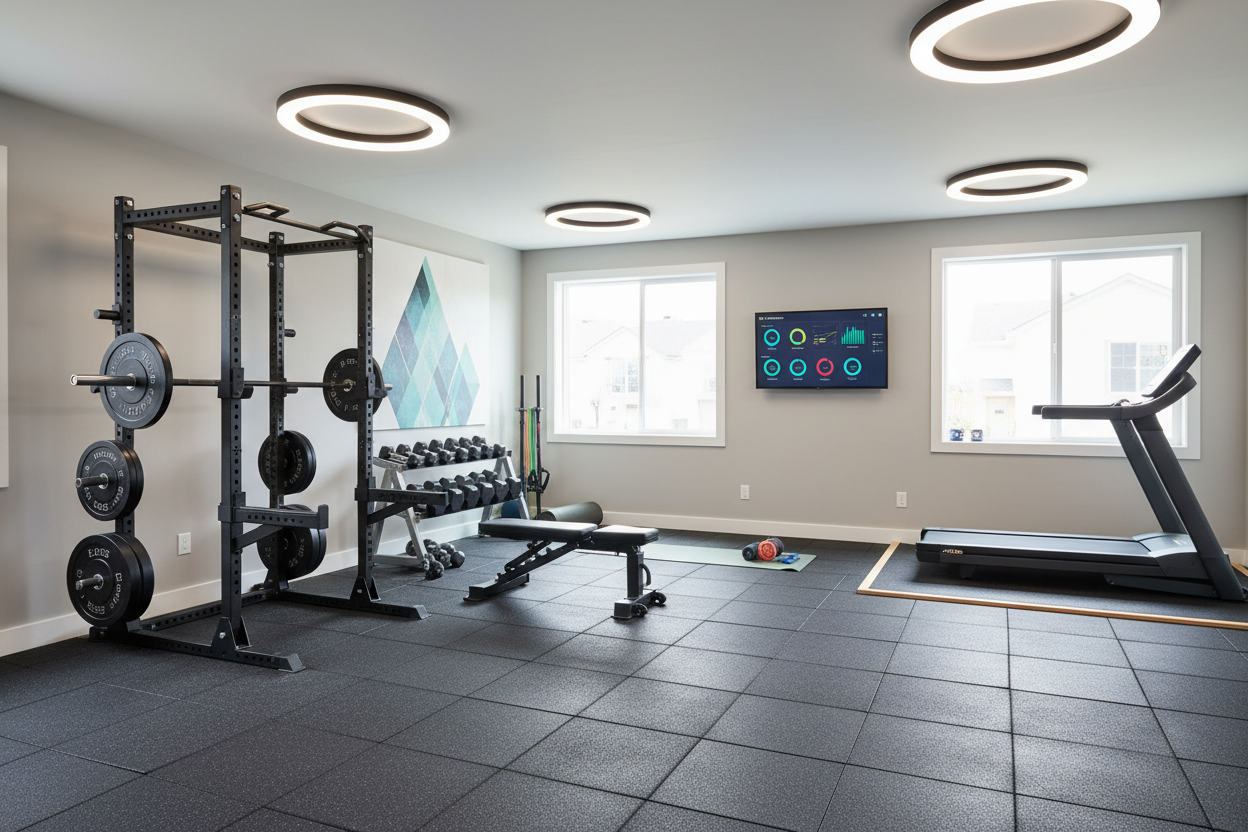
Space is the ultimate premium in any home gym. A treadmill is a large footprint item, so planning your layout is critical before pulling the trigger.
Folding Mechanisms vs. Fixed Frames
If you are working with a spare bedroom or a shared garage, a folding treadmill with hydraulic lift assist is a lifesaver. Modern folding mechanisms are incredibly robust and rarely sacrifice deck stability. However, ensure you have at least 80 inches of length clearance when deployed, and a minimum of 8 feet of ceiling clearance if you plan on utilizing maximum incline settings—especially if you are over 6 feet tall.
Maximizing Your Weight Loss Routine
Owning the equipment is only half the battle; how you use it dictates your success.
HIIT vs. LISS Training
For weight loss, alternating between High-Intensity Interval Training (HIIT) and LISS is highly effective. Try 30-second all-out sprints followed by 90 seconds of walking recovery for 20 minutes to spike your metabolism. On active recovery days, set the incline to 10% and walk at 3 mph for 45 minutes. This combination prevents burnout while consistently driving a caloric deficit.
From Our Gym: Honest Take
Over the last eight months, I've logged over 300 miles on various mid-tier and commercial models in our test garage. One thing I learned quickly: if you want the best treadmill for weight loss at home, do not skimp on the deck cushioning. At 210 pounds, doing HIIT sprints on a cheap 50-inch deck left my knees aching for days. Upgrading to a model with advanced elastomer shock absorption was a game-changer for my training volume. My only gripe across the board? The built-in console fans on almost all home units are practically useless. Do yourself a favor and buy a high-velocity floor fan to keep nearby—you will need it when those incline intervals hit.
Frequently Asked Questions
Are treadmills good for losing belly fat?
Yes, but with a caveat. You cannot spot-reduce belly fat. However, treadmills are exceptional for creating the overall caloric deficit required to lower your total body fat percentage, which will eventually slim down your midsection.
How much should I spend on a home treadmill?
For a durable machine that supports daily weight loss routines without breaking down, expect to invest between $1,000 and $2,000. Going below this usually means sacrificing motor longevity, deck size, and crucial cushioning.
Is a folding treadmill sturdy enough for running?
Absolutely. Today's mid-range to high-end folding treadmills feature heavy-duty steel frames and crossbars that provide a rock-solid running surface. Just ensure the machine weighs at least 200 pounds assembled, as heavier machines shake less during sprints.