Best Diet for Weight Loss with Exercise: Daily Plan
Finding the best diet for weight loss with exercise is rarely about cutting out entire food groups or drastically slashing portions. When you push your body through daily training sessions, your nutritional needs shift dramatically compared to a sedentary routine. You need enough energy to lift weights, complete cardio intervals, and recover without burning out, all while maintaining the gentle deficit required to trim excess body fat.
Choosing the right approach means treating food as fuel rather than a hurdle. When you establish a balanced eating pattern, you can protect your lean tissue, keep your daily energy steady, and make real progress toward your personal fitness targets.
What Is the Best Diet for Weight Loss with Exercise?
The best diet for weight loss with exercise is a balanced eating approach built around whole foods, adequate protein, and unrefined carbohydrates that support physical training while creating a moderate calorie deficit. Rather than relying on crash diets, this method prioritizes consistent nutrition so that your body has the raw materials needed for recovery, lean muscle preservation, and sustained movement.
When you start combining regular gym sessions with a dietary change, many people assume that eating as little as possible will accelerate their results. In practice, severe restriction usually leads to extreme fatigue, missed workouts, and unwanted loss of lean tissue. A successful healthy diet to lose weight while working out gives you the vitality to perform challenging movements while guiding your body to tap into stored fat for fuel.
Creating a reasonable calorie deficit remains fundamental for dropping weight, but the size of that deficit matters. A moderate reduction allows you to stay energetic, whereas an overly aggressive drop can cause your metabolic rate to slow and lead to intense cravings. By focusing on whole foods that provide high nutritional volume, you can manage hunger without falling short on essential vitamins and minerals.
Best Diet for Working Out and Losing Weight: Key Nutrients
Selecting the best diet for working out and losing weight requires balancing three primary macronutrient categories: lean proteins, complex carbohydrates, and healthy fats. Each nutrient serves an essential role in how your body handles physical stress and uses energy throughout the week.
How Do Protein and Carbs Support Fat Loss During Workouts?
Protein and carbohydrates work together by supplying fast-acting glycogen for muscle contractions while delivering amino acids to rebuild tissue during post-workout recovery. Without adequate carbohydrates, your high-intensity sessions can feel sluggish and flat; without sufficient protein, your body may break down existing muscle mass to meet its energy demands during a calorie deficit.
Prioritizing lean protein sources such as skinless poultry, fish, tofu, egg whites, and legumes keeps you feeling full longer and supports tissue repair after demanding training days. Because preserving lean muscle mass is vital for maintaining an active metabolic rate, spreading protein intake across your daily meals is one of the most effective strategies in any best workout diet for weight loss.
Meanwhile, complex carbohydrates like oats, sweet potatoes, brown rice, and quinoa provide sustained energy release without steep blood sugar spikes. Pairing these with sensible portions of healthy fats—including olive oil, avocados, nuts, and seeds—supports overall cellular health and helps absorb fat-soluble vitamins. Maintaining careful portion control ensures you hit your energy balance goals without feeling deprived.
What Should I Eat Before and After Exercising to Lose Fat?
To lose fat while exercising, eat a light, easily digestible carbohydrate snack before your workout and follow up with a protein-rich meal or snack shortly after finishing. This nutrient schedule supplies available glucose to power your session while giving your muscles the structural building blocks they need for rapid post-workout recovery.
Smart Pre-Workout Fuel Choices
A smart pre-workout snack consumed 30 to 60 minutes before training should be moderate in carbohydrates, modest in protein, and low in heavy fats or excess fiber. Good choices include a banana with a light smear of nut butter, a slice of whole-grain toast, or a small bowl of oatmeal. This gives your working muscles immediate fuel so you can maintain high energy levels through every set and interval.
Hydration also plays a critical role before you begin moving. Starting your workout dehydrated can make routine movements feel noticeably harder and drain your stamina early. Sipping water consistently leading up to training supports optimal performance and helps you distinguish actual hunger from basic thirst.
Post-Workout Recovery and Muscle Repair
Your post-workout meal serves to replenish glycogen stores and initiate tissue repair. Choosing the best diet for weight loss while working out means making this recovery window count with nutrient-dense options. A plate featuring grilled chicken, roasted vegetables, and a side of quinoa, or a simple protein smoothie blended with berries and unsweetened almond milk, helps calm post-exercise appetite spikes.
Prioritizing proper hydration alongside post-workout nutrition also assists in clearing metabolic waste and restoring fluid balance. When you refuel properly, your body is ready to tackle the next day's training without lingering soreness or mental fatigue.
Pairing Nutrition with Consistent Home Training
Even the best diet to lose weight while working out relies on a dependable exercise habit to deliver noticeable changes in body composition. Whether your preference leans toward strength training or cardio workouts, establishing an accessible training setup makes it far easier to stay consistent across busy work weeks.
If you are looking for structured training ideas to combine with your eating plan, exploring beginner weight loss workout routines can help you organize your weekly sessions with confidence.
Strength Training and Cardio Workouts
Balancing resistance work with cardiovascular exercise offers a complete stimulus for fat loss and cardiovascular health. Resistance lifting and bodyweight exercises challenge your muscles, prompting the retention of lean tissue even when you consume fewer calories than you burn. Cardio sessions, including steady jogging, cycling, or high-intensity interval training, increase your total daily expenditure and build stamina.
Your nutritional plan can flex slightly depending on your workout style. Intense lifting days may call for a slightly higher proportion of complex carbohydrates around your session, while lighter active recovery days may focus more heavily on fresh produce, lean protein, and leafy greens.
Creating a Safe Surface for Home Workouts
Engaging in high-intensity interval training and repetitive bodyweight exercises at home requires an appropriate environment to protect your joints. Performing explosive lunges, burpees, or heavy lifts directly on hard concrete or thin carpet can increase joint impact on your ankles, knees, and hips over time.
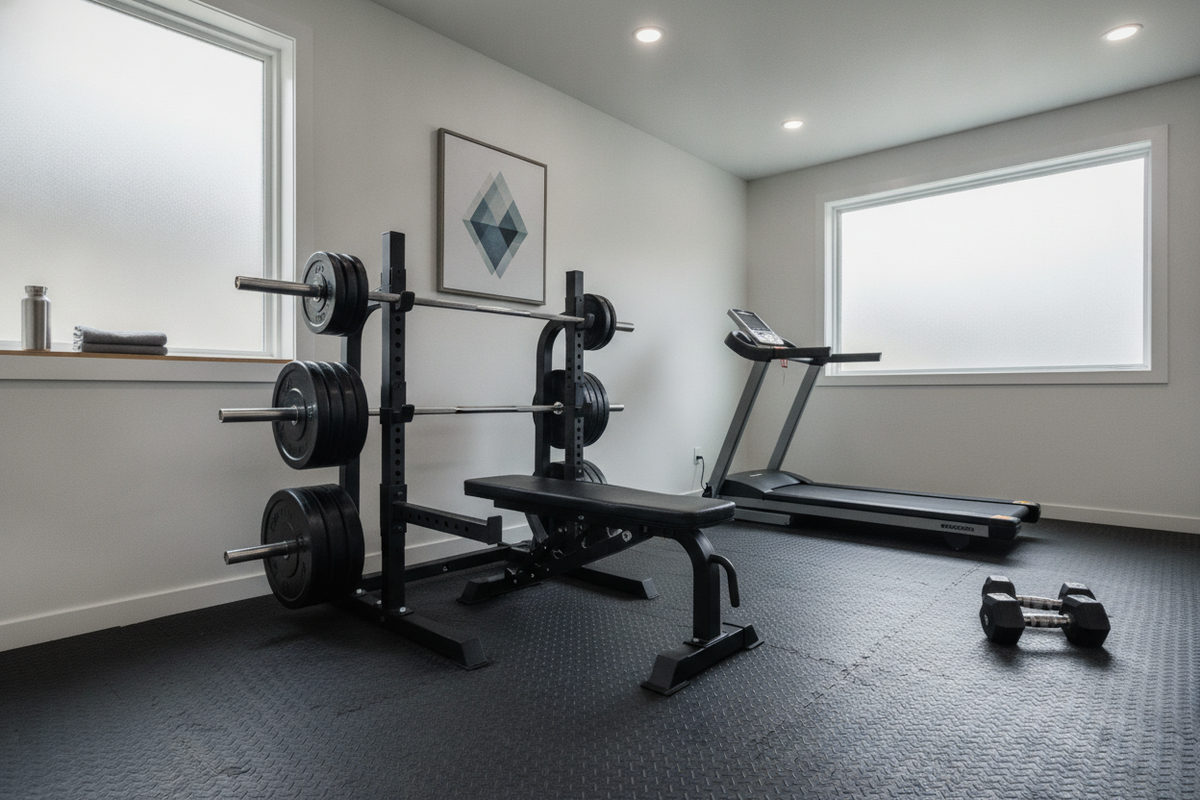
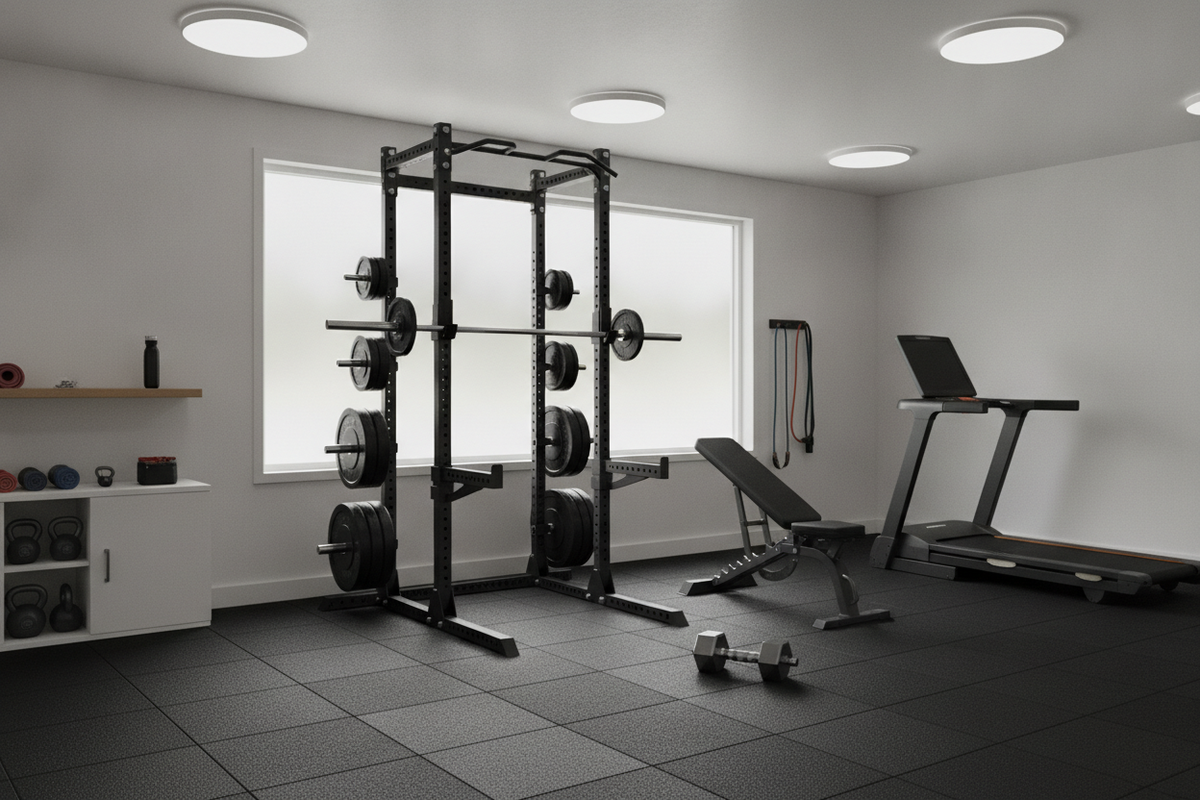
Setting up dedicated home gym flooring or laying down a reliable mat from our supportive exercise mat collection adds essential cushioning to your workout area. For broader floor coverage during dynamic movement, using a large home workout mat creates a stable, non-slip foundation that protects your flooring and reduces repetitive stress on your joints during vigorous home workouts.
Common Diet Mistakes When Exercising for Weight Loss
Many individuals follow what they believe is the best diet to lose weight while exercising, only to find their progress stalling. Often, small misconceptions about energy balance and appetite stand in the way of steady results.
Cutting Calories Too Low for Your Training Volume
Drastically slashing your intake while simultaneously stepping up training frequency is one of the most common pitfalls. If your body senses an extreme shortage of incoming energy, your daily energy levels can plummet, making both your workouts and your everyday tasks feel exhausting. Over time, this imbalance can lead to muscle loss and lower your overall metabolic rate, making long-term fat loss harder to maintain.
Overestimating Calories Burned During Workouts
Another frequent challenge is the tendency to reward a tough training session with oversized portions or calorie-dense treats. While intense exercise burns energy, it is surprisingly easy to erase a deficit with a single unmeasured meal. Maintaining a mindful approach to portion control and relying on nutrient-packed whole foods helps ensure that your meals replenish your muscles without exceeding your daily targets.
Mindless snacking between daily meals can also accumulate quickly. Keeping a simple food log for a week or two can provide useful insights into where extra calories might be sneaking into your routine.
Building a Sustainable Weekly Meal and Workout Routine
Adopting the best diet while exercising lose weight successfully means building an uncomplicated system that fits your lifestyle. Meal preparation is one of the most reliable habits for staying on track. When you prepare batches of lean proteins, roast vegetables, and pre-cook whole grains over the weekend, putting together a healthy plate on busy weeknights takes only minutes.
- Focus on complete plates: Build each main meal around a palm-sized portion of lean protein, two fistfuls of vegetables, and a modest serving of complex carbohydrates.
- Stay ahead of hydration: Keep a water bottle near your desk and workout station, drinking fluids regularly throughout the day.
- Plan around workout times: Schedule your pre-workout snack and post-workout recovery meals to coincide with your training window for maximum energy.
- Protect your training space: Ensure your home workout floor offers adequate grip and shock absorption so you can exercise comfortably day after day.
Ultimately, the best diet for weight loss with exercise is the one you can stick with for months and years rather than days. By honoring your body's energy needs, choosing wholesome ingredients, and maintaining a consistent training routine on a supportive surface, you create a sustainable path toward lasting health, strength, and weight loss.