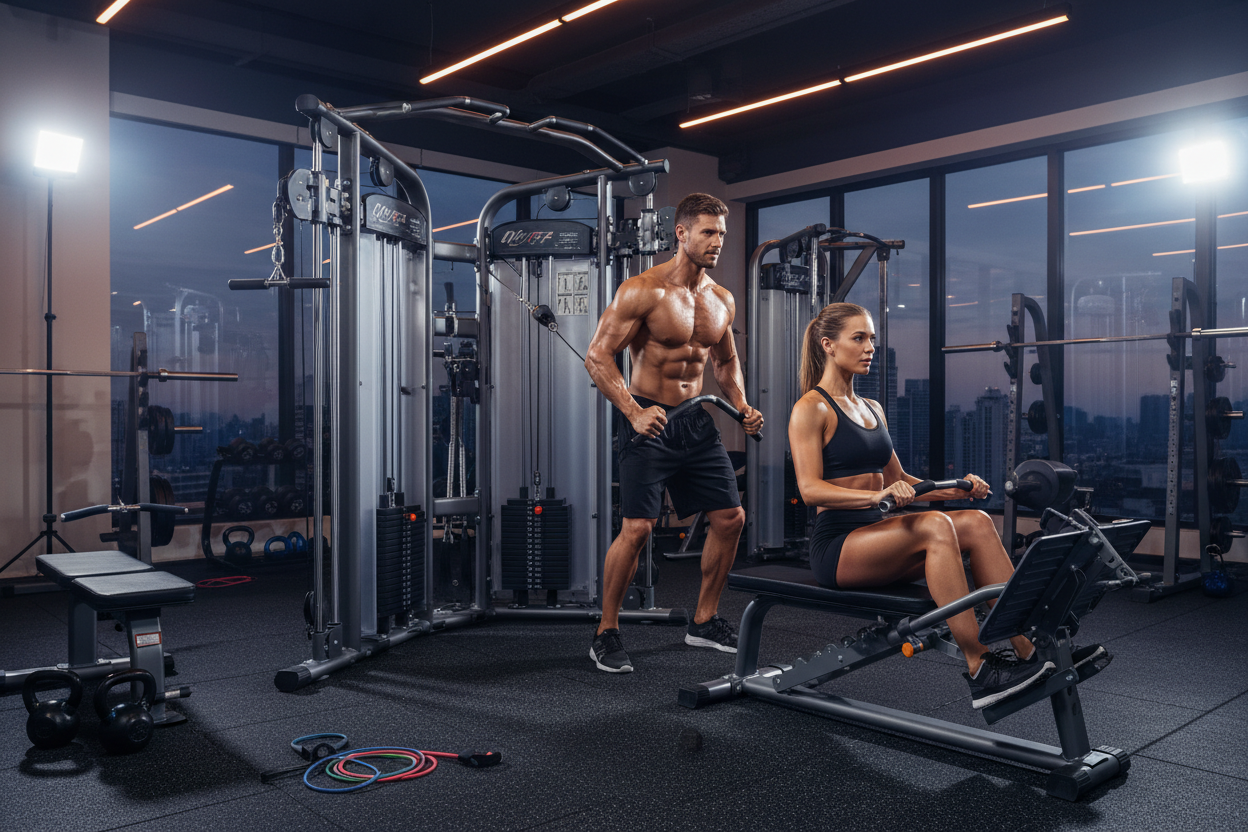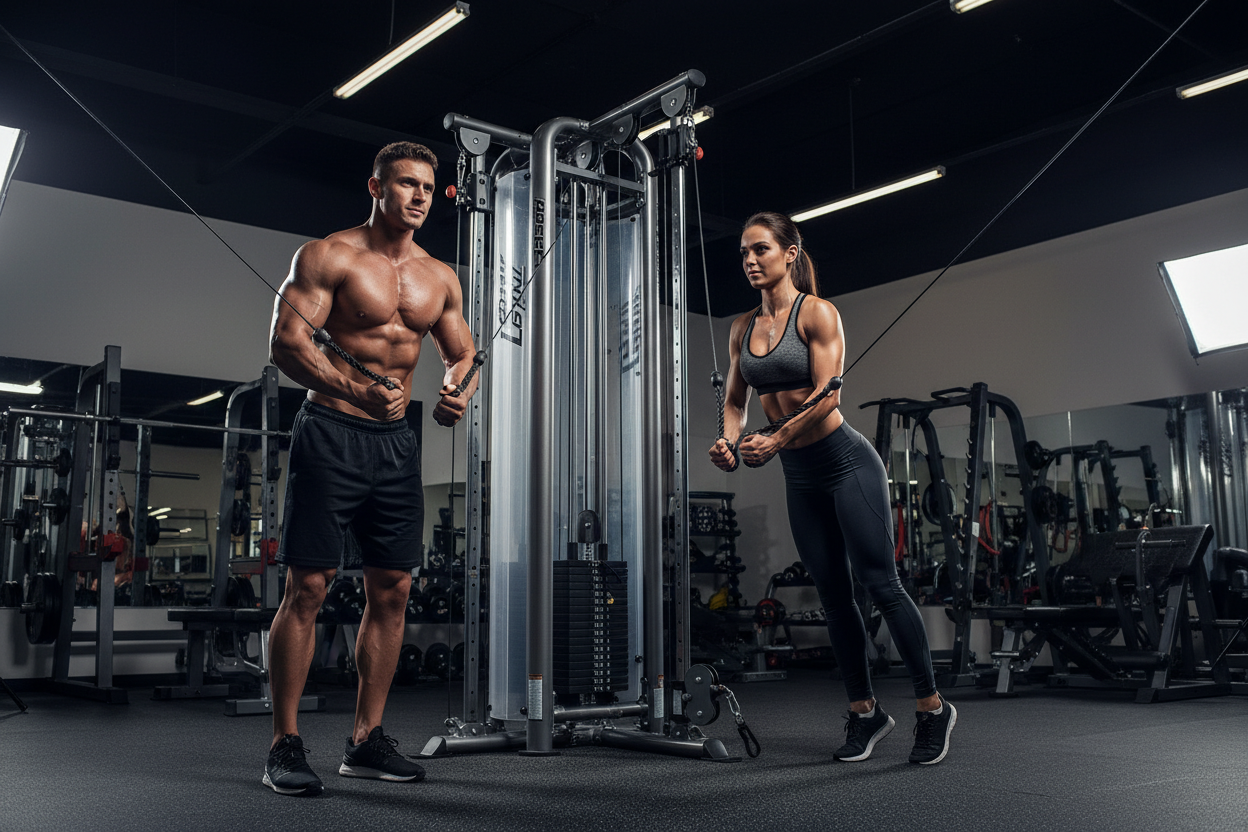
Best Cable Cross Machine Explained: Don't Buy Until You Read This
If you have ever hit a plateau with free weights, you know the frustration. Dumbbells and barbells are phenomenal for building a foundation, but they lack the constant, sweeping tension required to truly isolate and carve out muscle detail. That is exactly where finding the best cable cross machine comes into play.
Whether you are battling limited floor space, trying to replicate that commercial gym pump in your garage, or just looking to train around nagging joint pain, a cable system is incredibly versatile. This guide will help you navigate the noise, decode the specs, and choose the right equipment for your specific home gym goals.
Key Takeaways
- Space is the ultimate dictator: Measure your ceiling height and floor width; most true crossovers require at least an 8-foot width, while compact functional trainers need about 5 feet.
- Pulley ratios matter: A 2:1 ratio means a 100lb stack feels like 50lbs, which is ideal for functional movements, long cable travel, and explosive training.
- Weight stacks vs. plate-loaded: Selectorized weight stacks offer speed and convenience, while plate-loaded systems save money and utilize your existing plates.
- Versatility wins: The best cable crossover machines double as full-body stations, replacing dozens of single-use pieces of equipment.
Decoding the Specs: What Makes a Machine Great?
When shopping for a home gym cable crossover machine, it is easy to get distracted by flashy attachments and accessories. However, the core of any good cable system lies entirely in its engineering and mechanics.
Pulley Ratios Explained
Most home units feature either a 1:1 or 2:1 pulley ratio. A 1:1 ratio provides true weight—pulling 50 pounds feels exactly like 50 pounds. This is great for heavy lat pulldowns or low rows. A 2:1 ratio halves the felt weight but doubles the cable travel distance. If you want to do walking lunges, explosive woodchoppers, or wide chest flyes without the weight stack bottoming out mid-rep, a 2:1 ratio is your best bet.
Selectorized vs. Plate-Loaded
Your budget will largely dictate this choice. Plate-loaded machines utilize your existing Olympic plates, making them highly cost-effective and lighter to ship. However, if you value quick drop-sets and seamless transitions between exercises, investing in a dual weight stack system is a massive upgrade for your daily workout flow.
Fitting It In Your Garage or Basement
A common mistake buyers make is underestimating the footprint of these machines. They are wide, tall, and demand significant working clearance.
Footprint and Ceiling Clearance
A true commercial-style crossover can span over 10 feet in width. For residential spaces, compact functional trainers bridge the gap, usually requiring about 5 to 6 feet of width. Always check the height, too. If your basement has 84-inch ceilings, an 83-inch machine will physically fit, but you will not have the head clearance to do pull-ups on the top crossbar. Leave at least a foot of clearance above the machine for optimal use.
Unlocking Constant Tension
Free weights rely on gravity, meaning the resistance curve drops off at the top or bottom of a movement. Cables provide continuous tension throughout the entire range of motion, forcing your muscles to work harder during the eccentric (lowering) phase.
Beyond Chest Flyes
While they are famous for chest development, these machines are full-body powerhouses. You can transition from triceps pushdowns to glute kickbacks, face pulls, and lateral raises in seconds. By adjusting the carriage height, you can target muscles from specific angles that barbells simply cannot replicate.
From Our Gym: Honest Take
When I finally upgraded my garage setup with a dual-stack cable cross, I thought I was just buying it for chest day. I was completely wrong. The specific model I chose featured aluminum pulleys rather than standard nylon. The difference in smoothness is night and day—there is zero 'catch' or friction during slow, eccentric reps, which makes a huge difference in mind-muscle connection.
However, a word of warning: at 6 foot 2, I found that on narrower functional trainers, I could not get a full stretch on chest flyes without standing three feet in front of the machine. If you have a wide wingspan, prioritize a machine with a wider footprint or adjustable arms. It completely changes the biomechanics of your workout and prevents the weight stack from hitting the top before you finish your rep.
Frequently Asked Questions
Is a cable cross machine worth it for a home gym?
Absolutely, provided you have the space. It replaces dozens of single-use machines and provides the constant tension needed for hypertrophy and joint-friendly isolation work.
How much space do I need for a home gym cable crossover machine?
Plan for a minimum footprint of 6 feet wide by 4 feet deep for compact models, but leave an additional 3 to 4 feet of working space in front of the machine for exercises like lunges and standing flyes.
Can you build muscle with just cables?
Yes. Muscle growth requires mechanical tension, metabolic stress, and progressive overload. Cables excel at providing continuous tension and are often much safer for pushing close to failure than heavy barbells.