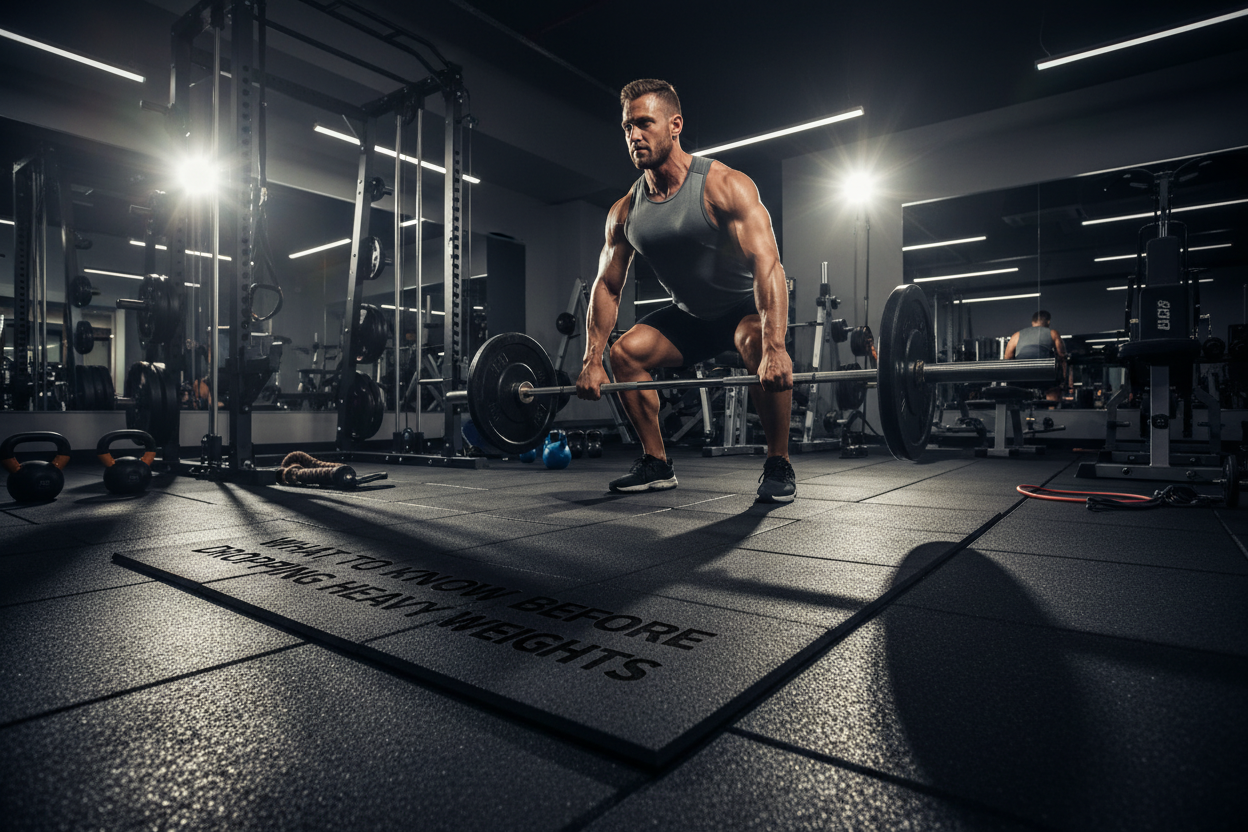
Gym floor mats thick: What to Know Before Dropping Heavy Weights
Nothing ruins a great deadlift PR faster than the sound of cracking concrete beneath your feet. If you are building a sanctuary for strength training in your garage or basement, finding gym floor mats thick enough to absorb serious impact isn't a luxury—it is an absolute necessity.
Whether you are tired of waking up your family during early morning barbell sessions or you simply want to protect your expensive bumper plates from unnecessary wear, upgrading your flooring changes everything. In this guide, we will break down exactly what thickness you need, which materials actually last, and how to avoid the common mistakes people make when outfitting their home gym floors.
Key Takeaways
- Minimum Thickness: Aim for at least 3/4-inch (19mm) thickness if you plan on dropping barbells or heavy dumbbells.
- Material Matters: Vulcanized rubber offers superior durability and less odor compared to recycled crumb rubber.
- Subfloor Protection: Thick mats not only protect your equipment but prevent catastrophic damage to concrete or hardwood subfloors.
- Tile vs. Roll: Interlocking tiles are easier for DIY basement installs, while heavy stall mats are the gold standard for garage gyms.
Choosing the Right Thickness for Your Training Style
The 3/8-Inch to 1/2-Inch Range: General Fitness
If your routine consists mostly of yoga, bodyweight exercises, or light kettlebell work, a half-inch mat will serve you perfectly. It provides enough joint cushioning without feeling squishy, but it won't save your foundation from a dropped 400-pound deadlift.
The 3/4-Inch Standard: Heavy Lifting and Powerlifting
For the serious iron addict, 3/4-inch is the undisputed sweet spot. When people search for gym flooring that can take a beating, this is what they need. It offers the density required to disperse the kinetic energy of dropped Olympic plates, keeping both your foundation and your barbell's bearings intact.
Space Planning and Installation Tips
Garage Gyms vs. Indoor Spare Rooms
Garage floors are typically unsealed concrete, making them the perfect candidate for heavy-duty 4x6 foot horse stall mats. However, these mats weigh upwards of 100 pounds each and can off-gas a strong rubber smell for weeks. If you are setting up in a spare bedroom or a finished basement, consider premium interlocking rubber tiles. They are lighter, easier to cut around baseboards with a utility knife, and usually treated to minimize odors.
Durability and Maintenance Expectations
High-quality rubber flooring should outlast almost every other piece of equipment in your gym. To maintain that fresh, professional look, mop them bi-weekly with a pH-neutral cleaner. Avoid harsh chemicals like bleach or ammonia, which can break down the rubber binders over time and cause the mats to flake or crumble.
From Our Gym: Honest Take
When we first outfitted our testing facility, we tried cutting costs with 1/2-inch EVA foam puzzle mats. It was a disaster. Within two months of heavy squats and deadlifts, the foam compressed permanently, and the interlocking teeth began tearing apart under the torque of our lifters' feet.
We eventually upgraded to 3/4-inch vulcanized rubber stall mats. The difference was night and day. My chalked lifters felt completely planted during heavy pulls—no shifting, no squish. The one minor caveat? Moving 100-pound rubber slabs into place is a brutal workout in itself, and you will definitely want a sharp utility knife and a 2x4 to score and snap them to size. But once they are down, they are virtually indestructible.
Frequently Asked Questions
Are horse stall mats good for a home gym?
Yes, they are highly recommended. They are incredibly dense, usually 3/4-inch thick, and highly affordable compared to branded fitness flooring. Just be prepared to air them out, as they have a strong initial rubber odor.
Do I need plywood under my gym mats?
If you are dropping heavy weights (over 300 lbs) regularly, building a deadlift platform with a layer of plywood underneath your rubber mats adds a crucial second layer of shock absorption to protect a concrete slab from cracking.
How do I stop my gym floor mats from sliding?
If you are using heavy 3/4-inch mats and wall-to-wall installation, their sheer weight will keep them in place. For smaller areas or lighter mats, double-sided carpet tape along the perimeter works exceptionally well.