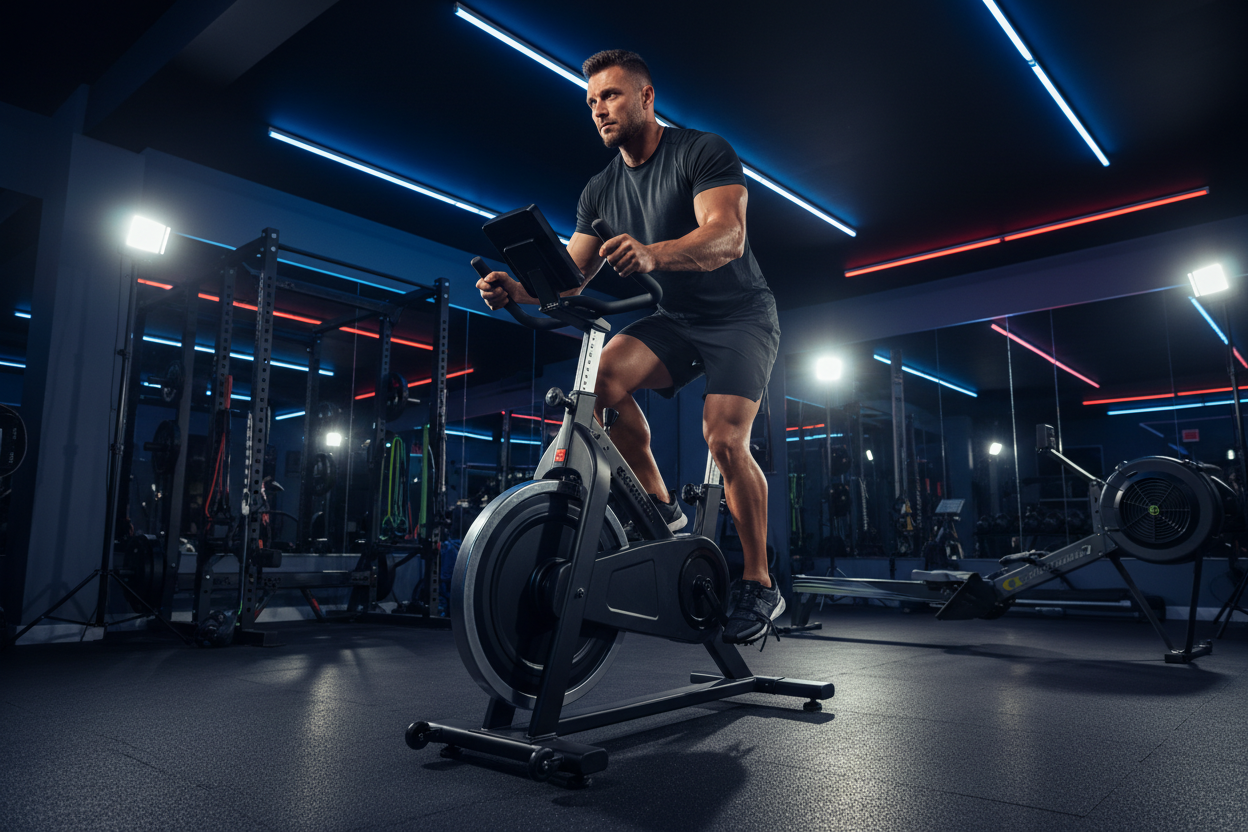
Best Bicycle for Exercise: What to Know Before You Buy
When the weather turns harsh or your joints start protesting high-impact treadmill runs, finding the best bicycle for exercise becomes a top priority for your home gym. Whether you are battling limited floor space, a strict budget, or a stubborn workout plateau, an indoor cycle offers a low-impact, high-yield solution for cardiovascular health.
But with hundreds of models flooding the market—from tech-heavy studio cycles to bare-bones folding frames—the decision can feel overwhelming. This guide will help you cut through the marketing noise, compare essential specs, and determine exactly which bike will help you crush your fitness goals without turning into an expensive clothes hanger.
Key Takeaways
- Identify Your Style: Choose a spin bike for intense studio sessions, an upright bike for casual steady-state, or a recumbent bike for lumbar support.
- Resistance Matters: Magnetic resistance offers a silent, maintenance-free ride compared to traditional friction pads.
- Space Requirements: Most standard indoor cycles require a footprint of at least 4 feet by 2 feet, plus clearance space.
- Drive System: Belt drives are vastly superior to chain drives for home use due to their quiet operation and durability.
Decoding Indoor Cycles: Which Frame Fits You?
Not all stationary bikes are created equal. Finding the best bicycle for workout routines depends entirely on your physical needs and training intensity.
Spin vs. Upright vs. Recumbent
Studio or 'spin' style bikes mimic the geometry of road bikes. They are the best bikes for working out if you want to stand on the pedals, tackle heavy resistance climbs, and follow high-intensity interval training (HIIT). Upright bikes offer a wider, more comfortable saddle and a more relaxed posture, making them ideal for steady-state fat burn. Finally, recumbent bikes place the rider in a reclined position, offering crucial back support and taking pressure off the lower back and knees.
Fitting a Bike Into Your Floor Plan
One of the biggest mistakes buyers make is underestimating the footprint of their new equipment. While an indoor cycle is generally more compact than a commercial treadmill, it still demands dedicated space.
Dimensions and Clearance
If you are setting up in a spare bedroom or an apartment corner, look for a bike with transport wheels and a footprint around 48 inches long by 24 inches wide. You will also want at least 24 inches of clearance on all sides to safely mount and dismount. If you are extremely tight on space, folding upright models exist, but they often sacrifice the stability required for the best bikes for exercise riding.
Maximizing Your Pedal Power
Your new equipment is only as good as the programming you pair it with. The best bicycle for cardio should seamlessly integrate into your broader fitness regimen.
Programming and Versatility
If you are using your bike on active recovery days between heavy lifting sessions, a simple monitor tracking time and distance might be all you need. However, if cycling is your primary cardiovascular outlet, investing in a bike with Bluetooth connectivity to sync with apps like Peloton or Zwift can drastically improve adherence. Mixing long, steady-state rides with short, brutal Tabata sprints ensures you are getting the most out of the best bikes for workout sessions.
From Our Gym: Honest Take
Over the past five years, I have tested dozens of models in my own garage gym, ranging from $200 budget buys to $2,500 commercial studio cycles. Here is my honest takeaway: you do not need a massive touchscreen to get a world-class sweat, but you absolutely should not skimp on the resistance mechanism.
I recently swapped an old friction-pad bike for a model with magnetic resistance and a heavy 40-pound rear flywheel. The difference was night and day. The magnetic system is virtually silent—meaning I can hit a 5 AM ride without waking the rest of the house. One minor caveat: the stock saddles on even the best bicycles for working out are notoriously stiff. I highly recommend swapping the factory seat for a wider, gel-padded alternative or investing in a quality pair of padded cycling shorts. It is a $30 fix that transforms the entire experience.
Frequently Asked Questions
Is an indoor bike better than a treadmill for a home gym?
It depends on your goals and joint health. The best bike for cardio offers a completely impact-free workout, making it safer for aging knees and hips. Bikes also generally take up less space and generate far less noise than a motorized treadmill.
What is a good weight capacity to look for?
For a durable, wobble-free ride, look for a bike with a maximum user weight capacity of at least 275 to 300 pounds. Even if you weigh significantly less, a higher weight capacity indicates a heavier, more structurally sound steel frame.
Do I need special shoes for an exercise bike?
Not necessarily. Most entry-level and mid-tier bikes come with toe-cage pedals that accommodate standard athletic shoes. However, if you are investing in a premium studio cycle, upgrading to clipless pedals (like SPD or Delta) will provide a more secure, efficient pedal stroke.