Best At Home Treadmill With Incline: Read Before Buying
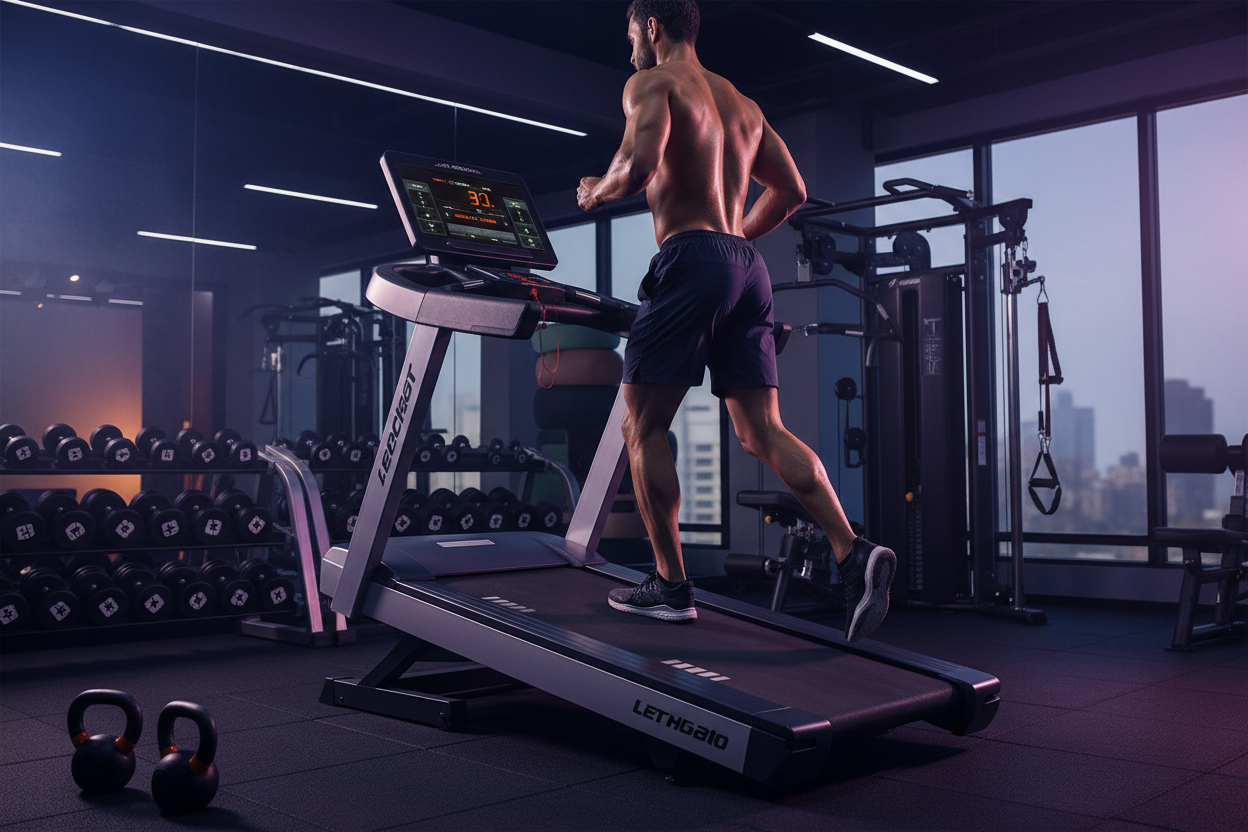
If you have ever tried to maintain a consistent running schedule through a freezing North American winter or a blistering summer, you already know the value of bringing your cardio indoors. But settling for a flat, lifeless walking pad will not cut it if you are serious about building stamina or prepping for outdoor trails. You need the best at home treadmill with incline to truly replicate the demands of the real world and break through your training plateaus.
Choosing the right machine, however, is rarely as simple as clicking 'add to cart'. Between deciphering continuous horsepower (CHP) ratings, measuring ceiling clearances, and avoiding wobbly frames, the buying process can feel like a workout in itself. This guide breaks down exactly what to look for so you can invest with confidence.
Key Takeaways
- Motor Strength: Aim for at least 3.0 CHP if you plan to run frequently on steep inclines.
- Ceiling Clearance: Factor in your height, the deck height, and the maximum incline lift (usually an extra 10-14 inches).
- Belt Dimensions: A 60-inch belt is non-negotiable for taller runners or those with long strides.
- Weight Capacity: Look for a minimum 300 lb weight limit as a baseline indicator of frame durability.
Decoding the Specs: What Actually Matters
When hunting for the best treadmill for home with incline, the spec sheet can be overwhelming. Let's focus on the variables that dictate how the machine actually feels underfoot.
Motor Power and Belt Size
The heart of any treadmill is its motor. If you are regularly hiking at a 12% to 15% grade, the motor is under sustained load. A 2.5 CHP motor might survive light walking, but for serious incline work, you want a 3.0 to 3.5 CHP motor. It ensures smooth transitions when adjusting the grade and prevents that annoying lag when your foot strikes the belt. Pair this with a 20x60-inch running surface so you never feel boxed in during a sprint.
Folding Mechanisms and Footprint
Most home gyms share space with cars, laundry machines, or home offices. A hydraulic folding mechanism (often called a 'soft drop') is a lifesaver. It allows you to reclaim floor space safely without straining your back. Just remember: even folding treadmills have a substantial footprint when in use, typically requiring a space of roughly 3 feet by 6 feet, plus safety clearance behind the deck.
The Training Advantage of Incline
Why insist on an incline feature? Running or walking on a flat indoor surface is mechanically easier than moving outdoors because there is no wind resistance and the belt assists your stride. Adding just a 1% to 2% incline mimics outdoor energy expenditure.
Targeting the Posterior Chain
Cranking the incline up to 10% or more transforms your cardio session into a brutal strength-endurance workout. It shifts the load from your quads to your glutes, hamstrings, and calves. For those looking for the best treadmill with incline for home to maximize calorie burn without the joint impact of sprinting, steep incline walking is the ultimate hack.
From Our Gym: Honest Take
Over the last year, we have tested dozens of models in our facility, ranging from budget picks to premium commercial beasts. Here is what I have learned from logging miles on them: the biggest hidden flaw in mid-tier incline treadmills is deck stability at maximum height.
On one popular mid-range model, the moment I pushed past a 10% incline at 4 MPH, the console wobbled so violently I could not read the screen. At 190 lbs, I need a rock-solid frame. The machines that truly impressed us utilized cross-bar bracing between the uprights. Also, keep an eye on the cushioning. I prefer a slightly firmer deck that mimics road running, but if you have bad knees, you will want a model with adjustable shock absorption. One minor caveat: machines with heavy-duty cushioning often have thicker decks, meaning you will need even more ceiling clearance.
Frequently Asked Questions
How much ceiling height do I need for an incline treadmill?
Add your height, the treadmill's step-up height (usually 8-10 inches), and the maximum incline height (another 10-14 inches). For a 6-foot-tall user, you generally need an 8.5 to 9-foot ceiling to run safely at a full incline without feeling cramped.
What is the best treadmill for home with incline on a budget?
Budget is relative, but in the moderate price range, look for brands that prioritize a strong warranty and a 3.0 CHP motor over fancy touchscreens. You can always use a tablet for programming, but you cannot upgrade a weak motor.
Is a 12% incline enough for a home workout?
Absolutely. While some trainer-focused machines go up to 40%, a 12% to 15% incline provides more than enough resistance to spike your heart rate, build leg strength, and offer a grueling workout for the vast majority of users.