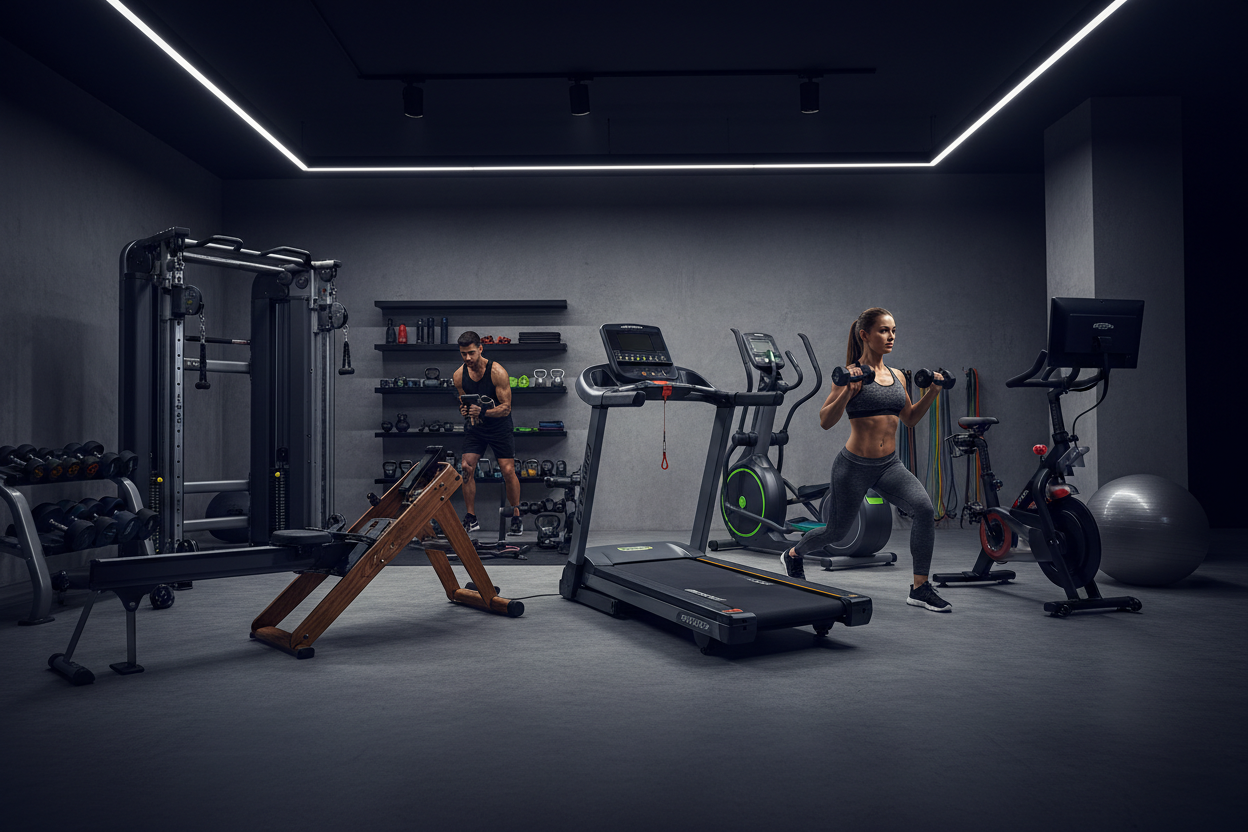
Best At Home Fitness Machines: The Definitive Buyer’s Guide
Most home gyms share a tragic fate: they turn into expensive laundry racks within six months. The problem isn't usually a lack of motivation, but a lack of foresight regarding space, biomechanics, and realistic usage habits. Finding the best at home fitness machines isn't about buying what looks sleek in an advertisement; it is about matching equipment to your specific training style and square footage.
If you are tired of monthly gym fees and waiting for the squat rack, building a sanctuary at home is the logical next step. But before you swipe your credit card, you need a strategy to ensure your investment actually generates sweat equity.
Quick Summary: Choosing Your Gear
- For Maximum Calorie Burn: Air bikes and rowers engage the full body, offering a higher metabolic demand than standard treadmills.
- For Strength in Small Spaces: Adjustable dumbbells and wall-mounted cable pulleys provide commercial-grade resistance without the footprint.
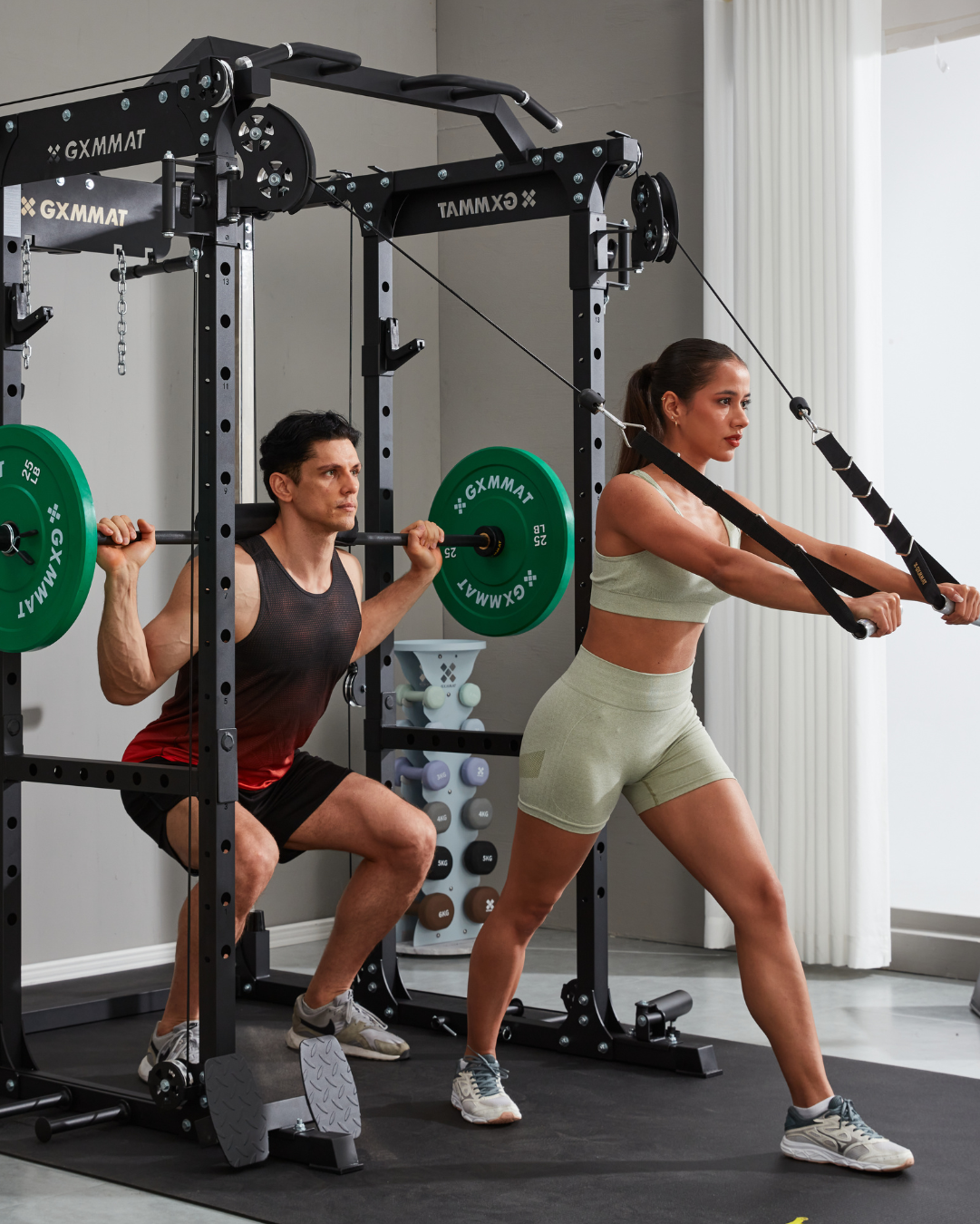
- For Versatility: Functional trainers (cable machines) are often considered the best single piece of equipment for varied movement patterns.
- For Tech Lovers: Smart mirrors and connected bikes are excellent for those who need external motivation and coaching.
Defining Your Home Gym Strategy
The biggest mistake people make is trying to replicate a 20,000-square-foot commercial facility in a 200-square-foot garage. You cannot have it all, so you must choose tools that offer a high return on investment (ROI) regarding space and results.
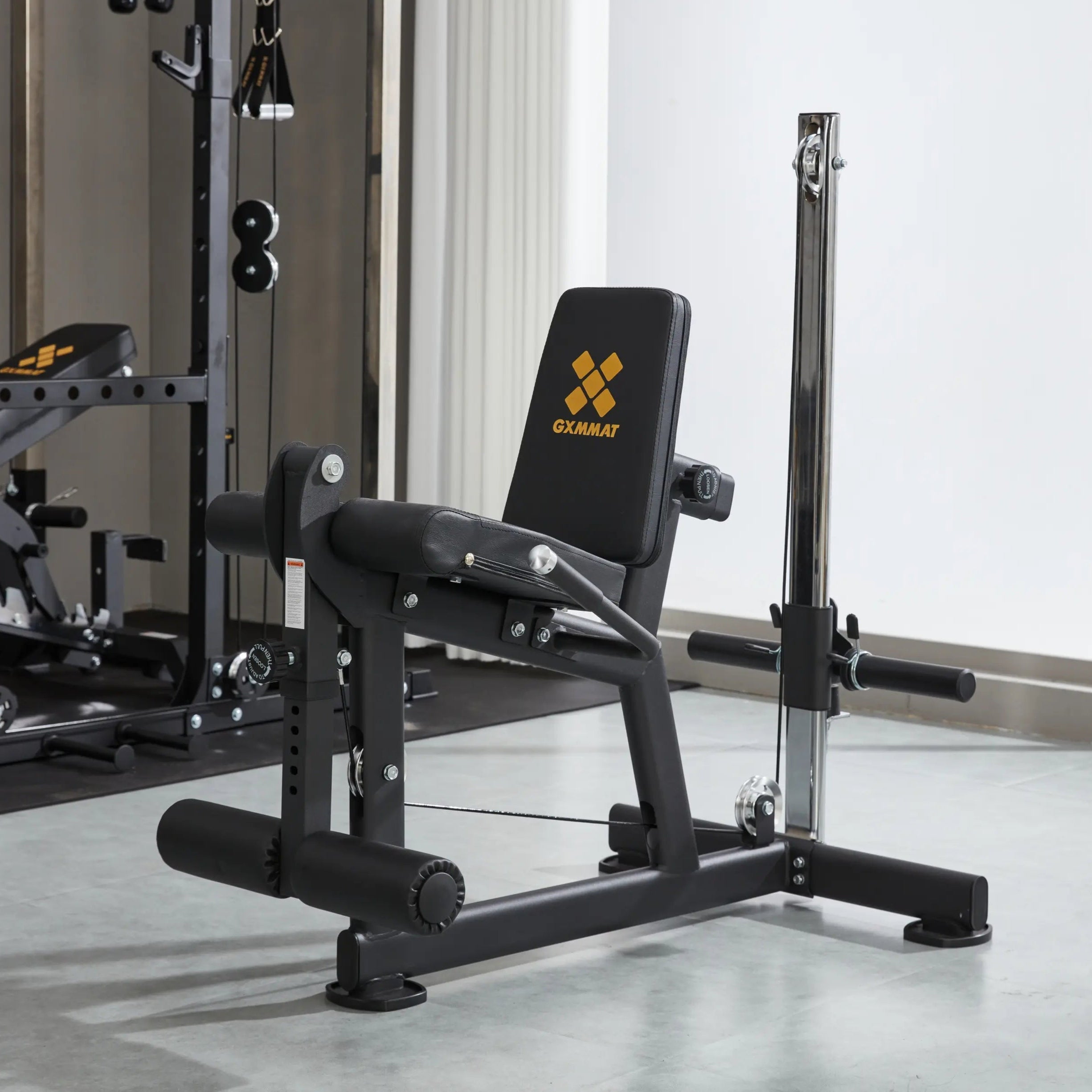
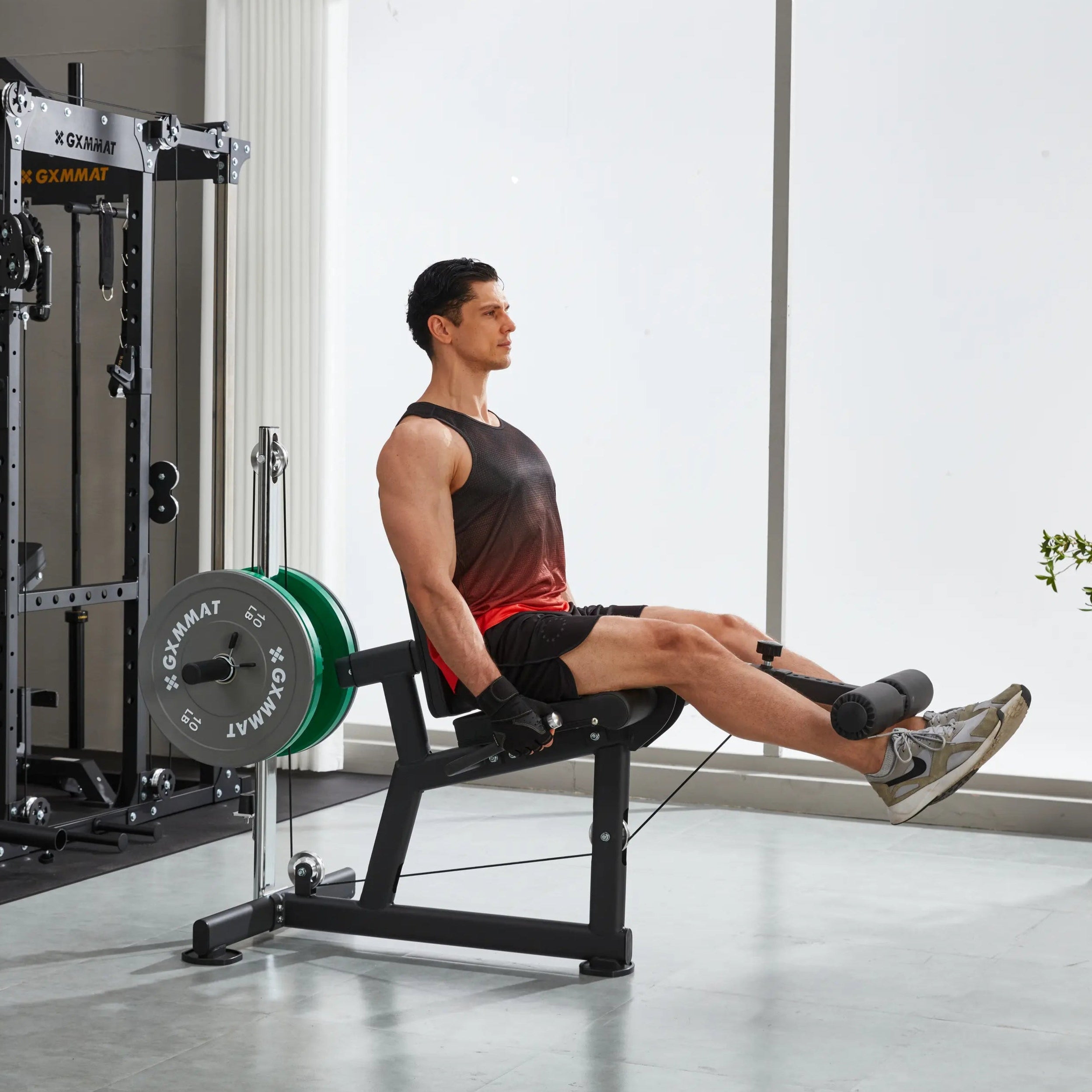
When searching for the best at home workout machine, prioritize versatility. A machine that locks you into a single movement pattern (like a seated leg extension) is a waste of precious floor space unless you have unlimited room. Instead, look for compound movement enablers.
Strength Training Essentials
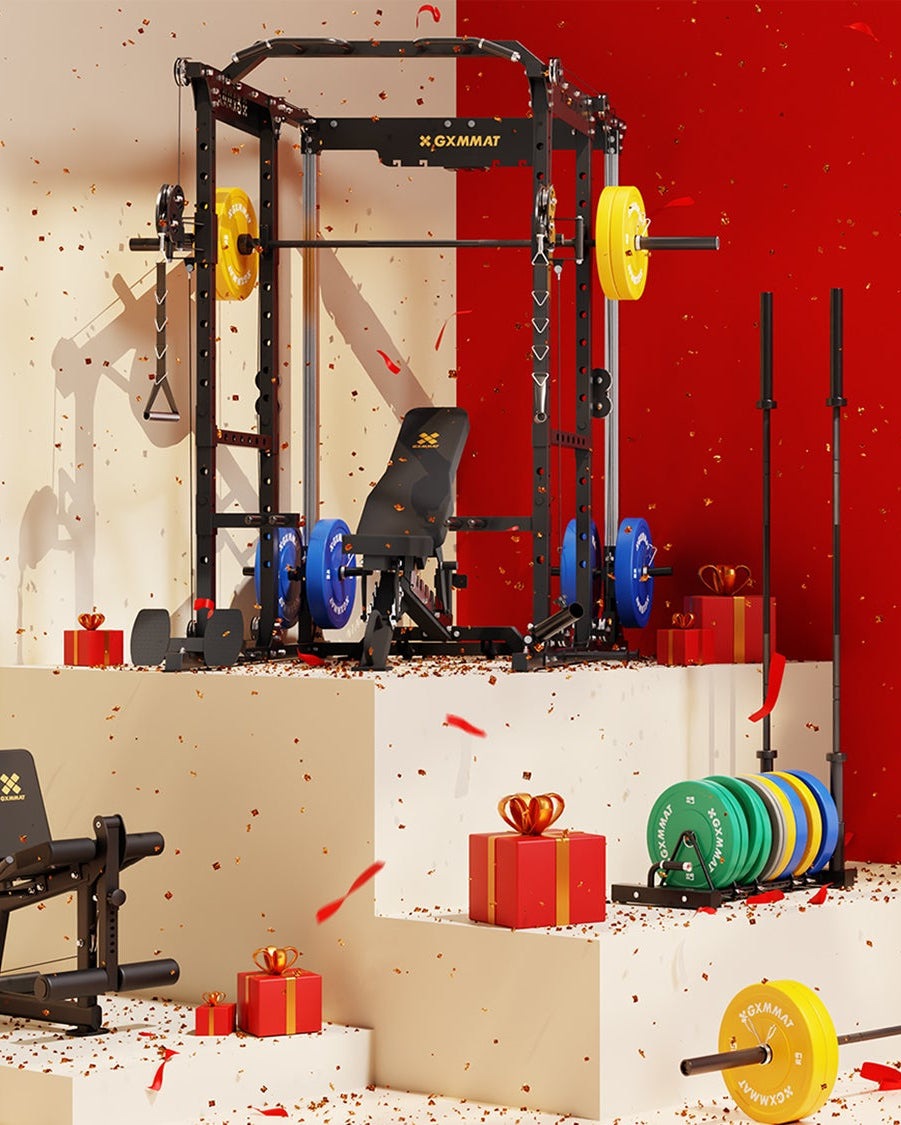
If your goal is hypertrophy or raw strength, resistance is non-negotiable. However, a full power rack might not fit your living room. This is where the best wall-mounted exercise equipment shines. Brands like PRx or rogue folding racks allow you to have a heavy-duty squat stand that folds flush against the wall when not in use.
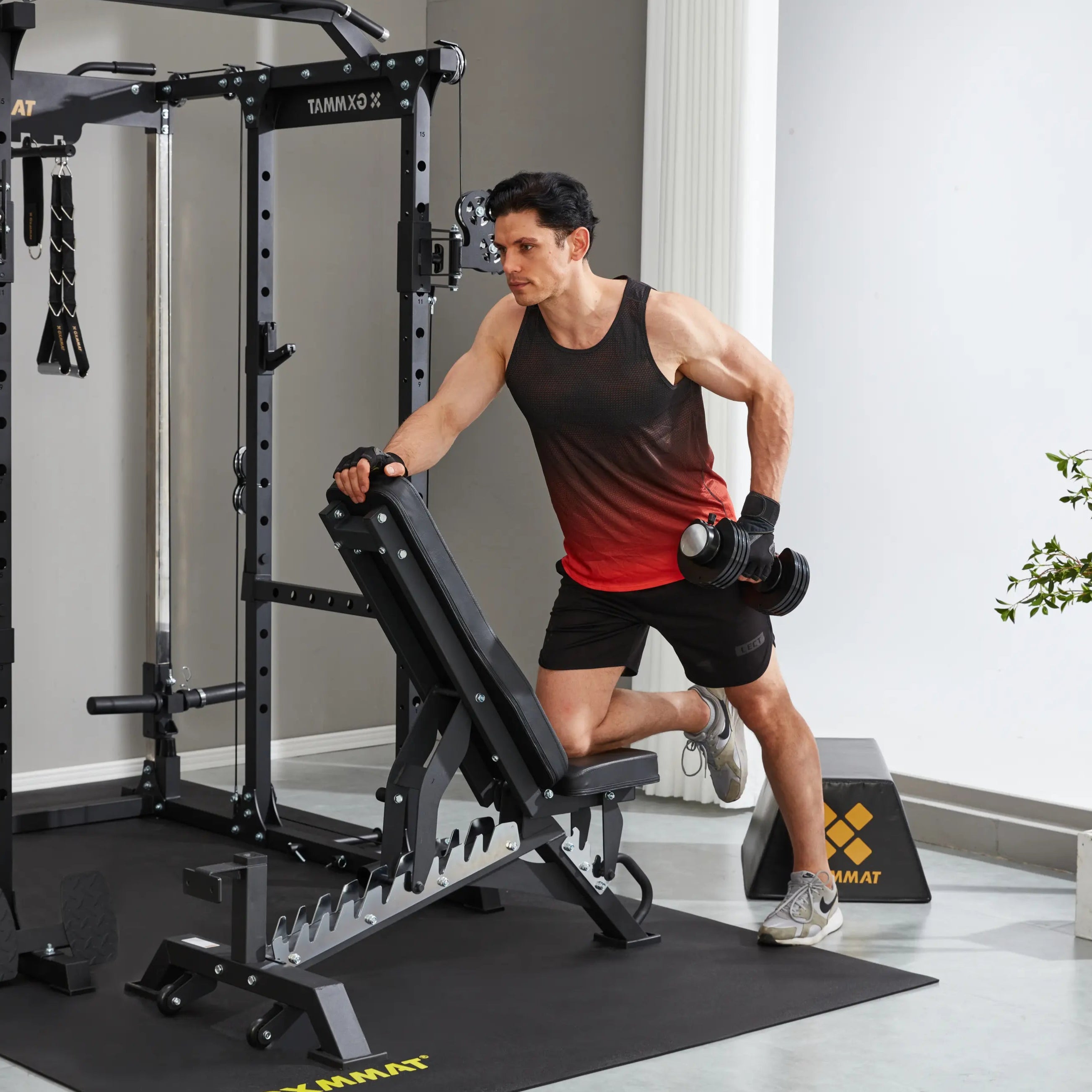
For those without garage space, adjustable dumbbells (like PowerBlock or Nuobell) replace an entire rack of iron. They are mechanically complex but space-efficient. Pair these with an adjustable bench, and you have covered 90% of necessary biomechanical movements.
The Cardio Conundrum
Cardio machines are notorious floor-hogs. When evaluating the best home workout machines for conditioning, consider noise and impact. Treadmills are loud and heavy. If you live in a second-floor apartment, your neighbors will hate you.
Magnetic rowing machines or air bikes are often superior choices. They generate less structural vibration and force you to use your upper and lower body simultaneously. This increases the heart rate faster, meaning you can get an effective workout in less time.
Smart Gyms vs. Analog Iron
We are in the golden age of connected fitness. Devices like Tonal or Peloton offer sleek, wall-mounted interfaces that guide you through workouts. These are fantastic if you lack programming knowledge. The resistance is often digital (electromagnetic), which feels different than gravity-based weights—it is constant and smooth, often with eccentric overloading capabilities.
However, analog equipment never requires a firmware update. A cast-iron kettlebell purchased today will work perfectly in 50 years. If you are on a budget, analog is the safer bet. If you need the accountability of a live coach shouting at you through a screen, the premium for smart tech is justified.
My Training Log: Real Talk
I need to be honest about my personal experience with best at home fitness machines, specifically regarding wall-mounted rigs. On paper, they look perfect. I installed a folding squat rack in my garage last year to save space for my car.
Here is the unpolished truth: installation is a nightmare if your studs aren't perfectly spaced. I spent four hours with a stud finder and a level, sweating more than I do during a deadlift session. Furthermore, when you are racking a heavy barbell (anything over 315 lbs) on a wall-mounted unit, there is a specific, unnerving vibration that travels through the stringers. It holds, but it doesn't have that "dead thud" solidity of a four-post commercial cage.
Also, nobody talks about the floor slope. Garage floors are sloped for drainage. When I squat, I have to face a specific direction, or my hips feel uneven. These are the gritty details the glossy brochures don't mention, but you need to be ready for them.
Conclusion
Building a home gym is a journey, not a one-time purchase. Start with the essentials that fit your space and expand as your consistency proves the need for more. Whether you opt for high-tech smart gyms or gritty garage iron, the best machine is ultimately the one you use consistently.
Frequently Asked Questions
What is the single best at home workout machine for full-body fitness?
If you can only buy one machine, a rowing machine (ergometer) is often cited as the top choice. It works 86% of the muscles in the body, combining cardiovascular endurance with muscular strength, all with low impact on the joints.
Are wall-mounted exercise systems safe?
Yes, provided they are installed correctly into structural studs. The best wall-mounted exercise equipment is rated for high weight loads, but the safety relies entirely on the quality of the installation. If you are not handy, hire a professional.
Can I build muscle with just home machines?
Absolutely. Muscle growth requires progressive overload (increasing tension over time). Whether that tension comes from a commercial gym leg press or a home set of adjustable dumbbells and a pull-up bar, your muscles cannot tell the difference. Consistency and intensity matter more than the location.