Best At Home Exercise Machine: The Definitive Guide for 2024
You have likely spent hours scrolling through reviews, paralyzed by the sheer volume of options. The fitness industry is noisy, flooding your feed with smart mirrors, heavy-duty racks, and cardio equipment that promises the world. But finding the best at home exercise machine isn't about buying the most expensive piece of tech on the market. It is about matching biomechanics to your specific living situation and goals.
If you buy a treadmill but hate running, it becomes an expensive clothes rack. If you buy a rower but have lower back issues, it gathers dust. Let’s cut through the marketing fluff and look at the physiology and logistics behind choosing the right gear for your home sanctuary.
Quick Summary: Choosing Your Gear
If you are looking for the short answer on how to evaluate equipment, here are the core criteria you must consider before purchasing:
- Footprint vs. Verticality: Measure your floor space and ceiling height (especially for ellipticals or pull-up stations).
- Resistance Type: Magnetic is quiet (good for apartments); Air/Fan is loud but offers infinite resistance; Friction pads wear out over time.
- Biomechanics: Does the machine support natural joint movement, or does it force you into a fixed path?
- Connectivity: Do you need a subscription to use the machine, or does it function manually?
The Science of Selection: Impact vs. Output
To determine the top contender for your home, we have to look at metabolic demand and joint impact.
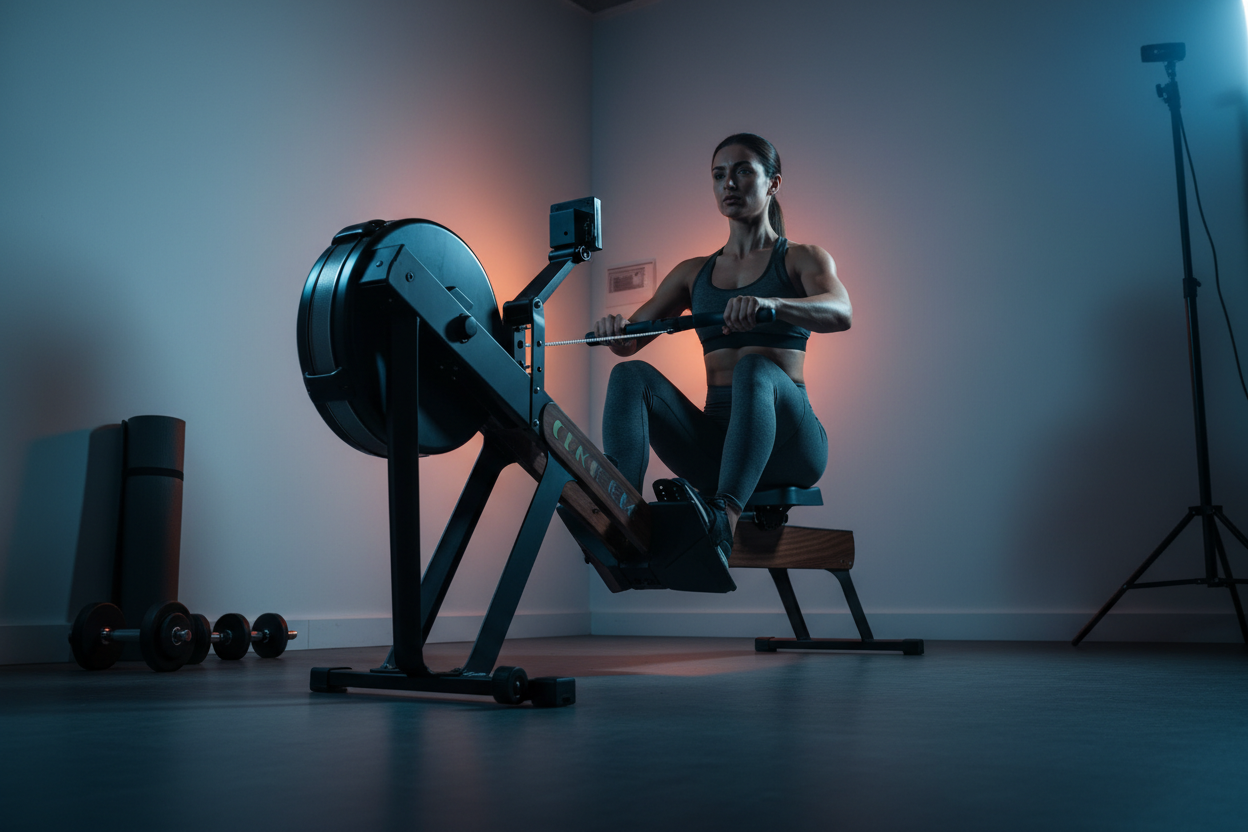
The Case for Rowers (Posterior Chain Focus)
Many physiologists argue the rowing machine is the superior single piece of equipment. Why? Because it engages roughly 86% of your muscle mass. Unlike a stationary bike which is quad-dominant, rowing requires a drive from the legs, stabilization from the core, and a pull from the lats and arms.
However, form is non-negotiable here. If you cannot maintain a neutral spine, a rower will do more harm than good. Look for machines with air resistance for a smoother stroke profile that mimics water.
The Case for Smart Cable Systems (Hypertrophy)
If your goal is building muscle rather than cardiovascular health, a treadmill won't help you. The modern "best" option here is often a digital weight cable system. These use electromagnetic resistance to simulate weight.
The advantage is eccentric loading. Some of these machines can add weight while you are lowering the handle, which creates more muscle damage (the good kind) and growth stimulus than gravity alone. Plus, they fold flat against a wall.
The Case for Air Bikes (Metabolic Conditioning)
Often called "assault" bikes, these are the gold standard for high-intensity interval training (HIIT). The mechanism is simple: the harder you push, the more resistance the fan generates. There is no ceiling to the difficulty.
This is the most efficient machine for burning calories in the shortest timeframe, but it is mentally taxing. It is not a machine you use while watching Netflix.
The "Hidden" Factors: Acoustics and Maintenance
Review sites rarely talk about the noise or the upkeep. If you live in a second-floor apartment, a treadmill is a risky buy. The thud of foot strikes travels through floors easily, regardless of how quiet the motor is.
For shared spaces, magnetic resistance spin bikes or ellipticals are the only truly silent options. They use magnets to create drag on a flywheel, meaning there is no friction noise. Conversely, air rowers and air bikes generate a loud "whoosh" that can disrupt a household.
My Personal Experience with best at home exercise machine
I want to be transparent about my own trial and error here. A few years ago, I bought a highly-rated air bike, convinced it was the solution to my conditioning needs. On paper, it was perfect.
The reality? It was brutal. I distinctly remember the specific, metallic smell of the chain after a 20-minute session and the way the fan blew cold air directly into my throat, leaving me with a dry "track cough" for an hour afterward. Also, nobody mentioned that the cheap monitor would fade out if I stopped pedaling for just ten seconds to catch my breath, resetting my intervals.
It was effective—I got leaner—but it was loud enough that I couldn't use it before 7:00 AM without waking my kids. The "best" machine turned out to be the one I eventually swapped it for: a quieter, magnetic rower that allowed me to train at 5:00 AM without guilt. The specs don't matter if the noise prevents you from using it.
Conclusion
The best home exercise machine is the one that removes friction between you and your workout. If it requires 10 minutes of setup or wakes the neighbors, you won't use it. Prioritize durability and noise levels over touchscreens and Bluetooth speakers. Your future self will thank you for investing in quality mechanics over flashy electronics.
Frequently Asked Questions
What is the best machine for weight loss?
Technically, the machine that allows you to sustain a heart rate in Zone 2 (60-70% max heart rate) for long durations is best. For most, an incline treadmill or elliptical works well because the perceived exertion is lower than an air bike, allowing you to go longer and burn more total calories.
Can I build muscle with just one home machine?
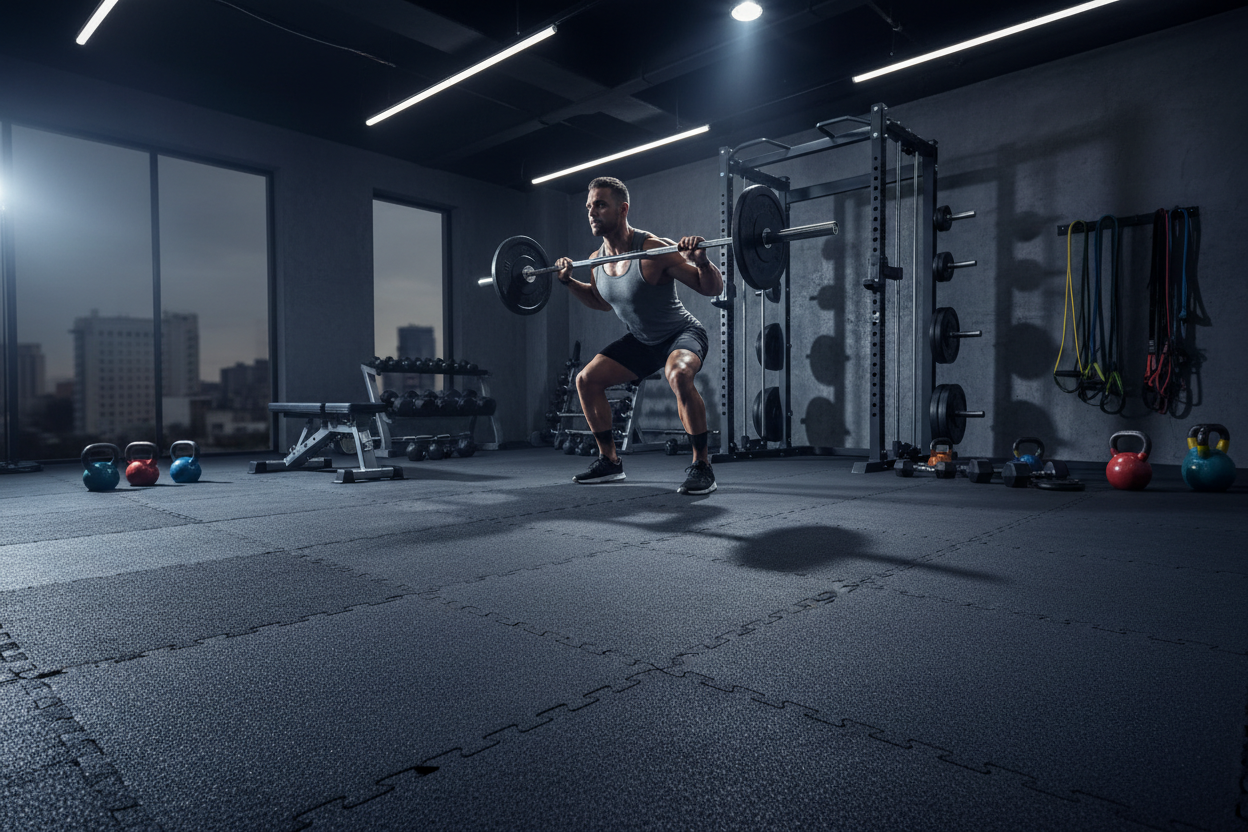
Yes, but you need resistance. A cardio machine (bike/treadmill) will not build significant muscle. You need a home gym system that provides progressive overload, such as a functional trainer, adjustable dumbbells, or a high-quality rowing machine with high damper settings.
How much space do I really need?
Always add 2 feet of clearance around the machine for safety. For a rower, you need a roughly 9x4 foot area. For a treadmill, you need at least 6 feet of clearance behind the belt in case you fall.