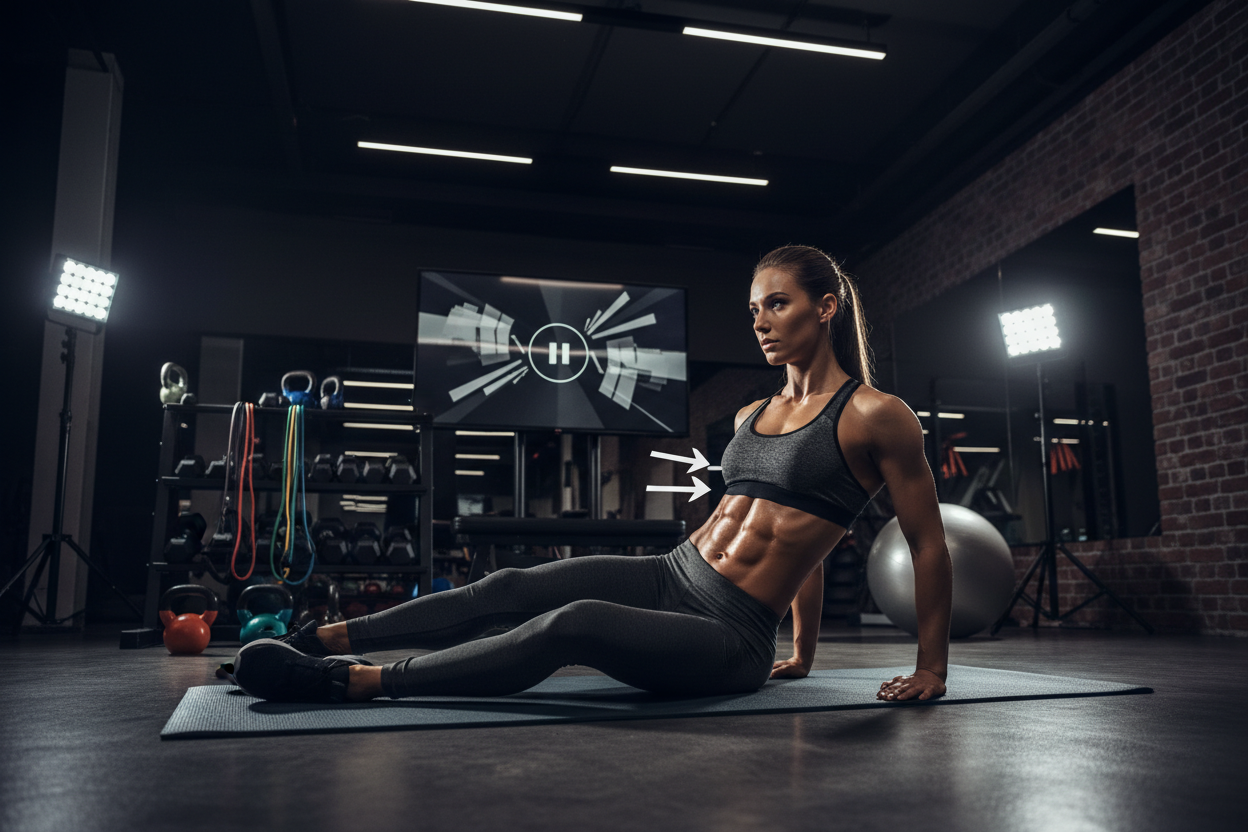
Belly Exercise Video Truths: What Actually Works at Home
Let's be honest: training your core at home can quickly become repetitive and uninspiring. Whether you are working out in a cramped apartment corner or a fully decked-out garage gym, you have probably hit a plateau with standard crunches. That is exactly why finding a high-quality belly exercise video is a game-changer for your routine. But with thousands of options out there, how do you separate the effective programming from the gimmicks?
In this guide, we will break down how to properly integrate digital core routines into your home gym setup, what equipment you actually need to maximize the burn, and how to spot a routine that delivers real functional strength.
Key Takeaways
- Space Requirements: You need at least a 6-foot by 4-foot footprint to comfortably execute most digital core routines.
- Essential Gear: A high-density exercise mat (at least 15mm thick) is non-negotiable for tailbone protection.
- Programming: Look for routines that prioritize anti-rotation and stabilization over endless spinal flexion.
- Integration: Core videos are best utilized as a 10-15 minute finisher after heavy compound lifting.
Setting Up Your Space for Core Workouts
Floor Clearance and Mats
Before you hit play on any exercise for belly video, you need to assess your floor space. Unlike a stationary exercise bike or a power rack, dynamic core work requires multi-directional clearance. We recommend a minimum of 24 square feet. If you are training in a basement or garage with concrete floors, a standard yoga mat won't cut it. You will want a high-density, commercial-grade mat that provides enough cushion for hollow-body holds and V-ups without compromising your stability during plank variations.
Maximizing Your Core Routine
Incorporating Equipment
While many routines are strictly bodyweight, you can drastically increase the intensity of a standard routine by introducing basic home gym equipment. Adding a lightweight medicine ball or a single dumbbell to Russian twists, or hooking a resistance band to your power rack for Pallof presses, turns a basic follow-along session into advanced strength training. The goal isn't just to sweat; it is to build functional core strength that translates to your heavy squats and deadlifts.
Filtering the Noise
When searching for youtube belly exercises, the sheer volume of content is overwhelming. Avoid videos that promise spot reduction or 'six-pack in six days' results. Instead, look for certified trainers who emphasize proper breathing mechanics, pelvic tilt control, and controlled tempos. A good instructor will cue you on engaging your transverse abdominis rather than just repping out crunches.
From Our Gym: Honest Take
I have tested dozens of digital core programs in my own garage gym over the last year. The biggest mistake I made early on was trying to follow along on a tiny phone screen while balancing on a cheap 5mm mat. My tailbone was bruised, and my neck hurt from straining to see the timer. Once I cast the video to a cheap TV mounted on my garage wall and upgraded to a 1.5-inch thick tri-fold gymnastics mat, everything changed. I could actually focus on the deep core engagement the instructor was cueing. One minor caveat: sometimes these videos move too fast between transitions. Don't be afraid to hit pause if you need to reset your form—your lower back will thank you.
Frequently Asked Questions
Do I need equipment to follow a core workout at home?
No, the vast majority of digital core routines are designed for bodyweight only. However, having a premium, thick exercise mat is highly recommended to protect your spine and tailbone on hard floors.
How much space do I need to follow along?
You should clear an area of at least 6 feet by 4 feet. This ensures you have enough room for full-body extensions, side planks, and sweeping leg movements without kicking your other gym equipment.
How often should I do these routines?
For optimal results without overtraining, aim for 3 to 4 sessions per week. Treating a 10-minute video as a finisher after your main strength training or cardio session is a highly effective programming strategy.