Beginner Full Body Workout at Gym: The Single-Station Guide
I still remember the first time I walked onto a commercial gym floor at 5:30 PM. The clanking of iron, the grunts from the squat racks, and the sheer volume of people hoarding five different machines at once was enough to make me turn right back out the door. As a personal trainer, I see this exact panic in my clients' eyes every week. You want to get stronger, but navigating the maze of cables and benches feels like a workout in itself.
That is exactly why I developed the single-station method. You don't need to bounce between seven different machines to get an effective beginner full body workout at gym. You just need to claim one tiny piece of real estate, grab a couple of dumbbells, and get to work.
Quick Takeaways
- Claim a 4x6 foot space with a mat and stay there for your entire session.
- Grab two pairs of dumbbells (one light, one medium) to minimize wandering.
- Focus on four foundational movement patterns: squat, push, pull, and core.
- Keep rep ranges between 8 to 12 to build a solid strength base.
- Ignore the complex cable machines until you build your confidence.
Why the Commercial Gym Floor Feels Intimidating
Let's be honest about the typical gym layout. It is usually designed for bodybuilders who want to isolate every single muscle group, not for someone trying to execute an efficient novice full body workout. When you walk in, you are immediately hit with a chaotic mix of hyper-specific machines, confusing traffic patterns, and the unspoken rules of gym etiquette.
The anxiety is real, and it is completely justified. If your plan requires you to use the leg press, then walk across the room to the chest press, and then fight for a cable station, you are setting yourself up for frustration. Half your time is spent waiting or awkwardly hovering near someone who is texting on the machine you need.
To survive and thrive, we need to eliminate the wandering. By consolidating your movements into one dedicated spot, you remove the social pressure of asking, 'Are you using this?' You can actually focus on your form, your breathing, and the muscle contractions. This approach shifts your mental energy from surviving the crowd to actually executing the movements correctly.
The Single-Station Strategy Explained
The single-station strategy is all about footprint management. When you walk into the facility, your only goal is to find a quiet 4x6 foot corner. This could be in the stretching area, an empty group fitness studio, or just a patch of floor near the wall.
Once you find your spot, you are going to grab exactly what you need for the next 45 minutes: a mat and two pairs of dumbbells. I usually recommend my clients grab a 10-pound pair and a 15-pound pair to start. You bring them to your corner, and that is it. You've officially claimed your territory for an easy beginner full body workout.
If you are still feeling nervous about doing this in public, I highly recommend practicing the setup at home first. You can lay out a large exercise mat in your living room, set up your dumbbells, and run through the motions. Getting comfortable with claiming your space at home translates directly to walking onto the commercial gym floor with authority. You aren't taking up too much room, and you aren't hoarding equipment. You are simply being efficient.
Your Beginner Full Body Workout at Gym: The Routine
Now that you have your designated island of sanity, it is time to work. This full body workout plan beginner routine is built entirely around dumbbells and your own body weight. We are going to hit all the major movement patterns: a squat, a horizontal push, a horizontal pull, and core stabilization.
Perform these exercises in order. Do 3 sets of 8 to 12 repetitions for each movement, resting for 60 to 90 seconds between sets. If you can easily complete 12 reps with perfect form, it is time to grab a slightly heavier dumbbell for your next session.
Lower Body: The Goblet Squat
The goblet squat is the undisputed anchor of a solid full body beginner workout gym session. Instead of balancing a heavy barbell on your spine, you hold a single dumbbell vertically against your chest, cupping the top end like a heavy goblet.
This front-loaded position naturally forces your torso to stay upright. If you lean too far forward, you will drop the weight. Stand with your feet shoulder-width apart, toes pointed slightly outward. Push your hips back and down as if you are sitting into a low chair. Aim to get your thighs parallel to the floor, driving through your heels to stand back up. It hits the quads, glutes, and core simultaneously without requiring a massive squat rack.
Upper Body Push: The Dumbbell Floor Press
Bench presses are notorious for causing gym anxiety. You have to wait for a bench, adjust the rack height, and worry about getting trapped under the bar. The dumbbell floor press completely eliminates those issues, making it ideal for a full body workout for beginners at the gym.
Lie flat on your mat with your knees bent and feet flat on the floor. Hold your dumbbells with your elbows resting on the mat at a 45-degree angle from your torso. Press the weights straight up over your chest until your arms are fully extended, then slowly lower them until your triceps gently tap the floor. The floor provides a built-in safety mechanism, preventing your shoulders from extending too far back and keeping the movement strictly focused on your chest and triceps.
Upper Body Pull: The Supported Dumbbell Row
To balance out the pressing, we need to pull. Cable rows are great, but the machines are always occupied. The supported dumbbell row is your single-station solution.
Take a staggered stance—one foot forward, one foot back. Hinge at your hips and rest your non-working forearm on your front thigh for support. Keep your back flat and parallel to the floor. Holding a dumbbell in your free hand, pull your elbow up toward the ceiling, keeping it close to your ribcage. Squeeze your shoulder blade at the top, then lower the weight with control. This builds the lats and rhomboids, improving your posture without needing to wait 20 minutes for the seated row machine to open up.
Core Stability: The Dead Bug
Crunches are outdated and can wreck your neck. The dead bug is a far superior choice to finish off the best full body workout routine for beginners. It teaches core stability while protecting your lower back.
Lie on your back with your arms extended toward the ceiling and your knees bent at 90 degrees (shins parallel to the floor). Flatten your lower back aggressively into the mat—imagine crushing a grape under your spine. Slowly extend your right arm backward and your left leg forward until they hover just above the floor. Return to the starting position and switch sides. The moment your lower back arches off the mat, you have gone too far.
Transitioning to Equipment When You're Ready
After three or four weeks of executing this single-station routine, you will notice a shift. The weights will feel lighter, and more importantly, the environment will feel less hostile. You've proven to yourself that you belong there. The one honest downside to the single-station dumbbell method is that eventually, your leg strength will outpace your grip strength. Holding a 70-pound dumbbell at your chest for goblet squats gets awkward.
Once you have that foundational confidence, you can start swapping out one dumbbell movement for a machine equivalent. Maybe you trade the goblet squat for the leg press, or the floor press for a seated chest press. Do it one exercise at a time so you don't overwhelm yourself.
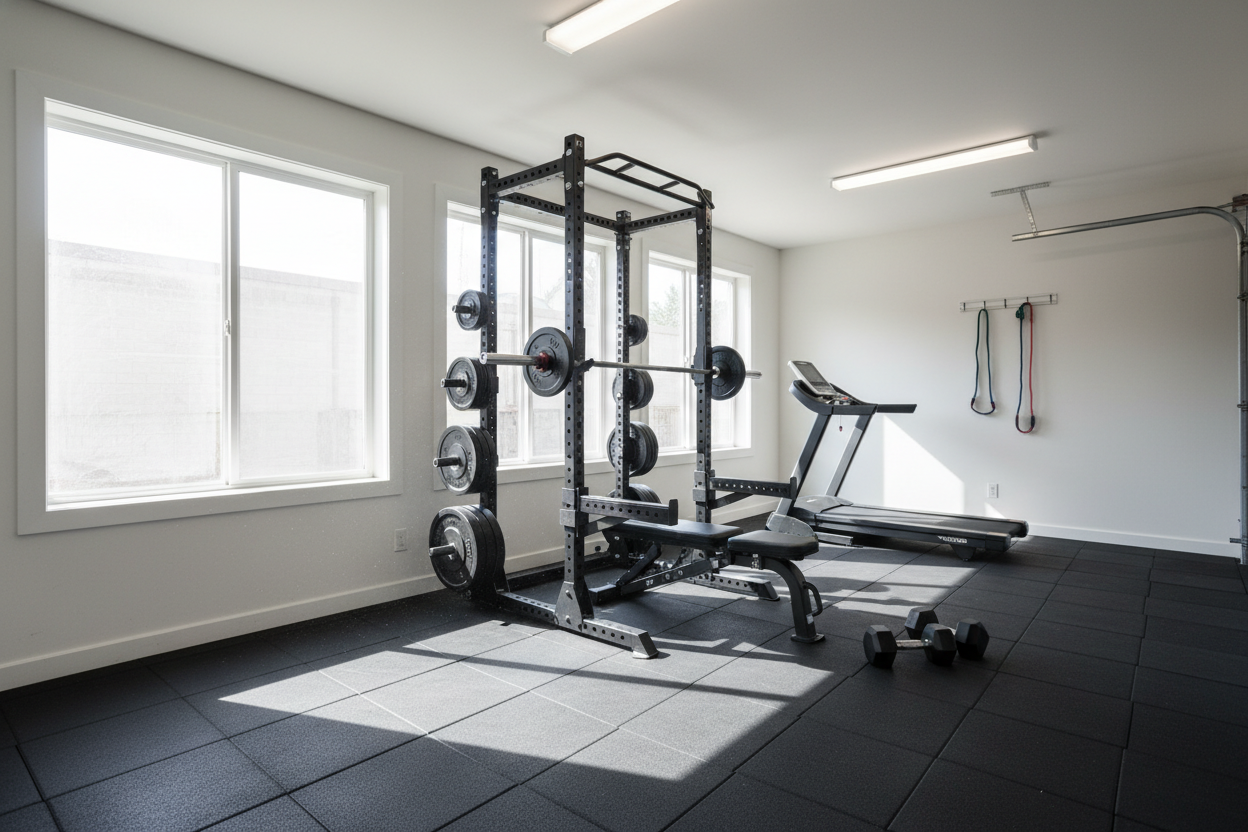
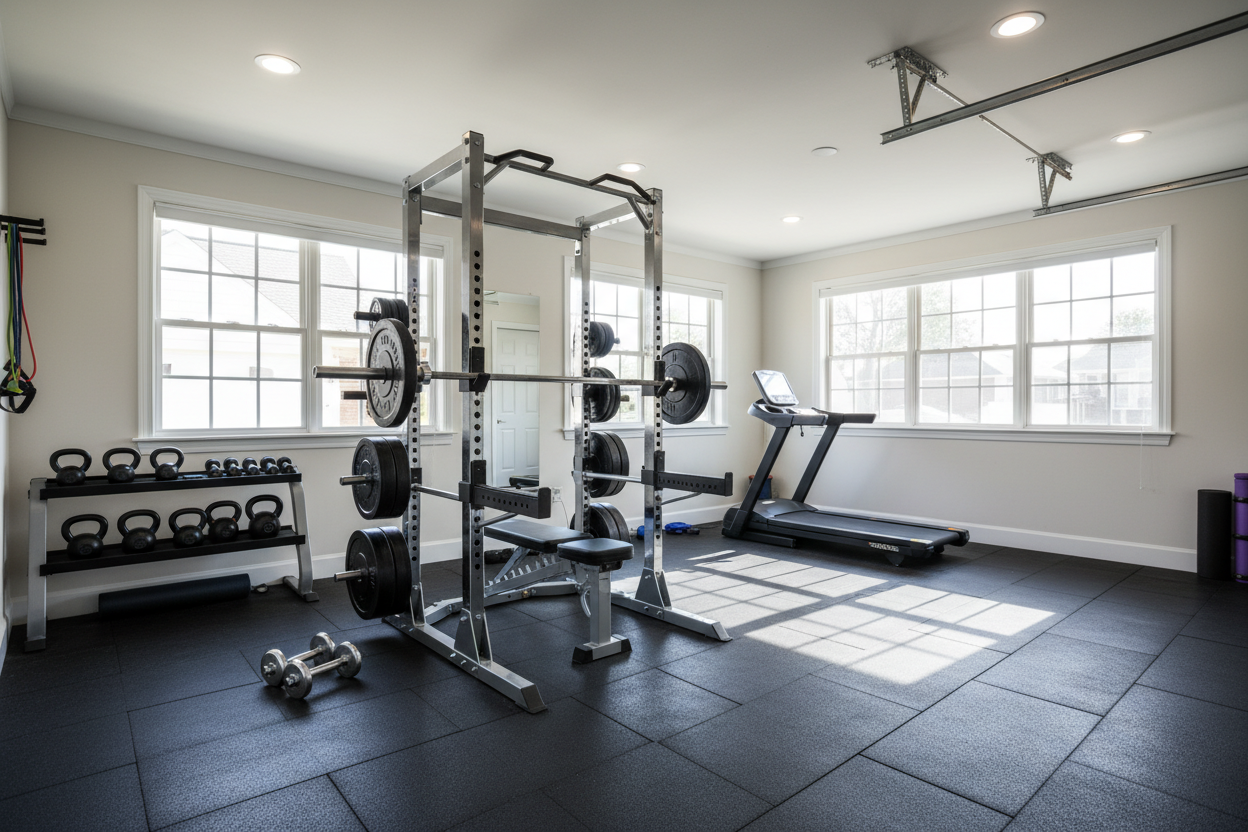
However, I've had clients who realize they simply hate the commercial gym environment, no matter how confident they get. If the crowds and the commute remain a massive barrier, setting up your own space is a highly effective alternative. Investing in full body workout machines for your garage or spare room can completely eliminate the anxiety while allowing you to lift heavy and safely.
Consistency Over Complexity
The fitness industry profits off making things seem complicated. You don't need a six-day split involving bands, chains, and balancing acts. You just need to show up, claim your 4x6 square of flooring, and move some iron.
Mastering these four basic movements—the squat, the press, the row, and the core stabilization—will yield better results than half-heartedly wandering through a dozen different machines. Stick to this routine for a month. Track your weights, celebrate the small strength gains, and watch your gym anxiety melt away. If you find yourself wanting to expand your exercise library later, you can always check out a comprehensive workout hub for fresh ideas. For now, keep it simple, stay in your corner, and put in the work.
Frequently Asked Questions
How long should this beginner workout take?
If you stick to the 60 to 90-second rest periods, you can easily complete this entire routine in 35 to 40 minutes, including a brief warm-up.
Can I do this routine every day?
No, your muscles need time to recover and rebuild. I recommend performing this full body routine three days a week, with at least one full rest day between sessions.
What if the gym doesn't have the dumbbells I need?
If the 15-pounders are taken, don't panic. Grab the 12s and do a few extra reps, or grab the 17.5s and do a few less. The exact weight matters less than the effort you put into the set.