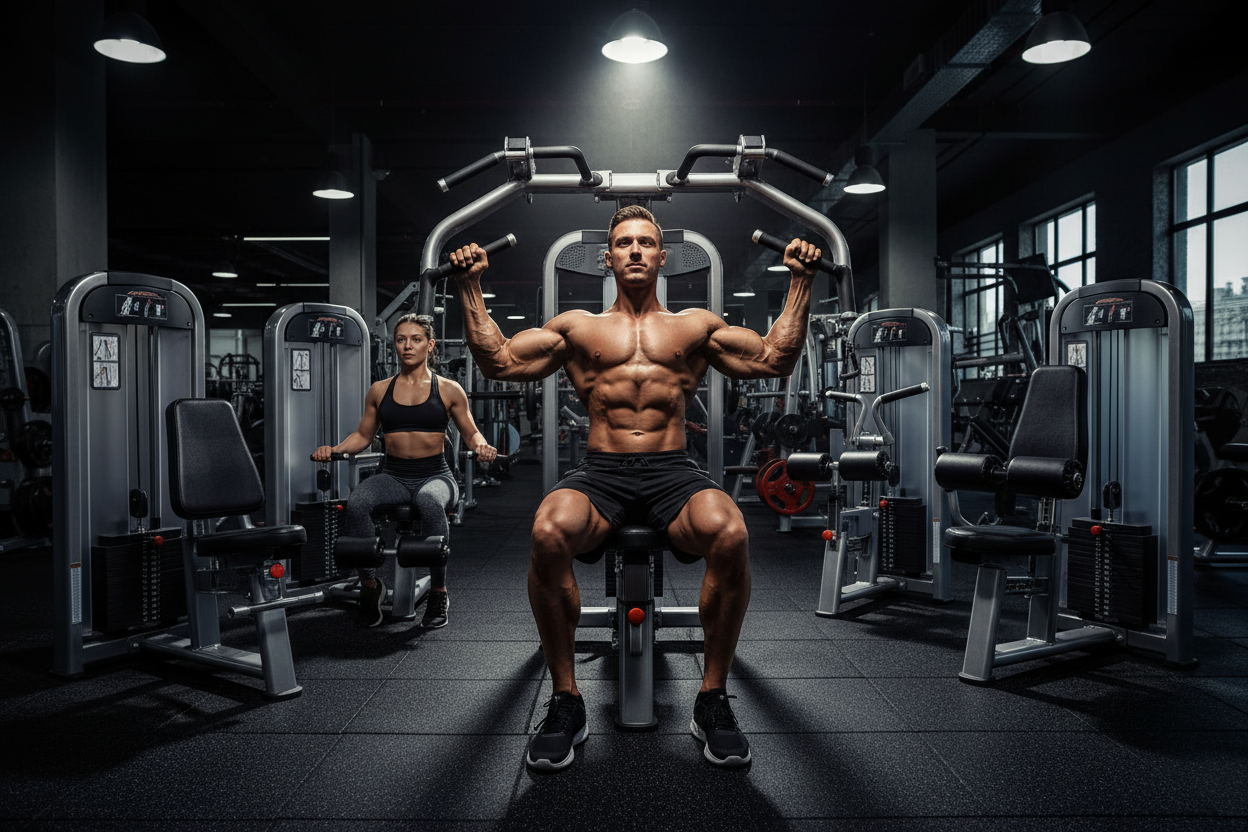
Back Workout Machines Explained: What to Know Before You Buy
Building a thick, wide back at home can feel like a daunting task when you are limited to a barbell and a few dumbbells. While free weights are fantastic, eventually, you might hit a plateau or crave the continuous tension that only dedicated back workout machines can provide.
If you are trying to recreate that commercial facility feel in your garage or basement, finding the right home back workout equipment is crucial. This guide will help you navigate the sea of pulleys, levers, and benches to find the perfect setup for your goals, space, and budget.
Key Takeaways
- Versatility wins: Look for combo units like lat pulldown/low row hybrids to maximize floor space without sacrificing exercise variety.
- Plate-loaded vs. selectorized: Plate-loaded machines save money and weight capacity, while selectorized weight stacks offer faster drop sets and convenience.
- Cable quality matters: Nylon-coated aircraft cables prevent the jerky, sticking feeling common in cheap back machines at gym settings.
- Measure your ceiling: Always check height clearance, especially for overhead lat pulldown setups in basement gyms.
Choosing the Right Equipment for Your Space
Garage Gyms vs. Spare Bedrooms
When looking at gym equipment for back workouts, your available footprint dictates everything. If you have a two-car garage, a dedicated selectorized lat pulldown or a standalone T-bar row machine might fit easily. However, if you are working with a spare bedroom, you need to be highly strategic.
For tighter spaces, consider a high-low cable pulley tower or an attachment that fits onto your existing power rack. These compact options allow you to perform a massive variety of back exercises using machines without sacrificing precious square footage or turning your room into a cramped storage closet.
Targeting the Right Muscles
Lats, Rhomboids, and Traps
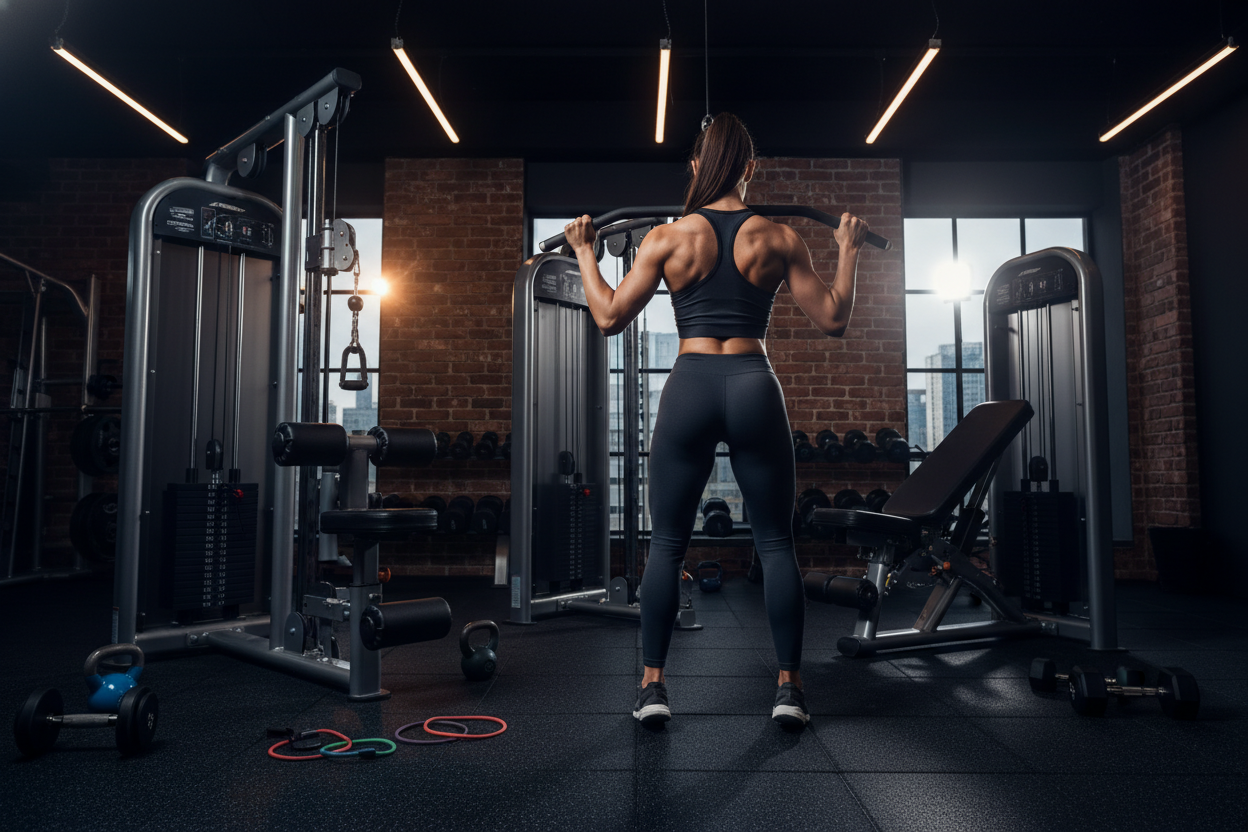
The best back exercises machine setups allow you to hit your musculature from multiple angles. Vertical pulls (like lat pulldowns) are essential for building width, while horizontal pulls (like seated cable rows or chest-supported rows) build thickness in the mid-back.
If your goal is overall posterior chain development, investing in back strengthening machines like a 45-degree hyperextension bench is also incredibly valuable. This ensures you aren't just building the show muscles, but also fortifying your lower back and erectors to support heavy compound lifts.
Maximizing Your Investment
What Makes the Best Back Machine?
Whether you are looking for the best gym machine for back development or just a simple pulley system, focus on the build quality. Look for 11-gauge steel frames, aluminum pulleys (which operate smoother than plastic), and high-density foam roller pads that lock your thighs in tightly during heavy pulls.
Don't be swayed by flashy gimmicks. The best exercise machines for back training are usually the simplest: a well-built chest-supported row or a heavy-duty lat pulldown seat. These timeless designs have been the backbone of back day machines for decades because they simply work.
From Our Gym: Honest Take
We recently tested a popular plate-loaded lat pulldown and low row combo unit in our 400-square-foot facility. At 6 foot 2, I often struggle with getting a full stretch on compact home gym equipment for back exercises. However, I noticed that by removing the seat pad and sitting directly on the floor for lat pulldowns, I gained an extra six inches of cable travel—enough to get a deep, agonizing stretch on my lats.
One caveat: the stock carabiners on most budget-friendly workout back machine options are usually flimsy. I highly recommend swapping them out for climbing-grade carabiners. It costs about ten bucks but makes swapping out your wide grip bar for a close-grip V-handle infinitely smoother and safer.
Frequently Asked Questions
Are machines for back muscles better than free weights?
Neither is strictly better. Free weights are excellent for overall strength and core stabilization. However, an exercise machine for back muscles provides constant tension and allows you to isolate the lats and rhomboids without your lower back fatiguing first.
How much space do I need for a gym back workout machine?
A standard standalone lat pulldown requires about a 4x5 foot footprint and at least 84 inches of ceiling clearance. If you are short on space, rack-attached cable systems or a simple chest-supported row bench are much more space-efficient fitness equipment for back training.
What is the best machine for back thickness?
For pure back thickness, horizontal pulling is key. A chest-supported T-bar row or a seated cable row is widely considered the best back workout machine for targeting the rhomboids, mid-traps, and rear delts while minimizing lower back strain.